
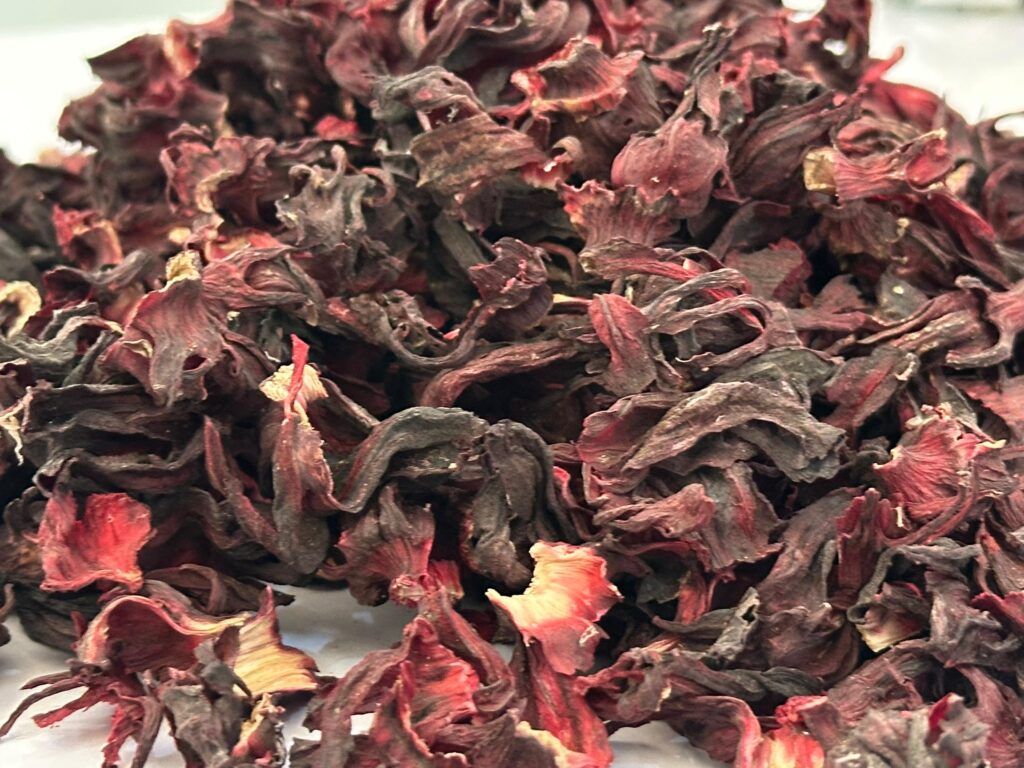
Overview of the Hibiscus Flower
The hibiscus flower is a stunning tropical bloom admired worldwide for its bold appearance and wide range of uses. Beyond its beauty, hibiscus is well known for its medicinal properties, health benefits, culinary uses, and cultural importance. From herbal teas to natural skincare and ornamental gardening, the hibiscus flower has earned a special place in both traditional and modern lifestyles.
What Is Hibiscus?
Hibiscus is a genus of flowering plants in the Malvaceae family, consisting of hundreds of species. These plants thrive in warm climates and are especially popular in Asia, Africa, the Caribbean, and the Pacific Islands.
Commonly known species include:
- Hibiscus rosa-sinensis – Popular ornamental variety
- Hibiscus sabdariffa – Used for hibiscus tea and herbal medicine
- Hibiscus syriacus – Hardy hibiscus grown in cooler climates
Hibiscus Flower Meaning and Symbolism
The hibiscus flower carries different meanings across cultures:
- Beauty and femininity
- Love and passion
- Delicate strength
- Hospitality and respect
In many countries, hibiscus flowers are used in religious rituals, festivals, and traditional ceremonies. It is also the national flower of Nigeria, symbolizing unity and life.
Health Benefits of Hibiscus Flower
Hibiscus is highly valued in natural medicine and wellness practices.
1. Helps Regulate Blood Pressure
Hibiscus tea is widely consumed to help maintain healthy blood pressure levels, making it beneficial for heart health.
2. Packed With Antioxidants
The flower contains powerful antioxidants that help protect the body from oxidative damage and support overall wellness.
3. Supports Liver Health
Hibiscus may help improve liver function by assisting the body in detoxification.
4. Aids Weight Management
Hibiscus extracts are often used in weight-management supplements due to their potential effect on metabolism and fat absorption.
5. Strengthens Immunity
Rich in vitamin C and natural compounds, hibiscus supports the immune system and helps fight common illnesses.
Popular Uses of Hibiscus Flower
Hibiscus Tea
One of the most common uses, hibiscus tea has a refreshing tart flavor and can be enjoyed hot or cold. It is caffeine-free and widely used for wellness.
Hair and Skin Care
Hibiscus is a key ingredient in natural beauty products because it:
- Promotes hair growth
- Reduces dandruff
- Improves skin elasticity
- Helps slow signs of aging
Culinary Applications
Hibiscus petals are used to make:
- Herbal drinks
- Jams and sauces
- Desserts and candies
They also serve as a natural food coloring.
Gardening and Landscaping
Hibiscus plants are popular in:
- Home gardens
- Outdoor landscaping
- Indoor decorative pots
Their large, colorful blooms attract butterflies and pollinators.
Types of Hibiscus Flowers
There are several types of hibiscus flowers, including:
- Tropical Hibiscus: Bright colors, warm climates
- Hardy Hibiscus: Large blooms, cold tolerant
- Roselle Hibiscus: Used mainly for tea and medicine
Each type has specific care requirements and uses.
How to Grow Hibiscus Plants Successfully
To grow healthy hibiscus flowers:
- Sunlight: Full sunlight for best blooming
- Soil: Moist, well-drained soil
- Watering: Regular watering, avoid waterlogging
- Fertilizer: Balanced fertilizer during growth season
- Pruning: Encourages new growth and more flowers
With proper care, hibiscus plants bloom continuously during warm seasons.
Conclusion
The hibiscus flower is a powerful combination of beauty, health, and cultural heritage. Whether used for tea, skincare, gardening, or decoration, hibiscus offers numerous benefits that make it a valuable natural resource. Its vibrant colors and healing properties continue to make it one of the most loved flowers in the world.