
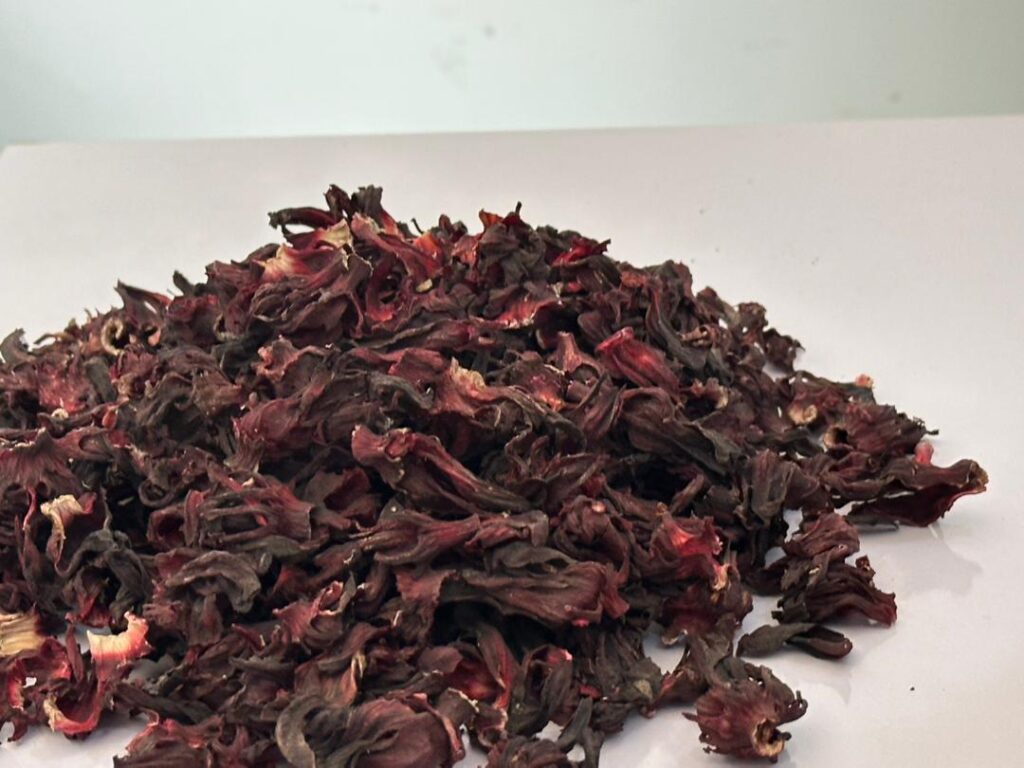
As global industries reassess how raw materials are sourced and used, hibiscus flower (Hibiscus sabdariffa) continues to prove its relevance. Its value lies not in complexity, but in how well it adapts to evolving production and market requirements.
A Raw Material That Holds Its Value
Once hibiscus calyces are harvested and dried, they become a stable agricultural product with a long usable life. This stability is critical in international trade, where time, distance, and storage conditions can affect quality. Hibiscus maintains its essential characteristics without chemical treatment, making it dependable across supply chains.
Supporting Modern Manufacturing Needs
Manufacturers increasingly favor ingredients that deliver function without excessive processing. Hibiscus responds well to this demand. Its natural properties allow it to be incorporated into products with minimal adjustment, supporting efficiency in formulation and production planning.
This makes hibiscus suitable for both traditional applications and modern product development.
Trade Compatibility Across Borders
Dried hibiscus is straightforward to package, inspect, and transport. These characteristics simplify compliance with import requirements and reduce handling risks. For buyers, this means fewer uncertainties; for suppliers, it means smoother transactions and repeat business.
Production Regions and Supply Confidence
Reliable supply depends on regions that combine suitable climate conditions with improving agricultural practices. Nigeria has emerged as a consistent contributor to the global hibiscus market by focusing on quality, cleanliness, and export readiness.
An Ingredient With Enduring Demand
Hibiscus does not rely on seasonal trends or narrow use cases. Its broad acceptance across industries helps sustain demand and supports long-term trade relationships.
Conclusion
Hibiscus flower fits naturally into a changing ingredient economy. Its stability, adaptability, and ease of trade make it a practical agricultural product with lasting global importance.