
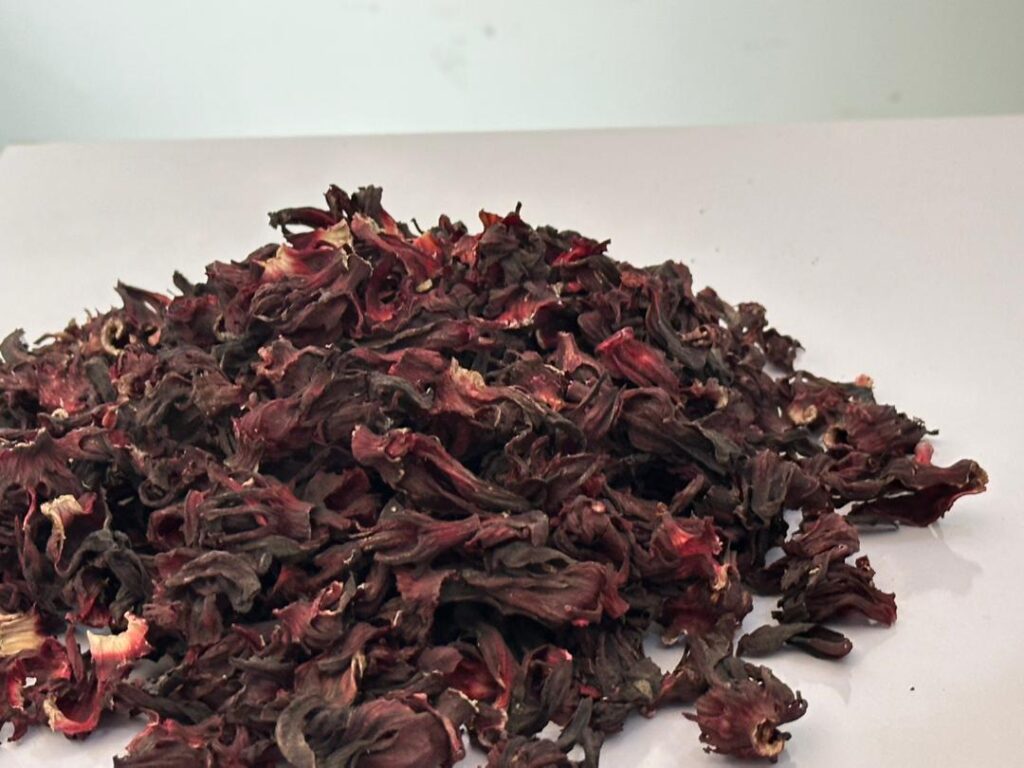
In global agricultural trade, not every successful product depends on complexity. Hibiscus flower (Hibiscus sabdariffa) proves that simplicity, when managed well, can deliver consistent value across international markets.
Hibiscus is cultivated for its calyces, which are harvested and dried to produce a stable, high-quality raw material. This dried form preserves the plant’s natural properties while making it suitable for storage, transport, and industrial use. The result is an ingredient that integrates easily into modern supply chains.
Versatility Without Overprocessing
Unlike many crops that require extensive refinement, hibiscus remains functional with minimal intervention. Its natural pigmentation, acidity, and botanical profile allow it to be used in beverages, food formulations, herbal products, and personal care items without altering its core structure.
This versatility gives manufacturers flexibility while reducing dependency on synthetic alternatives.
Market Trust Built on Consistency
Consistency is a key requirement in global trade. Buyers seek raw materials that perform the same way across batches and seasons. Well-processed hibiscus meets this expectation by offering predictable color strength, flavor release, and physical quality when sourced responsibly.
This reliability supports long-term commercial relationships and repeat demand.
Production Regions and Supply Strength
Tropical growing regions play a critical role in hibiscus availability. Nigeria has become an important supplier due to favorable growing conditions and increasing attention to post-harvest handling and export standards. These factors contribute to steady supply and improved market confidence.
A Crop With Long-Term Relevance
Hibiscus does not rely on short-term trends. Its relevance is driven by ongoing demand for natural ingredients that are easy to handle, adaptable in use, and efficient in trade. This makes it a sound choice for producers and buyers focused on sustainability and operational stability.
Conclusion
Hibiscus flower represents the strength of well-managed agriculture simple, reliable, and globally relevant. As markets continue to value natural inputs and efficient sourcing, hibiscus remains a dependable commodity with enduring commercial importance.