
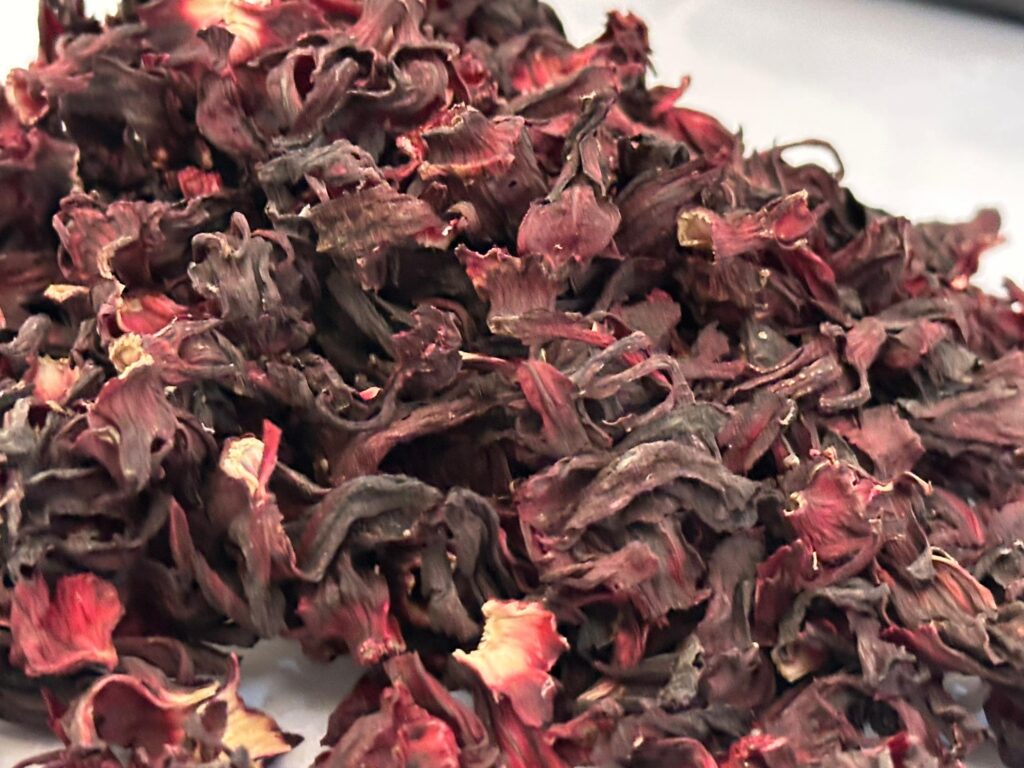
In international agricultural trade, trust is built through consistency rather than promises. Hibiscus flower (Hibiscus sabdariffa) continues to gain global acceptance because it supports standardization that buyers can rely on across repeated transactions.
Standards That Create Confidence
Hibiscus quality can be clearly described through agreed parameters such as moisture level, color strength, cleanliness, and cut form. These standards allow buyers to know exactly what to expect, reducing uncertainty and strengthening procurement confidence.
Consistency Across Shipments
When hibiscus is cultivated and processed using disciplined methods, quality remains consistent across harvests and shipment volumes. This repeatability supports long-term supply relationships and simplifies contract fulfillment.
Trust Through Transparent Handling
Standardized handling practices from drying to packaging create transparency throughout the supply chain. Clear documentation and predictable outcomes reduce friction at inspection points and accelerate trade processes.
Efficiency in Negotiation and Pricing
Clear standards simplify negotiations by aligning expectations. Pricing becomes more objective, disputes decrease, and transactions move faster. This efficiency benefits both exporters and importers.
Producing Regions and Market Credibility
Producing regions that invest in standardization strengthen their market credibility. Nigeria’s ongoing improvements in quality control and export alignment reinforce buyer trust and long-term demand.
Reinforcement of Repeat Trade
Buyers return to commodities that deliver predictable results. Hibiscus supports repeat business by performing consistently within structured trade systems.
Conclusion
Hibiscus flower demonstrates how standardization becomes a foundation for trust in global agricultural markets. By offering clearly defined and measurable quality attributes, it allows buyers and suppliers to communicate expectations with precision and confidence. This clarity reduces uncertainty, limits disputes, and supports fair, transparent pricing across transactions.
Disciplined processing methods further reinforce this trust by ensuring consistency from one shipment to the next. Proper drying, careful sorting, and standardized packaging preserve the flower’s natural characteristics while making it compatible with modern logistics and regulatory requirements. These practices transform hibiscus from a simple agricultural product into a dependable commercial input.
Transparent trade processes strengthen long-term relationships by aligning performance with documentation and accountability. As markets increasingly prioritize reliability, traceability, and operational discipline, hibiscus continues to stand out as a preferred natural commodity valued not for novelty, but for its proven ability to deliver consistent results over time.