
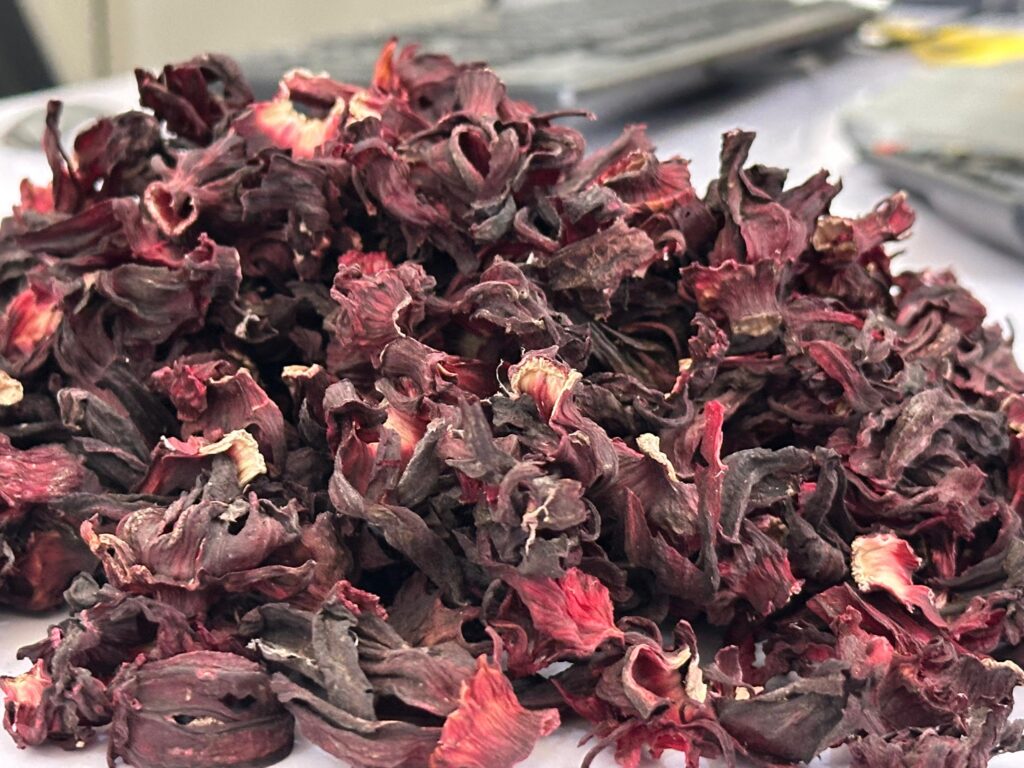
Scaling agricultural products for global trade requires discipline. Hibiscus flower (Hibiscus sabdariffa) succeeds at scale because it responds well to structured processes, clear standards, and repeatable handling.
A Crop Suited for Expansion
Not all crops scale easily. Hibiscus does because its key qualities color strength, acidity, and physical form remain stable when cultivation and drying are standardized. This allows producers to increase output without sacrificing consistency.
Standardization Supports Trade
In international markets, standardization reduces friction. Dried hibiscus can be graded, packaged, and shipped using clear specifications, making transactions faster and more transparent. Buyers benefit from knowing exactly what to expect, shipment after shipment.
Operational Clarity for Manufacturers
Manufacturers prefer ingredients that integrate smoothly into existing systems. Hibiscus requires minimal adjustment during processing and behaves predictably during formulation. This clarity supports efficient production planning and quality control.
Supply Regions and Structured Growth
Producing regions that invest in organized harvesting and post-harvest practices strengthen their position in global markets. Nigeria has advanced its role by focusing on export readiness, helping meet volume requirements while maintaining quality benchmarks.
A Product That Grows With the Market
As global demand for natural inputs increases, hibiscus expands without losing its identity. Its scalability allows it to grow alongside market needs rather than being replaced by alternatives.
Conclusion
Hibiscus flower demonstrates how disciplined agriculture enables sustainable growth. Through careful cultivation, standardized processing, and consistent quality control, it has evolved into a product that performs reliably at scale. Its ability to maintain uniform characteristics across volumes allows producers, exporters, and manufacturers to plan with confidence and reduce operational risk.
In an increasingly complex global market where supply chains face pressure from volatility and rising standards hibiscus offers clarity and stability. Its scalability, ease of trade, and dependable performance make it more than an agricultural commodity; it becomes a strategic resource. As markets continue to value efficiency, transparency, and long-term reliability, hibiscus remains well positioned to support sustainable commercial growth far into the future.