
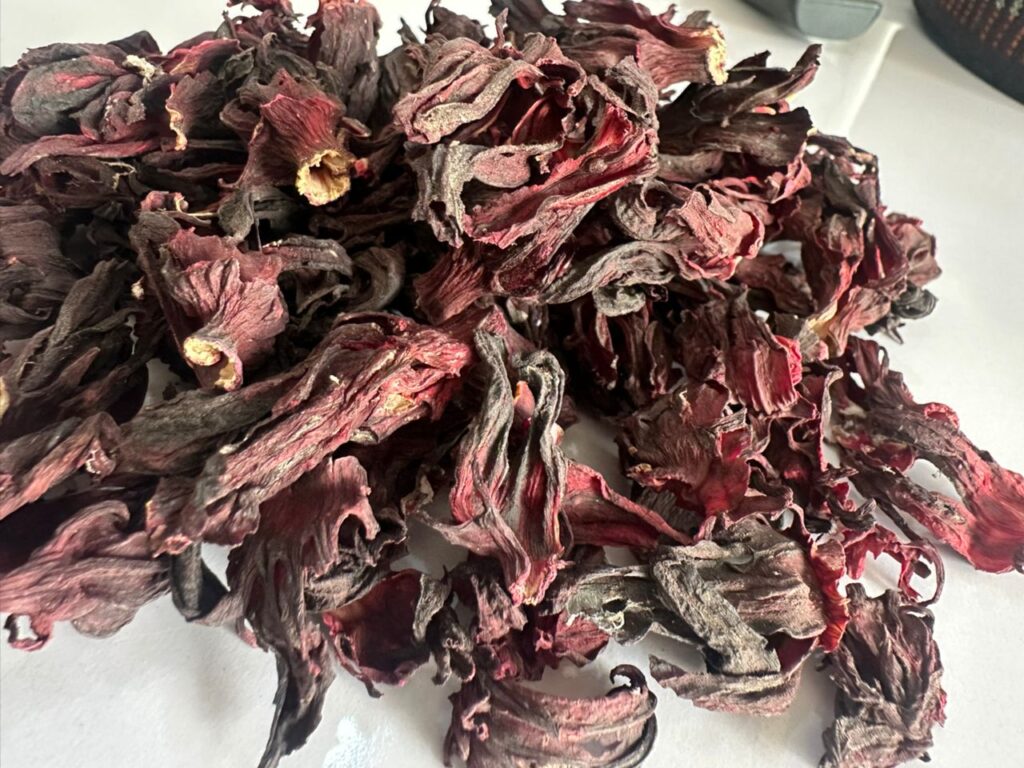
Hibiscus flower (Hibiscus sabdariffa) has gradually transformed from a traditional crop into a strategic agricultural asset within the global natural economy. Its importance today is defined less by symbolism and more by performance, efficiency, and adaptability in international markets.
A Crop With Built-In Efficiency
Hibiscus requires relatively simple cultivation practices yet delivers high value after harvest. Once the calyces are separated and dried, the product becomes compact, lightweight, and resistant to spoilage. This efficiency reduces post-harvest losses and makes hibiscus well suited for bulk handling and export logistics.
Value Beyond Appearance
While its deep red color is visually striking, hibiscus is primarily valued for what it contributes functionally. Its natural acids influence taste profiles, its pigments support natural coloration, and its botanical composition fits seamlessly into plant-based product development. These qualities allow hibiscus to serve as a working ingredient rather than a decorative one.
Adaptation to Modern Market Needs
Modern buyers seek ingredients that align with sustainability, traceability, and minimal processing. Hibiscus meets these expectations naturally. It does not require chemical stabilization or complex transformation to remain usable, which strengthens its appeal in markets moving toward transparency and clean sourcing.
Supply and Trade Positioning
Countries with appropriate climates and agricultural knowledge play a key role in hibiscus supply. Nigeria has become an important origin point, offering large volumes of dried hibiscus supported by experienced farming communities. Export-focused handling practices continue to improve the product’s acceptance in international trade.
Why Hibiscus Maintains Economic Relevance
Hibiscus continues to attract global interest because it offers:
- Low processing complexity
- Strong compatibility with natural product trends
- Long storage life without artificial inputs
- Demand across food, beverage, wellness, and personal care sectors
Closing Insight
Hibiscus flower represents how simple agricultural products can achieve lasting economic relevance. Its strength lies not in novelty, but in reliability, efficiency, and alignment with the future of natural trade. As industries refine their sourcing strategies, hibiscus sabdariffa remains a practical and resilient choice.