
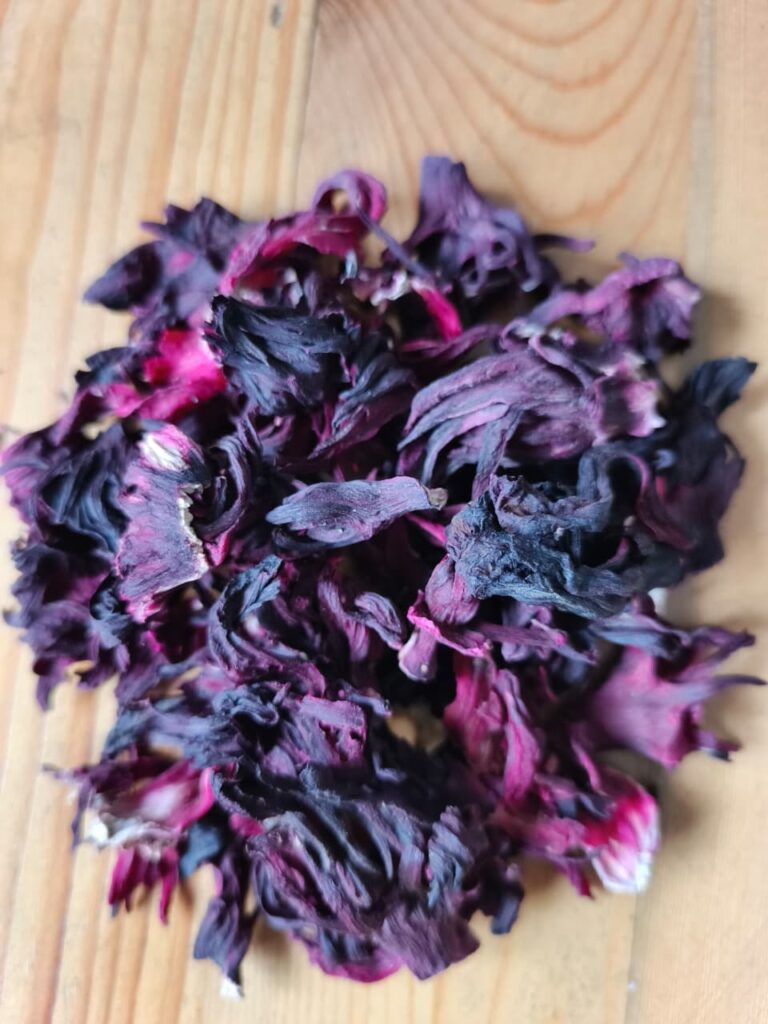
In a world where consumers are increasingly turning to natural products, certain plants have become highly valued for their versatility and health-supporting qualities. One of the most recognized among them is the hibiscus flower. Scientifically known as Hibiscus sabdariffa, hibiscus has become an essential ingredient in herbal beverages and natural food products around the globe.
Its bright red color, refreshing tart flavor, and cultural significance have helped hibiscus move from traditional use to a growing role in international markets.
The Botanical Characteristics of Hibiscus
Hibiscus is a tropical plant that thrives in warm climates with abundant sunlight and moderate rainfall. Although many hibiscus varieties exist, Hibiscus sabdariffa is the species most widely cultivated for consumption.
After the flower blooms, the plant develops thick red calyces that surround the base of the flower. These calyces are the part of the plant that is harvested and dried for commercial use.
Proper drying is important because it preserves the flower’s color, flavor, and natural compounds, allowing the product to maintain quality during storage and transportation.
Hibiscus as a Natural Beverage Ingredient
One of the most popular uses of hibiscus is in herbal beverages. When dried hibiscus calyces are infused in hot water, they release a deep red liquid with a pleasantly sour and refreshing taste.
This distinctive flavor makes hibiscus tea a favorite in many parts of the world. The drink can be served hot during cooler seasons or chilled as a refreshing beverage in warmer climates.
It is often sweetened with sugar, honey, or flavored with fruits and spices to create different variations.
Traditional Hibiscus Drinks Across Cultures
Hibiscus beverages are deeply connected to cultural traditions in many regions. Although the preparation methods vary, the base ingredient remains the same.
In Nigeria and other parts of West Africa, hibiscus drink is widely known as Zobo. In Egypt and Sudan it is called Karkade, while in Mexico and several Latin American countries it is referred to as Agua de Jamaica.
These drinks demonstrate how hibiscus has become a shared element of culinary traditions across continents.
Nutritional Qualities of Hibiscus
Hibiscus is appreciated not only for its refreshing taste but also for its natural nutritional components.
Antioxidants
Hibiscus contains anthocyanins that help protect the body from oxidative damage.
Heart Health Support
Hibiscus tea is often associated with helping maintain healthy blood pressure levels.
Immune System Support
The plant contains vitamin C, which contributes to strengthening the immune system.
Caffeine-Free Beverage
Hibiscus tea provides a refreshing drink without caffeine, making it suitable for regular consumption.
These qualities have helped hibiscus gain popularity among people who prefer natural and herbal beverages.
Hibiscus in the International Market
The increasing demand for natural drinks has made hibiscus an important agricultural export product. Dried hibiscus flowers are used by tea producers, beverage companies, and food manufacturers worldwide.
Maintaining product quality is essential in international trade. Proper harvesting, cleaning, drying, and packaging ensure that hibiscus meets global standards.
Companies such as Ziha Universal Company Nig Limited contribute to this growing industry by supplying premium-quality dried hibiscus flowers to international buyers.
Conclusion
The hibiscus flower represents the perfect combination of tradition and modern demand. Its vibrant color, refreshing taste, and natural benefits have made it one of the most important ingredients in herbal beverages worldwide.
As global interest in natural products continues to increase, hibiscus will remain a valuable crop supporting farmers, exporters, and the international beverage industry.
From traditional herbal drinks to modern global markets, hibiscus continues to demonstrate its lasting importance and worldwide appeal.