
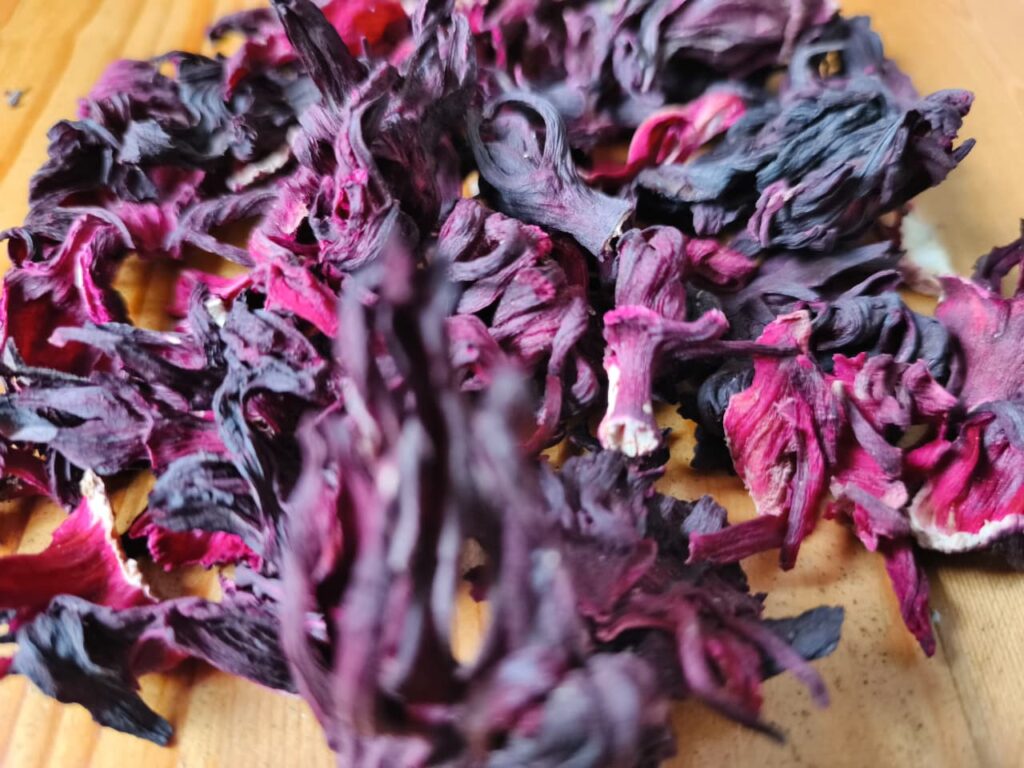
In a marketplace increasingly shaped by health awareness and sustainability, the hibiscus flower has secured its place as a botanical of global importance. Known for its striking red hue and distinctive tart flavor, hibiscus has traveled far beyond traditional herbal use. Today, it is a respected ingredient in wellness beverages, nutraceuticals, cosmetics, and international agricultural trade.
Its journey from local farms to global shelves reflects the rising demand for authentic, plant-based products.
Botanical Identity and Commercial Significance
Hibiscus belongs to the genus Hibiscus, which includes hundreds of flowering species cultivated across tropical regions. The most commercially valuable species is Hibiscus sabdariffa, widely known as Roselle.
Unlike ornamental hibiscus varieties, Roselle is grown specifically for its thick, red calyces. After harvesting, these calyces are dried under controlled conditions to preserve their color, flavor, and nutritional content. They are then processed into whole dried petals, cut grades, powders, and concentrated extracts for local and international markets.
The Science Behind the Popularity
Hibiscus has gained recognition not only for its taste but also for its impressive nutritional profile.
Rich in Bioactive Compounds
Hibiscus contains anthocyanins, organic acids, and flavonoids. These compounds contribute to its antioxidant capacity, supporting cellular protection and overall well-being.
Cardiovascular Support
Numerous studies have examined hibiscus tea for its potential role in supporting healthy blood pressure levels. As heart health remains a global priority, hibiscus continues to attract research and consumer attention.
Digestive and Detox Properties
Traditionally, hibiscus has been used to support digestion and maintain fluid balance, thanks to its mild diuretic properties.
A Natural Immune Ally
Its vitamin C content further enhances its reputation as a supportive herbal beverage.
Beyond Tea: Expanding Industrial Applications
Although hibiscus tea remains the most popular form of consumption, its industrial applications are expanding rapidly:
- Functional Beverage Industry – Used in ready-to-drink herbal infusions and wellness blends
- Food Processing – Incorporated into sauces, jams, syrups, and confectionery
- Natural Colorant Production – Valued for its deep red pigment
- Cosmetic Formulations – Added to skincare and haircare products
- Dietary Supplements – Available in capsules and powdered extracts
This versatility strengthens its global commercial value.
International Trade and Quality Standards
The global market for dried hibiscus continues to grow, particularly in Europe, North America, and parts of Asia. Buyers increasingly prioritize quality, safety, and traceability.
High-grade export hibiscus typically requires:
- Uniform deep red color
- Controlled moisture content
- Absence of foreign matter
- Compliance with food safety regulations
- Secure, hygienic packaging
Producers who invest in proper sorting, grading, and certification processes gain access to premium markets.
A Sustainable Crop with Long-Term Potential
Hibiscus thrives in warm climates and can adapt to various soil conditions. With proper cultivation and post-harvest management, it offers:
- Strong export potential
- Relatively low production cost
- Long shelf life
- Growing global demand
For developing agricultural economies, hibiscus represents both income generation and participation in the expanding global wellness industry.
Conclusion
Hibiscus is a remarkable example of how traditional botanical knowledge can evolve into modern global opportunity. Its vibrant appearance, health-supporting properties, and commercial adaptability make it a standout crop in the natural products sector.
As consumers continue to prioritize clean-label, plant-based solutions, hibiscus is not just maintaining relevance it is shaping the future of herbal wellness and sustainable agribusiness.