
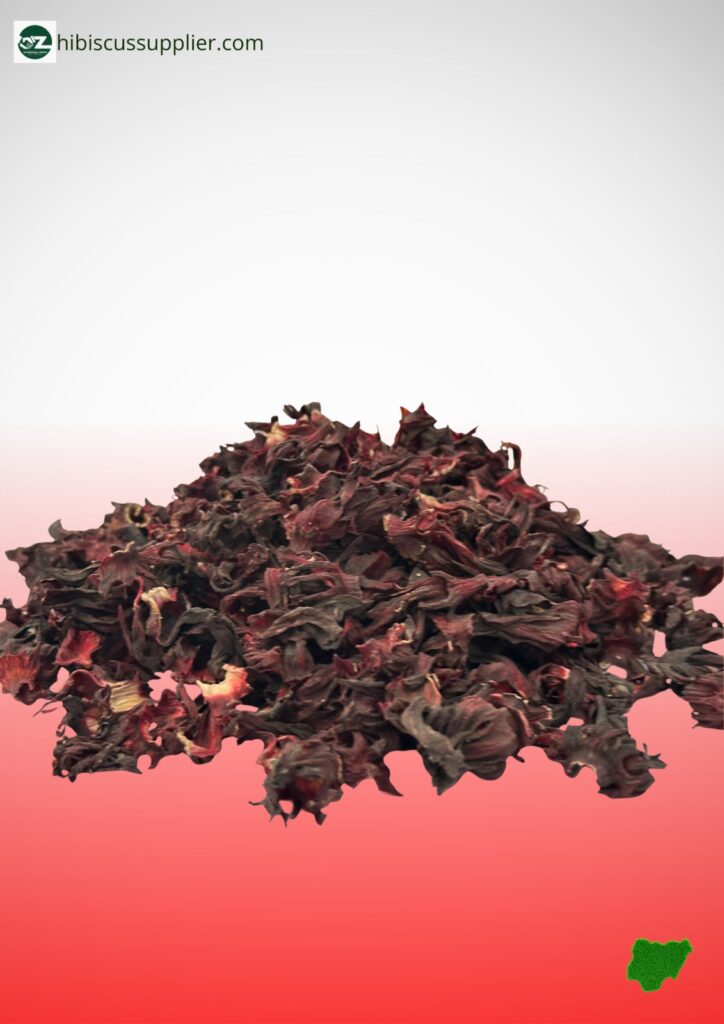
Hibiscus flower, scientifically identified as Hibiscus sabdariffa, is a strategic natural product with increasing importance in international markets. Known for its intense red color, pleasant tartness, and wide-ranging applications, hibiscus is used extensively in beverages, food products, wellness items, cosmetics, and herbal preparations. Its steady global demand has made it a reliable agricultural export, especially for producing nations such as Nigeria.
The Value of Hibiscus Flower
Hibiscus is cultivated in tropical regions where climate conditions support healthy growth. The calyces are harvested at maturity and carefully dried to preserve quality. Once dried, hibiscus becomes a flexible raw material that can be processed into teas, concentrates, powders, and extracts for various industrial uses.
Key Industrial Applications
Beverage and Food Production
Hibiscus is widely used to create herbal teas and refreshing drinks. It is also incorporated into:
- Juice blends and flavored beverages
- Syrups, sauces, and preserves
- Natural flavoring and coloring systems
Its natural properties support the production of clean-label food products.
Wellness and Nutritional Products
Rich in antioxidants and natural acids, hibiscus is commonly included in wellness formulations that aim to:
- Support balanced lifestyles
- Promote heart-conscious habits
- Encourage digestive comfort
- Enhance overall wellness
Cosmetic and Personal Care Products
Hibiscus extracts are used in:
- Skincare solutions
- Hair care and treatment products
- Botanical cosmetic formulations
Its plant-based composition aligns with modern beauty trends.
Herbal and Supplement Industry
Hibiscus continues to be valued in traditional herbal use and modern supplement production due to its natural origin and long-standing reputation.
Expanding Global Market
Demand for hibiscus flower continues to rise as global consumers prefer natural and plant-derived ingredients. Major importing regions include:
- Mexico
- North America
- Europe
- Middle East
- Asia
Mexico remains a key market, where hibiscus known as flor de jamaica is widely consumed in daily beverages.
Nigeria’s Contribution to Hibiscus Supply
Nigeria is a leading hibiscus producer in Africa, benefiting from favorable climate conditions and skilled agricultural practices. Nigerian hibiscus is recognized for its strong color, bold flavor, and suitability for export and industrial processing.
Why Hibiscus Is a Reliable Choice
Hibiscus attracts global buyers because it offers:
- A natural, plant-based source
- Multiple industrial applications
- Easy storage and transportation when dried
- Consistent and growing global demand
Conclusion
Hibiscus flower has become a strategic natural product in international trade. Its versatility, natural appeal, and expanding demand make it a dependable commodity for global markets. With proper cultivation and quality handling, hibiscus continues to offer long-term value worldwide.