
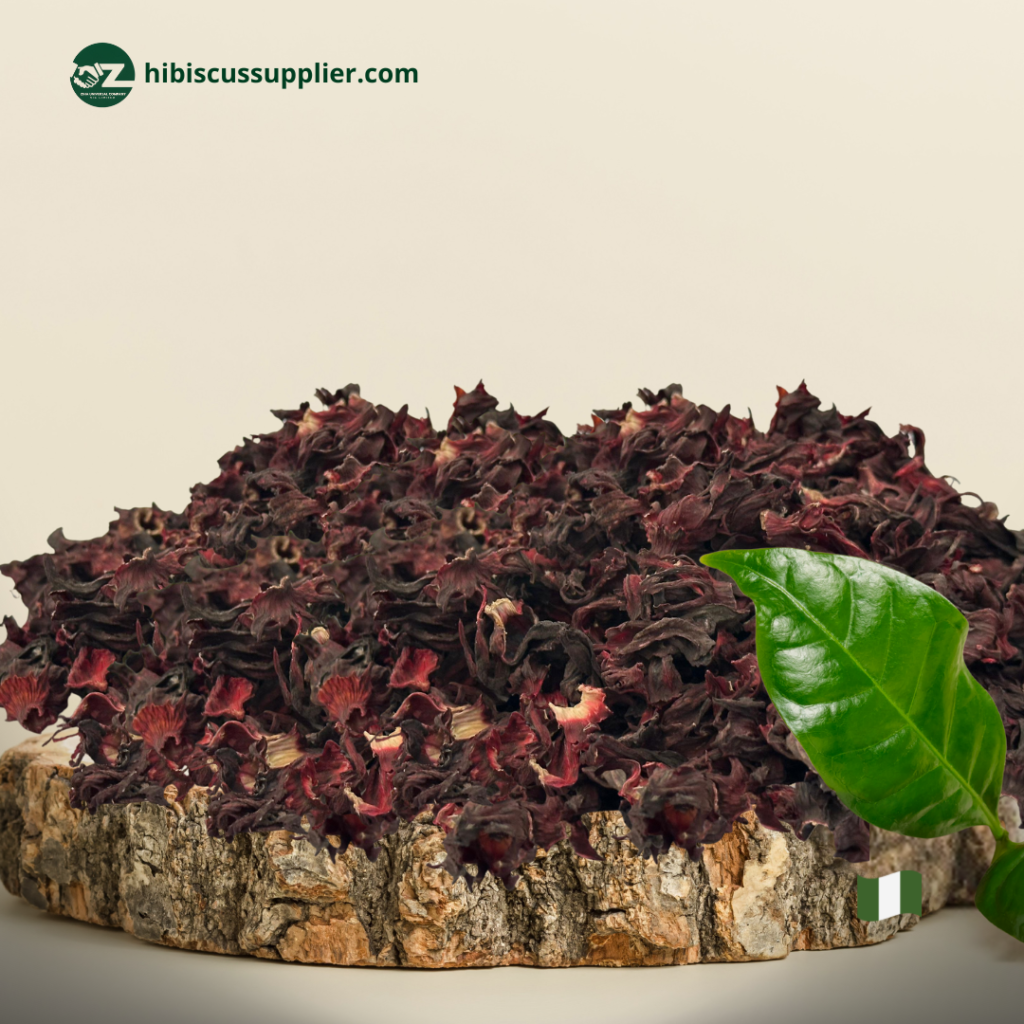
Hibiscus flower, scientifically known as Hibiscus sabdariffa, is a natural plant product with strong importance in global trade. Famous for its deep red color, sharp refreshing taste, and wide usability, hibiscus is widely applied in food, beverages, health products, cosmetics, and herbal industries. Its steady rise in demand has made it a key agricultural commodity, particularly in producing countries such as Nigeria.
Overview of the Hibiscus Flower
Hibiscus is a tropical plant grown mainly for its calyces. After harvesting, the calyces are carefully dried to preserve their natural color, flavor, and quality. The dried flower is then processed into various forms, including teas, drink concentrates, powders, and extracts, making it suitable for both consumer use and industrial production.
Core Uses of Hibiscus Flower
Food and Beverage Applications
Hibiscus is widely known for its role in herbal teas and refreshing drinks enjoyed around the world. It is also used in:
- Natural juices and flavored beverages
- Syrups, jams, and sauces
- Natural food coloring and flavoring
Its plant-based nature supports the growing demand for clean and natural food ingredients.
Health and Wellness Products
Hibiscus contains antioxidants, vitamin C, and natural organic acids. These qualities make it popular in wellness products designed to:
- Support heart-friendly lifestyles
- Encourage healthy digestion
- Complement immune support
- Promote overall well-being
Cosmetics and Personal Care
Hibiscus extracts are increasingly used in:
- Skincare creams and lotions
- Hair care and treatment products
- Botanical beauty formulations
Its natural compounds help improve product appeal and performance.
Herbal and Supplement Industry
Hibiscus has long been used in traditional herbal practices and continues to be widely applied in modern herbal supplements and plant-based remedies.
Global Market Demand
The international market for hibiscus flower continues to grow as consumers and manufacturers shift toward natural and plant-derived ingredients. Key importing regions include:
- Mexico
- United States
- Europe
- Middle East
- Asia
Mexico remains one of the largest consumers, where hibiscus commonly called flor de jamaica is used daily in beverages and food products.
Nigeria’s Role in the Hibiscus Supply Chain
Nigeria is one of Africa’s major producers of hibiscus flower. Supported by favorable climate conditions and experienced farmers, the country supplies dried hibiscus calyces known for their rich color, bold flavor, and suitability for export and industrial processing.
Why Hibiscus Is a Preferred Choice for Buyers
Hibiscus continues to attract global buyers because it is:
- 100% natural and plant-based
- Suitable for multiple industries
- Easy to store and transport when dried
- Supported by strong and consistent global demand
Conclusion
Hibiscus flower has established itself as a valuable natural ingredient with worldwide relevance. Its wide range of uses and increasing demand make it a reliable and sustainable product for international markets. With proper sourcing, processing, and quality control, hibiscus remains a strong and trusted commodity in global trade.