
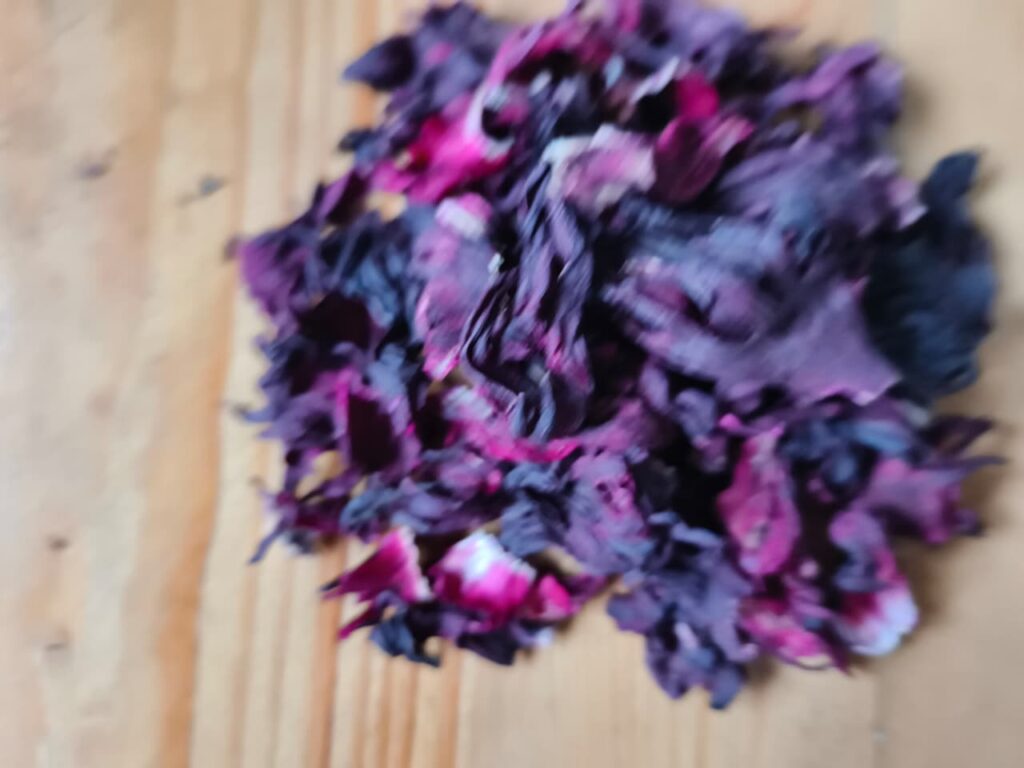
Agriculture continues to play a vital role in supplying natural products to a growing global population. Among the many crops gaining international attention, the hibiscus plant has become an important agricultural commodity. Known scientifically as Hibiscus sabdariffa, hibiscus is widely cultivated for its bright red calyces, which are used in beverages, foods, and herbal products.
As the demand for natural ingredients increases worldwide, hibiscus farming has emerged as a promising opportunity for farmers and exporters alike.
The Agricultural Characteristics of Hibiscus
Hibiscus is a tropical crop that grows best in warm climates with moderate rainfall and well-drained soil. The plant is relatively adaptable and can thrive in many agricultural regions across Africa, Asia, and parts of the Americas.
The most valuable part of the plant is the calyx, which forms after the hibiscus flower blooms. These thick, red structures surround the base of the flower and are harvested when fully mature. After harvesting, the calyces are dried to preserve their flavor, color, and nutritional properties.
Once dried, hibiscus becomes a highly versatile raw material used in teas, juices, syrups, natural colorants, and herbal products.
Steps in Hibiscus Production
Successful hibiscus farming involves several key stages, each contributing to the quality of the final product.
Cultivation
Farmers begin by planting hibiscus seeds in fertile soil during the appropriate growing season. The plant typically grows well with regular sunlight and moderate watering.
Flowering and Harvesting
After several months of growth, hibiscus plants begin to flower. Once the flowers bloom and fall, the calyces develop and are ready for harvesting.
Drying Process
The harvested calyces are carefully dried under controlled conditions. Proper drying helps maintain the vibrant red color and prevents contamination.
Sorting and Packaging
After drying, the hibiscus is cleaned, sorted, and packaged for storage or export. Maintaining cleanliness and proper packaging is essential for meeting international quality standards.
Growing Demand for Hibiscus Products
Hibiscus products have gained global popularity due to their unique taste and natural properties. The dried calyces are commonly used to prepare herbal tea, a beverage enjoyed in many cultures.
In West Africa, the drink is popularly known as Zobo, while in North Africa and the Middle East it is called Karkade. In Mexico and parts of Latin America, it is widely recognized as Agua de Jamaica.
Because hibiscus tea is naturally caffeine-free and refreshing, it has become a popular choice for consumers seeking healthier beverage options.
Hibiscus and the Export Market
The international market for hibiscus has expanded significantly as demand for herbal teas and natural ingredients continues to rise. Many food and beverage companies rely on dried hibiscus flowers as a key ingredient in their products.
Exporters must ensure that hibiscus is properly processed, cleaned, and packaged to meet the expectations of international buyers.
Companies such as Ziha Universal Company Nig Limited help supply high-quality dried hibiscus flowers to global markets. Through careful sourcing, processing, and quality control, exporters play a crucial role in connecting farmers with international buyers.
Economic Opportunities for Farmers
Hibiscus farming offers several advantages for agricultural communities. The crop can be grown with relatively moderate resources and has strong demand in international markets.
For many farmers, hibiscus cultivation provides an opportunity to diversify income while contributing to the growing herbal products industry.
As global interest in natural and plant-based products continues to grow, hibiscus is expected to remain a valuable crop for both local economies and international trade.
Conclusion
Hibiscus farming represents a powerful example of how agriculture can connect local production with global demand. From cultivation in tropical fields to its presence in beverages and wellness products around the world, hibiscus has become an increasingly important crop.
With proper farming practices, quality processing, and reliable export networks, the hibiscus industry will continue to expand and provide opportunities for farmers, businesses, and consumers alike.
As demand for natural ingredients grows, the future of hibiscus farming looks bright and full of potential.