
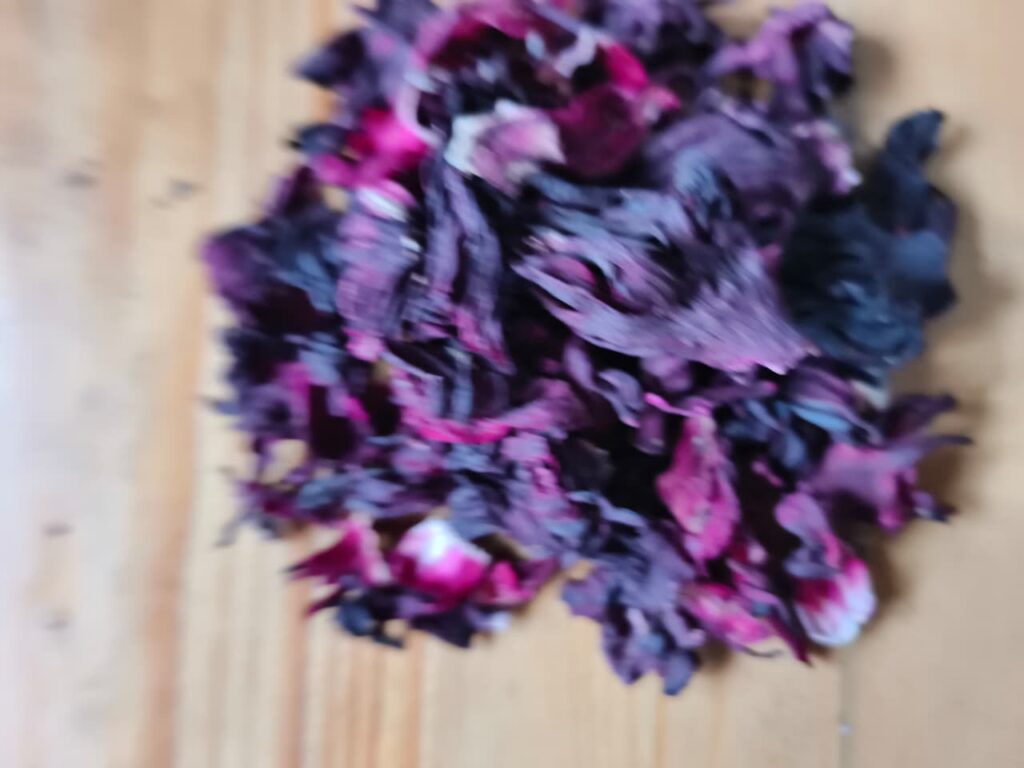
Throughout history, certain plants have played an important role in human health, culture, and trade. One of the most remarkable among them is the hibiscus flower. Known scientifically as Hibiscus sabdariffa, hibiscus has been valued for generations for its vibrant color, refreshing flavor, and natural health-supporting properties.
Today, hibiscus is no longer limited to traditional herbal use. It has become a globally traded agricultural product used in beverages, food products, cosmetics, and wellness industries.
The Unique Characteristics of Hibiscus
Hibiscus is a tropical plant that thrives in warm climates and fertile soil. While the hibiscus family includes many species, Hibiscus sabdariffa is the most widely cultivated for food and beverage purposes.
The plant produces bright red calyces that surround the flower after it blooms. These calyces are harvested and carefully dried to preserve their nutrients and distinctive tart flavor. Once dried, hibiscus becomes a versatile ingredient used in teas, juices, syrups, herbal extracts, and natural food coloring.
Its rich ruby color and refreshing taste make hibiscus both visually appealing and highly valued in the global food and beverage industry.
The Health Benefits of Hibiscus
For centuries, hibiscus has been used in traditional medicine across many cultures. Modern research continues to highlight the plant’s nutritional value and potential health benefits.
Rich in Antioxidants
Hibiscus contains natural antioxidants such as anthocyanins that help protect the body from oxidative stress and support overall cellular health.
Supports Heart Health
Many studies suggest that hibiscus tea may help support healthy blood pressure levels and promote cardiovascular wellness.
Boosts Immune Function
Hibiscus provides vitamin C and beneficial plant compounds that help strengthen the immune system.
Supports Digestive Health
In many cultures, hibiscus beverages are consumed to aid digestion and support metabolic balance.
A Drink Enjoyed Around the World
One of the most popular uses of hibiscus is in herbal beverages. Across the world, hibiscus drinks are known by different names depending on the region.
In West Africa, particularly Nigeria, the drink is commonly called Zobo. In Egypt and Sudan, it is known as Karkade, while in Mexico and other parts of Latin America it is called Agua de Jamaica.
Despite the different names, the drink remains the same refreshing herbal infusion loved for its tart taste and vibrant red color. Because hibiscus tea is naturally caffeine-free, it is often chosen as a healthier alternative to many commercial beverages.
Hibiscus in International Trade
As the global demand for natural ingredients continues to grow, hibiscus has become an important agricultural export product. Dried hibiscus flowers are widely used in herbal tea production, natural food coloring, dietary supplements, and cosmetic formulations.
International buyers seek high-quality hibiscus that has been properly cleaned, dried, and packaged according to export standards.
Companies such as Ziha Universal Company Nig Limited contribute to this expanding market by supplying premium-grade dried hibiscus flowers to global customers. By maintaining strict quality control throughout the processing and packaging stages, reliable exporters help ensure hibiscus products meet international market requirements.
The Future of Hibiscus
Hibiscus cultivation continues to offer promising opportunities for farmers and exporters. The crop grows well in tropical climates and requires relatively simple agricultural practices compared to many other commercial crops.
As consumers worldwide continue to prioritize natural health products and plant-based ingredients, the demand for hibiscus is expected to increase even further.
This growing demand creates new opportunities not only for agricultural producers but also for businesses involved in processing, packaging, and international trade.
Conclusion
The hibiscus flower represents a powerful combination of tradition, health, and economic potential. From traditional herbal beverages to global export markets, hibiscus has proven its value across cultures and industries.
Its vibrant color, refreshing flavor, and natural health benefits make it one of the most important botanical ingredients in the modern wellness market.
As interest in natural products continues to grow around the world, the hibiscus flower will remain a timeless symbol of nature’s ability to provide both health and opportunity.