
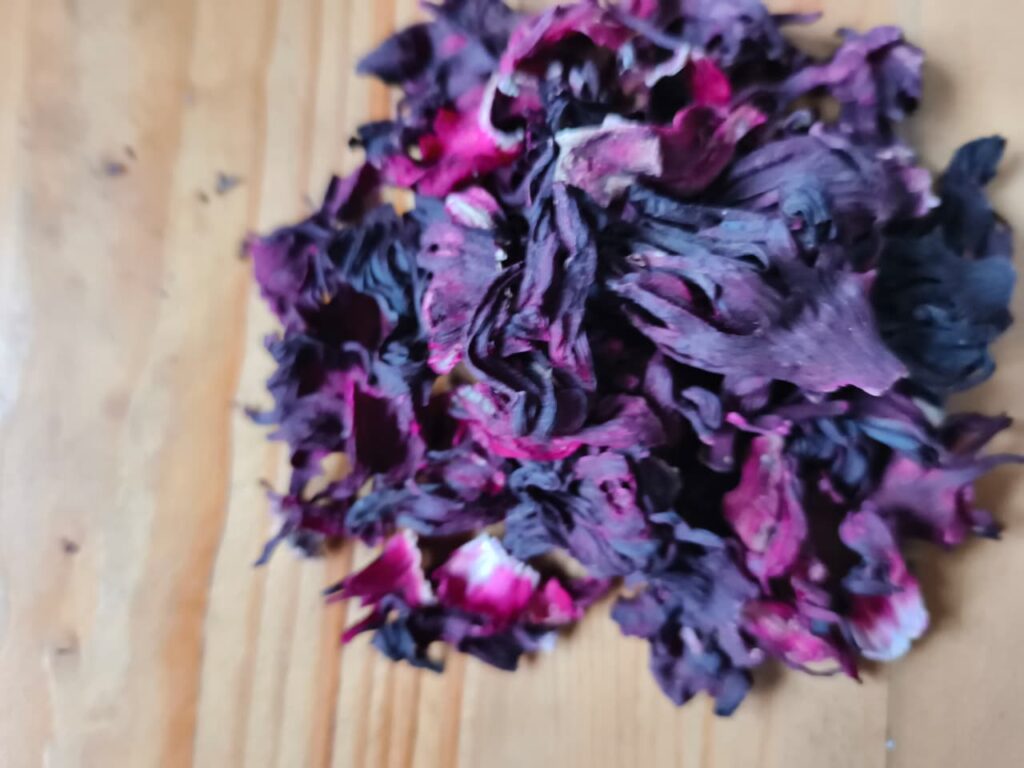
In the modern world, natural ingredients are becoming increasingly valuable as consumers look for healthier and more sustainable products. One plant that has gained remarkable global attention is the hibiscus flower. Scientifically known as Hibiscus sabdariffa, hibiscus has developed a strong presence in the food, beverage, and wellness industries.
With its striking red color, refreshing tart flavor, and beneficial natural compounds, hibiscus has transformed from a traditional herbal drink ingredient into an internationally traded agricultural product.
The Distinctive Nature of Hibiscus
Hibiscus is a tropical plant that thrives in warm climates and fertile soils. Although many hibiscus varieties are grown for ornamental beauty, Hibiscus sabdariffa is specifically cultivated for its edible and commercially valuable calyces.
After the flower blooms, thick red calyces form around the base of the flower. These calyces are harvested and dried carefully to preserve their vibrant color and natural flavor. Once dried, hibiscus becomes a versatile ingredient used in herbal teas, juices, syrups, and natural food coloring.
The combination of color, flavor, and natural benefits makes hibiscus highly attractive to manufacturers and consumers alike.
Nutritional and Wellness Benefits
Hibiscus has been valued for generations in traditional herbal practices. Today, modern research continues to highlight its beneficial properties.
Antioxidant Rich
Hibiscus contains anthocyanins and polyphenols that help protect the body from oxidative stress.
Supports Heart Health
Many studies suggest that hibiscus beverages may support healthy blood pressure and contribute to cardiovascular wellness.
Immune Support
The plant contains vitamin C and other beneficial compounds that help strengthen the body’s natural defense system.
Naturally Refreshing
Because hibiscus tea is naturally caffeine-free, it provides a refreshing alternative to many common beverages.
These health-supporting properties have helped hibiscus gain popularity in the global wellness industry.
A Drink Shared Across Cultures
One of the most well-known uses of hibiscus is in herbal beverages that are enjoyed across many cultures. Although preparation methods vary, the core ingredient remains the same: dried hibiscus calyces.
In West Africa, particularly Nigeria, the drink is widely known as Zobo. In Egypt and Sudan it is called Karkade, while in Mexico and Central America it is famously known as Agua de Jamaica.
Despite the different names, hibiscus beverages are recognized everywhere for their deep red color and refreshing taste.
The Role of Hibiscus in Global Trade
As demand for natural ingredients grows, hibiscus has become an important commodity in international trade. Food manufacturers, beverage companies, and herbal product producers rely on dried hibiscus flowers as a key ingredient.
To meet international demand, exporters must ensure that hibiscus is properly harvested, dried, cleaned, and packaged according to global quality standards.
Companies such as Ziha Universal Company Nig Limited help supply premium-quality dried hibiscus flowers to international markets. By maintaining strict quality control and reliable supply chains, exporters help connect farmers with buyers around the world.
The Future of the Hibiscus Industry
The global market for herbal teas and plant-based products continues to expand. As consumers seek natural alternatives to artificial ingredients, hibiscus is expected to remain a valuable botanical resource.
This growing demand creates opportunities for farmers, agricultural businesses, and exporters involved in hibiscus production.
With proper cultivation and quality processing, hibiscus will continue to play a significant role in global agriculture and natural wellness markets.
Conclusion
The hibiscus flower is a powerful example of how a traditional plant can gain global importance. Its vibrant color, refreshing flavor, and natural benefits have allowed it to become a key ingredient in many industries.
As interest in natural health solutions continues to grow, hibiscus will remain a valuable crop that connects agriculture, culture, and international trade.
From traditional drinks to global markets, hibiscus continues to prove its lasting value in today’s natural product economy.