
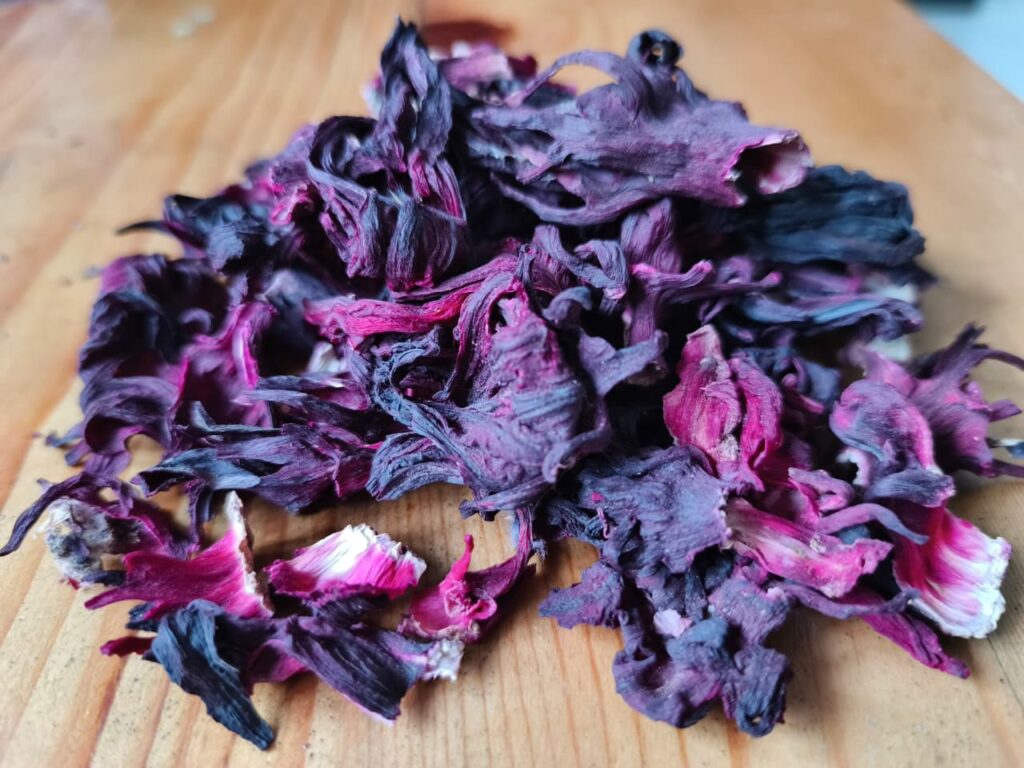
Across centuries and cultures, certain plants have stood the test of time for their beauty, usefulness, and healing properties. Among them, the hibiscus flower has emerged as one of the most remarkable botanical resources in the world. Scientifically known as Hibiscus sabdariffa, hibiscus has transitioned from a traditional herbal plant to a globally recognized ingredient in beverages, health products, and international trade.
Today, this vibrant red flower is not only admired for its appearance but also valued for its nutritional power and growing economic importance.
A Flower with Deep Cultural Roots
Hibiscus has been cultivated for centuries in tropical and subtropical regions. Its bright red calyces are harvested after flowering and carefully dried to preserve their color, flavor, and nutrients.
Historically, many cultures used hibiscus as both a refreshing drink and a natural remedy. Communities across Africa, the Middle East, Asia, and Latin America have long relied on hibiscus for its cooling properties and potential health benefits.
Even today, hibiscus remains deeply woven into traditional food and beverage cultures around the world.
A Natural Source of Wellness
Modern science continues to explore the nutritional value of hibiscus, and the findings have reinforced what traditional medicine has known for generations. Hibiscus contains a variety of natural compounds that contribute to overall health.
Supports Cardiovascular Health
Hibiscus tea has been widely studied for its ability to help maintain healthy blood pressure and support heart health. The plant contains natural antioxidants that may contribute to improved circulation.
Rich in Antioxidants
The deep red color of hibiscus is produced by anthocyanins powerful antioxidants that help combat oxidative stress in the body.
Boosts Immune Function
Hibiscus is naturally rich in vitamin C, which plays a key role in strengthening the immune system and supporting overall wellness.
Encourages Digestive Balance
Traditional herbal practices often use hibiscus to support digestion and maintain metabolic balance.
A Drink Known Around the World
One of the most popular uses of hibiscus is in herbal tea and refreshing beverages. Different cultures have given this drink their own names, reflecting its global reach.
In West Africa, particularly Nigeria, the beverage is commonly known as Zobo. In Egypt and Sudan, it is called Karkade, while in Mexico it is widely recognized as Agua de Jamaica.
Regardless of the name, hibiscus tea is loved for its refreshing taste, vibrant color, and caffeine-free nature. It can be served hot or cold, making it a versatile drink for all seasons.
Hibiscus and the Expanding Global Market
In recent years, hibiscus has gained significant attention in international markets. The global wellness industry, valued in trillions of dollars, increasingly relies on natural plant ingredients and hibiscus fits perfectly into this trend.
The dried hibiscus calyx is now widely used in:
- Herbal teas and beverages
- Natural food coloring
- Dietary supplements
- Cosmetic and skincare products
As demand increases, countries that produce hibiscus have seen new opportunities in agricultural exports.
Suppliers such as Ziha Universal Company Nig Limited contribute to this growing industry by providing high-quality dried hibiscus flowers prepared for international buyers. Through careful processing, cleaning, and packaging, suppliers help ensure that hibiscus products meet global quality standards.
Opportunities in Hibiscus Production
For farmers and exporters, hibiscus represents more than just a crop it is an opportunity. The plant adapts well to warm climates and can be cultivated with relatively manageable farming practices.
As global demand for natural and organic products continues to grow, hibiscus farming has the potential to support rural economies while supplying valuable raw materials to international markets.
Conclusion
The story of hibiscus is a powerful example of how traditional plants can gain new life in the modern world. From ancient herbal traditions to global trade networks, hibiscus has successfully bridged culture, health, and business.
With its striking appearance, refreshing flavor, and impressive nutritional properties, hibiscus continues to earn its place among the world’s most important botanical ingredients.
As consumers increasingly seek natural and sustainable products, the hibiscus flower will remain a symbol of both wellness and opportunity in the global marketplace.