
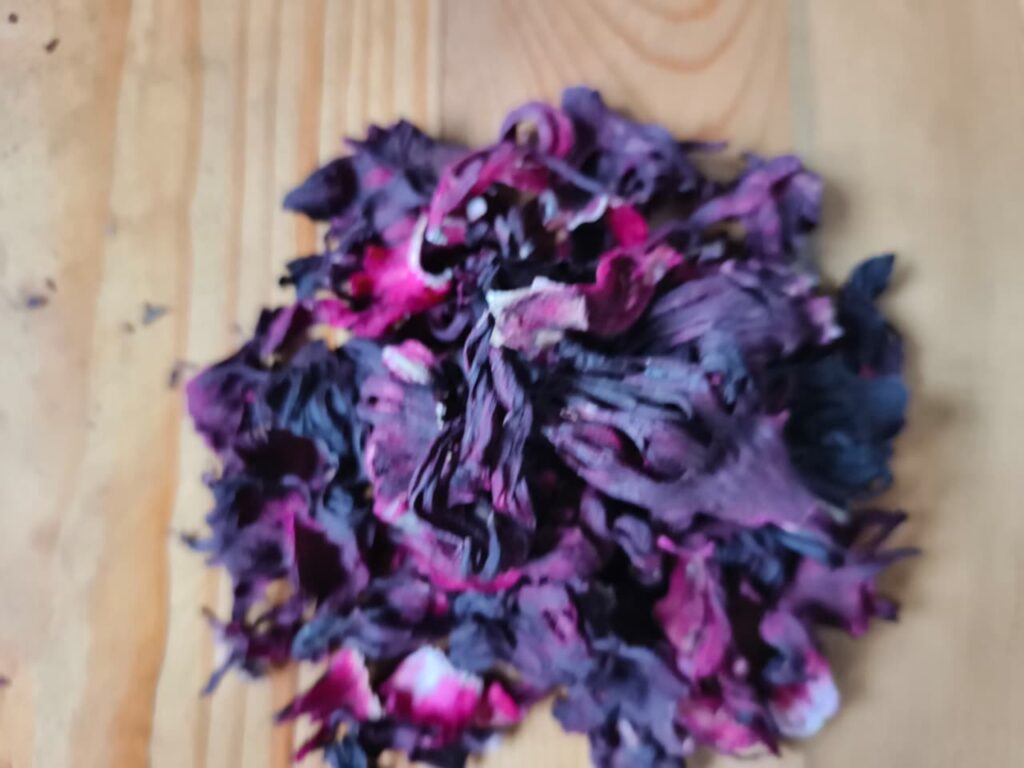
Across the world, the demand for natural and plant-based beverages continues to grow. Consumers are increasingly choosing drinks made from flowers, herbs, and fruits rather than artificial ingredients. Among these natural options, the hibiscus flower has emerged as one of the most popular botanical ingredients. Scientifically known as Hibiscus sabdariffa, hibiscus is widely used to create vibrant herbal drinks enjoyed in many cultures.
Its striking color, refreshing taste, and natural character have helped hibiscus gain global attention in the modern beverage industry.
The Botanical Nature of Hibiscus
Hibiscus is a tropical plant that grows best in warm climates with abundant sunlight. Farmers cultivate Hibiscus sabdariffa mainly for its fleshy red calyces, which form after the flower blooms.
Once the calyces mature, they are harvested and dried carefully. This drying process removes moisture while preserving the flower’s natural flavor and color. Properly dried hibiscus can be stored for long periods and transported safely to international markets.
Because of this durability, hibiscus has become a valuable crop for agricultural trade.
A Drink Loved Around the World
The most common use of hibiscus is in herbal beverages. When dried hibiscus calyces are infused in hot water, they release a deep red drink with a pleasantly tart and fruity flavor.
This refreshing drink can be served hot like herbal tea or chilled as a cooling beverage in warm climates. Many recipes also combine hibiscus with ingredients such as ginger, lemon, or mint to enhance the taste.
The natural acidity of hibiscus gives the drink a distinctive character that stands out among herbal infusions.
Cultural Traditions of Hibiscus Drinks
For centuries, hibiscus drinks have been part of everyday life in several regions of the world. Each culture has developed its own name and preparation method for the beverage.
In Nigeria and many West African countries, the drink is popularly called Zobo. In Egypt and Sudan it is widely known as Karkade, while in Mexico and other parts of Latin America it is referred to as Agua de Jamaica.
Although the names differ, these drinks share the same essential ingredient dried hibiscus calyces.
Natural Qualities That Attract Consumers
Hibiscus has gained attention not only for its taste but also for its natural plant compounds.
Antioxidant Compounds
Hibiscus contains anthocyanins that help protect cells from oxidative stress.
Supports Heart Health
Research suggests hibiscus tea may help support healthy blood pressure levels.
Vitamin C Content
The flower naturally contains vitamin C, which contributes to immune system support.
Naturally Caffeine-Free
Hibiscus tea provides a refreshing beverage without caffeine.
These natural qualities have helped hibiscus gain popularity among health-conscious consumers.
Hibiscus in International Supply Chains
As interest in herbal drinks continues to expand, hibiscus has become an important agricultural export. Beverage manufacturers, tea companies, and food producers depend on high-quality dried hibiscus flowers for their products.
To maintain global standards, hibiscus must be properly harvested, carefully dried, and securely packaged before export.
Export companies such as Ziha Universal Company Nig Limited contribute to this supply chain by providing premium dried hibiscus flowers to international buyers.
Conclusion
The hibiscus flower represents a perfect balance between tradition and modern consumer demand. Its vibrant color, refreshing flavor, and natural properties have made it a key ingredient in herbal beverages worldwide.
As more people turn to natural drinks and plant-based ingredients, hibiscus will continue to grow in importance within global food and beverage industries.
From traditional homemade drinks to modern beverage production, hibiscus remains a rising star in the world of herbal beverages.