
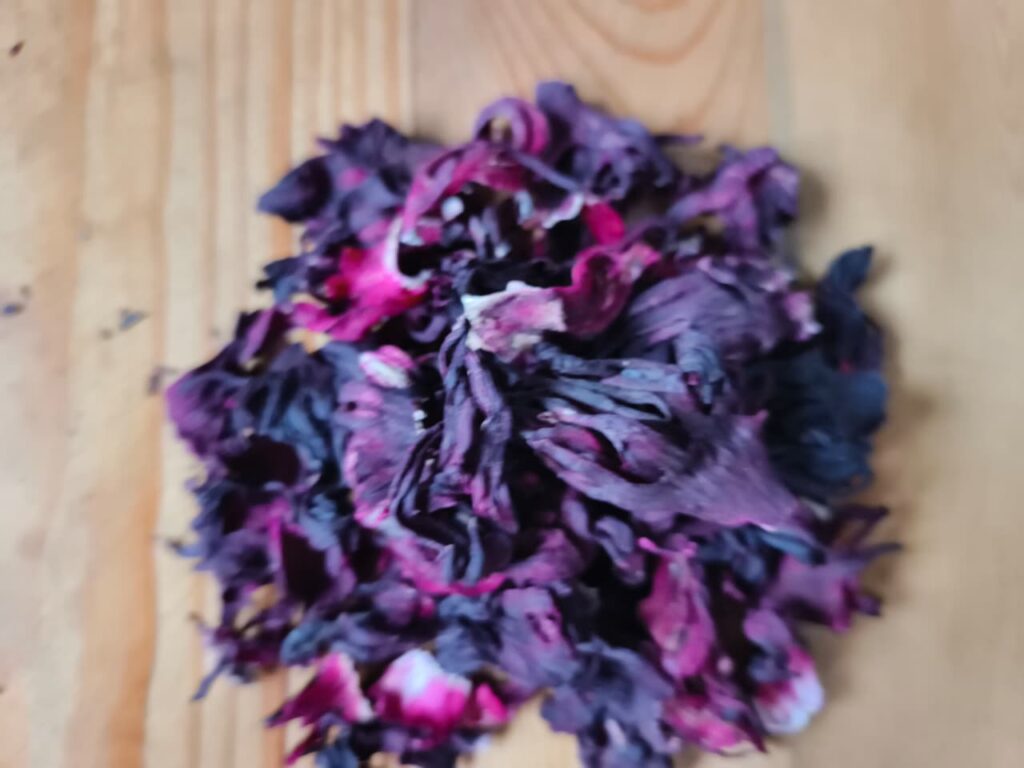
Around the world, natural plants continue to inspire new products in food, beverages, and wellness industries. Among these plants, the hibiscus flower has become especially important because of its versatility and vibrant character. Known scientifically as Hibiscus sabdariffa, hibiscus is widely recognized for its deep red color, refreshing tart flavor, and wide range of applications beyond traditional drinks.
While many people know hibiscus mainly as a herbal tea, the plant has many other valuable uses that make it a growing star in global agriculture and food innovation.
The Botanical Strength of Hibiscus
Hibiscus is a resilient tropical plant that grows well in warm climates with sufficient sunlight and moderate rainfall. Farmers cultivate Hibiscus sabdariffa mainly for the thick red calyces that form after the flower blooms.
These calyces are harvested once they reach maturity and are then dried carefully. Proper drying is essential to maintain the flower’s color, aroma, and natural compounds.
After drying, hibiscus calyces become a versatile raw ingredient used in many industries, from beverages to culinary products.
A Flower With Multiple Applications
Although hibiscus tea remains the most popular use, the flower’s potential extends far beyond a simple drink. Its natural acidity and vibrant color make it useful in many food and beverage applications.
Some of the most common uses include:
- Herbal teas and cold beverages
- Fruit syrups and flavored drinks
- Jams, jellies, and fruit preserves
- Natural food coloring
- Desserts and confectionery products
Because of these uses, hibiscus has become a valuable ingredient for chefs, beverage manufacturers, and food innovators.
A Distinctive and Refreshing Flavor
One of the key characteristics of hibiscus is its bold and refreshing taste. When infused in water, dried hibiscus calyces produce a deep ruby-red liquid with a pleasantly tart flavor.
This taste is often compared to cranberry, making hibiscus drinks refreshing and slightly fruity. The flavor pairs well with ingredients such as ginger, citrus fruits, mint, and honey.
These combinations have helped hibiscus become a favorite base for creative beverage recipes around the world.
Natural Nutritional Value
Hibiscus is appreciated not only for its flavor but also for its natural plant compounds.
Antioxidant Compounds
Hibiscus contains anthocyanins that help protect cells from oxidative stress.
Cardiovascular Support
Many studies suggest that hibiscus tea may help support healthy blood pressure levels.
Vitamin C Content
The plant provides vitamin C, which contributes to a strong immune system.
Naturally Caffeine-Free
Hibiscus tea contains no caffeine, making it suitable for people who prefer non-stimulant beverages.
These qualities have increased its popularity among consumers seeking healthier drink options.
Growing Importance in Global Trade
As demand for natural and plant-based products grows, hibiscus has become an important agricultural export. Dried hibiscus flowers are now used by tea producers, beverage companies, and food manufacturers around the world.
Maintaining high quality is essential for international trade. Proper harvesting, drying, cleaning, and packaging ensure that hibiscus meets the expectations of global buyers.
Companies such as Ziha Universal Company Nig Limited play an important role in supplying premium dried hibiscus flowers to international markets.
Conclusion
Hibiscus is far more than just a herbal tea ingredient. Its versatility, refreshing taste, and natural properties make it one of the most valuable botanical products in modern food and beverage industries.
As consumers continue to explore natural ingredients and plant-based products, hibiscus will remain an important crop supporting farmers, businesses, and global markets.
From traditional drinks to modern culinary innovation, the hibiscus flower continues to demonstrate its remarkable value and worldwide appeal.