
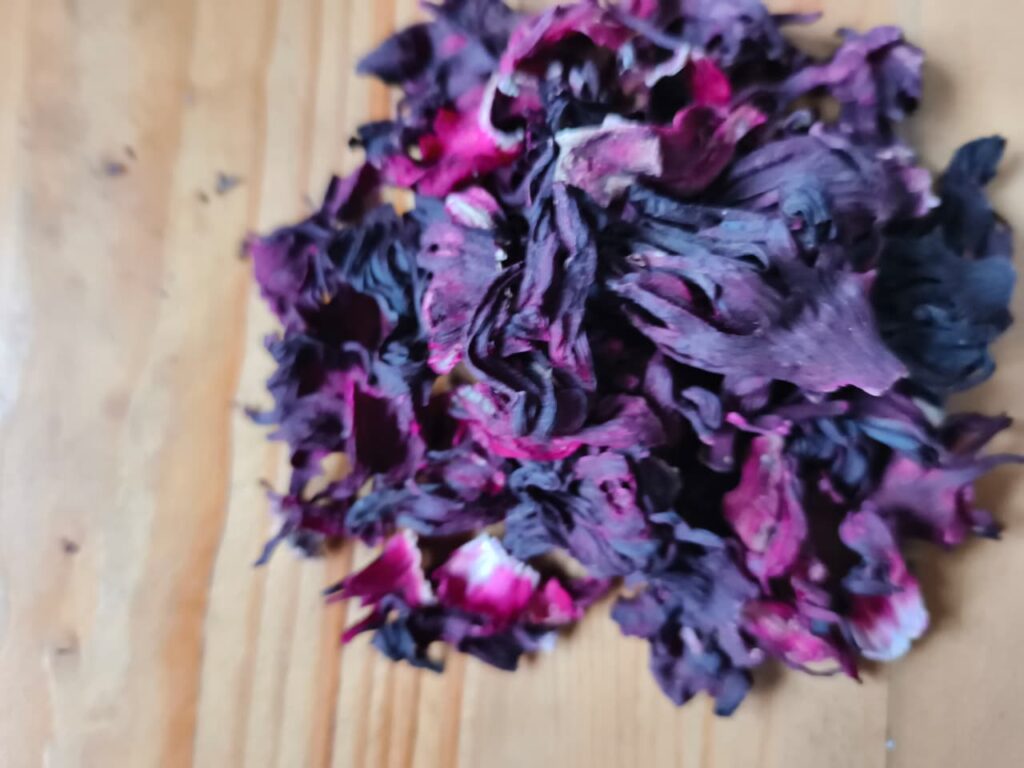
Around the world, natural herbal drinks are becoming more popular as people seek healthier and more refreshing alternatives to artificial beverages. Among the many plants used for these drinks, the hibiscus flower has earned a special place. Scientifically known as Hibiscus sabdariffa, hibiscus is widely recognized for its bright red color, refreshing flavor, and wide range of uses in the food and beverage industry.
Today, hibiscus is not only a traditional drink ingredient but also a valuable agricultural product traded across international markets.
Cultivation of the Hibiscus Plant
Hibiscus grows best in tropical and subtropical climates where temperatures remain warm and sunlight is abundant. Farmers cultivate Hibiscus sabdariffa primarily for its fleshy red calyces, which develop after the flower blooms.
Once the calyces mature, they are carefully harvested by farmers. The harvested calyces are then dried under controlled conditions to preserve their natural color, flavor, and nutritional content.
After drying, hibiscus becomes suitable for packaging, processing, and export to various parts of the world.
Processing Hibiscus for Consumption
The journey of hibiscus from farm to consumer involves several important steps. After harvesting, the calyces are sorted to remove unwanted materials such as stems and leaves.
They are then properly cleaned and dried to achieve the desired moisture level. This process helps maintain the quality and shelf life of the product.
Once dried, hibiscus calyces can be used directly to prepare herbal tea or processed into different products such as syrups, extracts, beverages, and natural colorants.
A Refreshing Herbal Beverage
Hibiscus tea is one of the most popular ways to enjoy the flower. When dried hibiscus calyces are steeped in hot water, they release a rich red infusion with a pleasantly tart taste.
This refreshing flavor makes hibiscus drinks suitable for both hot and cold preparations. The drink is often sweetened with sugar or honey and sometimes blended with spices or fruit flavors.
Another advantage of hibiscus tea is that it is naturally caffeine-free, making it a refreshing beverage option for people of all ages.
Cultural Traditions Around Hibiscus Drinks
Hibiscus beverages are deeply connected to the cultural traditions of many countries. Different regions have developed unique names for their hibiscus-based drinks.
In Nigeria and several West African countries, the drink is commonly known as Zobo. In Egypt and Sudan it is widely referred to as Karkade, while in Mexico and parts of Latin America it is called Agua de Jamaica.
Although the names and preparation styles differ, the core ingredient remains the same: dried hibiscus calyces.
Natural Nutritional Properties
In addition to its refreshing taste, hibiscus contains several natural compounds that contribute to its popularity.
Antioxidants
Hibiscus contains anthocyanins that help protect cells from oxidative stress.
Heart Health Support
Hibiscus tea is often associated with supporting healthy blood pressure levels.
Vitamin C
The plant contains vitamin C, which helps strengthen the immune system.
Natural Hydration
Since hibiscus tea contains no caffeine, it offers a refreshing and healthy way to stay hydrated.
These properties have helped hibiscus gain attention in the global health and wellness market.
Hibiscus and International Trade
The growing global demand for herbal beverages has made hibiscus an important export product. Dried hibiscus flowers are used by beverage manufacturers, tea producers, and food industries worldwide.
To meet international standards, hibiscus must be carefully harvested, dried, cleaned, and packaged before export.
Companies such as Ziha Universal Company Nig Limited contribute to the global supply chain by providing high-quality dried hibiscus flowers to international buyers and partners.
Conclusion
The journey of hibiscus from farm to cup demonstrates the value of this remarkable flower. Its vibrant color, refreshing taste, and natural benefits have made it one of the most popular ingredients in herbal beverages around the world.
As consumers continue to seek natural and plant-based products, hibiscus will remain an important crop supporting farmers, exporters, and the global beverage industry.
From traditional farms to international markets, hibiscus continues to grow as a symbol of natural flavor and global trade.