
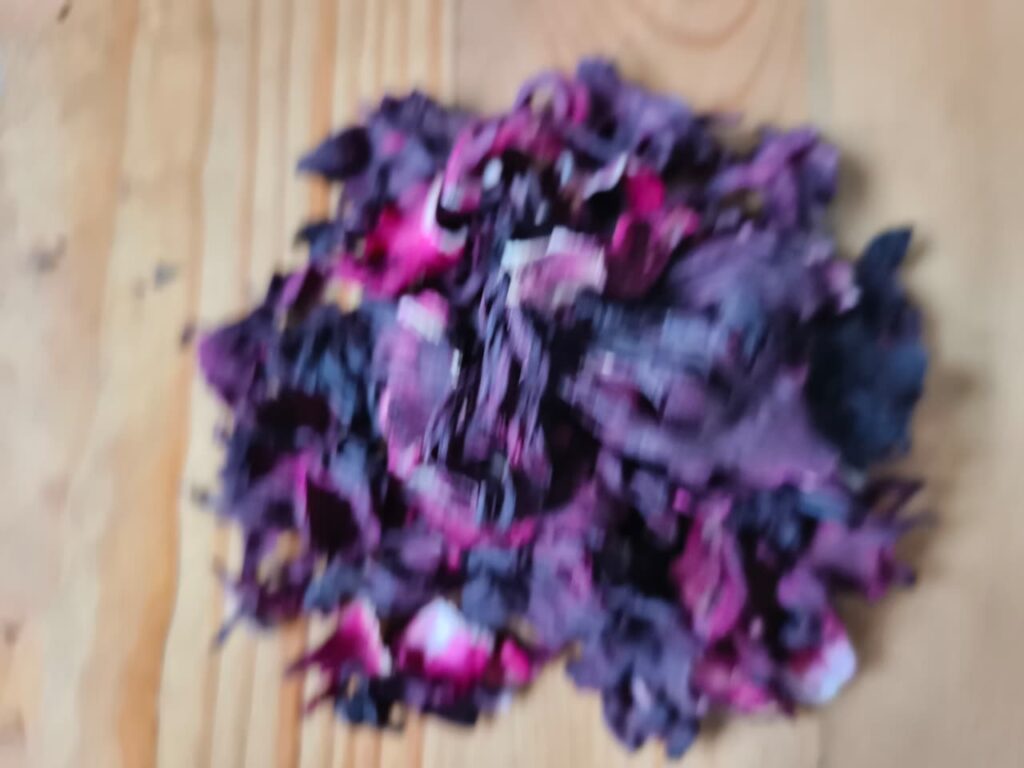
Across the world, the demand for herbal drinks and natural ingredients is growing rapidly. Consumers are increasingly choosing beverages made from plants rather than artificial ingredients. One flower that has gained global recognition in this movement is hibiscus. Scientifically known as Hibiscus sabdariffa, hibiscus has become an essential ingredient in traditional drinks and modern wellness products.
With its vibrant red color and refreshing tart taste, hibiscus has successfully moved from local traditions to international markets.
The Botanical Identity of Hibiscus
Hibiscus is a tropical plant that thrives in warm climates and fertile soils. While the hibiscus genus contains many decorative species, Hibiscus sabdariffa is specifically cultivated for food and beverage use.
After the flower blooms, a thick red structure known as the calyx forms around the base of the flower. These calyces are harvested at maturity and then carefully dried. The drying process preserves their color, flavor, and nutritional compounds.
Once dried, hibiscus becomes a versatile ingredient widely used in teas, juices, extracts, and natural food coloring.
The Flavor That Made Hibiscus Famous
One of the main reasons hibiscus has become so popular is its unique flavor. The dried calyces produce a bright red infusion with a slightly sour taste similar to cranberries.
This refreshing flavor makes hibiscus an excellent base for herbal drinks. Many people enjoy hibiscus tea both hot and cold, often sweetened with sugar, honey, or natural fruit flavors.
Because it is naturally caffeine-free, hibiscus tea is also an appealing alternative to coffee and other caffeinated beverages.
A Drink Known by Many Names
Hibiscus beverages have deep cultural roots and are known by different names across the world.
In West Africa, especially Nigeria, the drink is widely known as Zobo. In Egypt and Sudan it is called Karkade, while in Mexico and several Latin American countries it is popularly known as Agua de Jamaica.
Despite the different names and preparation styles, these beverages share the same vibrant color and refreshing taste that make hibiscus instantly recognizable.
Nutritional Value of Hibiscus
Beyond its appealing flavor, hibiscus is also appreciated for its natural health-supporting properties.
Antioxidant Content
Hibiscus contains anthocyanins and other plant compounds that help protect the body from oxidative stress.
Supports Heart Health
Hibiscus tea is often associated with supporting healthy blood pressure and promoting cardiovascular wellness.
Rich in Vitamin C
The flower contains vitamin C, which helps strengthen the immune system.
Hydrating and Refreshing
Because hibiscus drinks are naturally caffeine-free, they provide a refreshing way to stay hydrated throughout the day.
These qualities have helped hibiscus become a popular ingredient in the global wellness market.
Hibiscus in the Global Supply Chain
As demand for herbal beverages grows, hibiscus has become an important commodity in international trade. Dried hibiscus flowers are now exported to many countries and used in a wide variety of food and beverage products.
Maintaining product quality is essential in this market. Proper harvesting, drying, cleaning, and packaging ensure that hibiscus meets international standards.
Export companies such as Ziha Universal Company Nig Limited help connect hibiscus producers with buyers around the world by supplying carefully processed dried hibiscus flowers to international markets.
Conclusion
The journey of hibiscus from a traditional herbal drink to a globally recognized ingredient highlights the growing importance of natural products in modern lifestyles.
Its bright color, refreshing flavor, and beneficial properties have made hibiscus one of the most popular botanical ingredients in the beverage industry.
As consumers continue to seek healthier and more natural drink options, hibiscus will remain an important flower in both cultural traditions and international trade.