
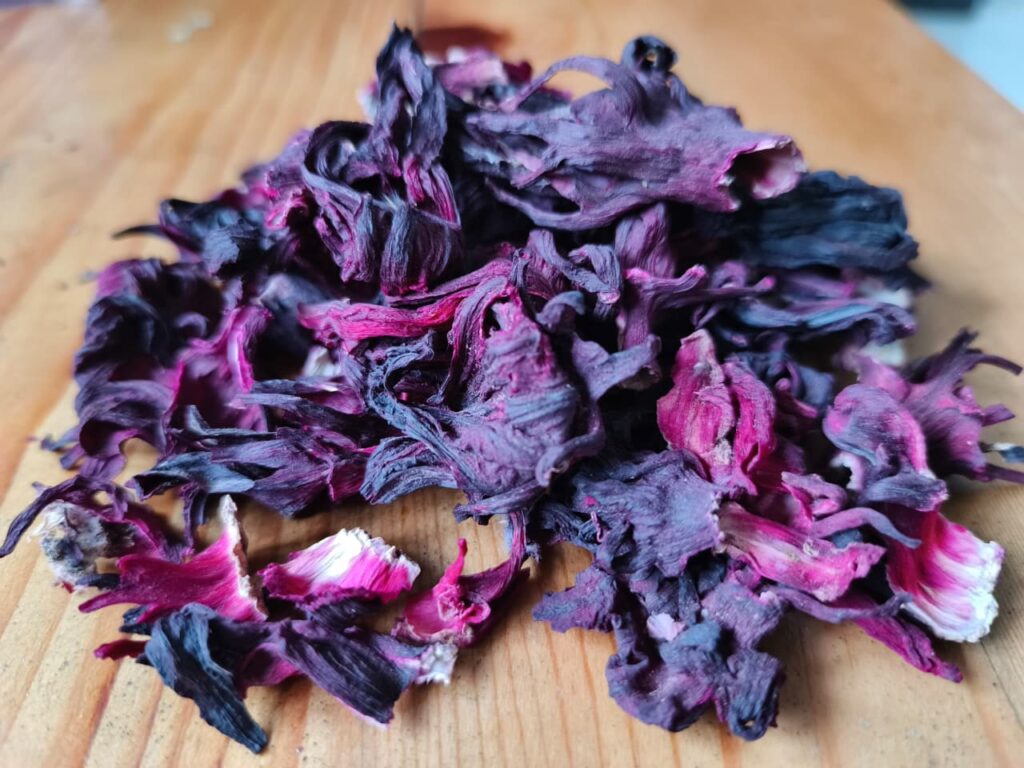
In the modern world of natural health and organic products, few plants have captured global attention quite like the hibiscus flower. Known scientifically as Hibiscus sabdariffa, hibiscus has evolved from a traditional herbal ingredient into a highly demanded commodity in international markets.
Recognized for its deep red color, refreshing tart taste, and powerful health properties, hibiscus has become a staple in herbal teas, wellness products, and natural food industries worldwide.
A Plant Rooted in Tradition
For centuries, hibiscus has played an important role in the cultural and medicinal traditions of many regions. In Africa, the Middle East, and parts of Asia, people have long used hibiscus as a natural remedy and refreshing beverage.
The plant produces bright red calyces that are harvested after flowering. These calyces are carefully dried and later used to prepare drinks, herbal infusions, and extracts. Once dried, hibiscus develops its distinctive ruby-red color and tangy flavor that many people compare to cranberries.
Because the plant thrives in warm climates, it is widely cultivated across tropical regions where it serves both local consumption and export markets.
The Health Power of Hibiscus
One of the key reasons hibiscus has gained worldwide popularity is its remarkable health profile. Packed with natural nutrients and antioxidants, hibiscus offers several potential wellness benefits.
Supports Heart Health
Studies suggest that hibiscus tea may help maintain healthy blood pressure levels and support cardiovascular function.
High in Antioxidants
The flower contains powerful compounds such as anthocyanins that help fight oxidative stress and protect the body from cellular damage.
Boosts Immunity
Hibiscus is rich in vitamin C and other nutrients that help strengthen the immune system and support the body’s natural defense mechanisms.
Promotes Digestive Balance
In traditional herbal practices, hibiscus has been used to assist digestion and support metabolic health.
A Beverage Loved Across Continents
Hibiscus tea is one of the most widely consumed herbal drinks in the world. Different cultures have their own names for this vibrant beverage.
In Nigeria and other parts of West Africa, it is known as Zobo. In Sudan and Egypt, it is called Karkade. In Mexico and parts of Latin America, it is famously known as Agua de Jamaica.
Despite the different names, the drink shares the same refreshing qualities. It is naturally caffeine-free, making it an excellent option for people seeking a healthy alternative to coffee or sugary soft drinks.
Hibiscus in the Global Economy
Beyond its cultural and health value, hibiscus has become an increasingly important product in international trade. The global demand for herbal teas, organic ingredients, and natural health products has driven a surge in hibiscus consumption.
Food manufacturers, pharmaceutical companies, and cosmetic brands all utilize hibiscus for its color, flavor, and beneficial properties.
Companies like Ziha Universal Company Nig Limited play a vital role in supplying premium-quality dried hibiscus flowers to international markets. Through proper harvesting, cleaning, sorting, and packaging processes, reliable suppliers ensure that hibiscus meets the strict standards required for global export.
A Crop with a Promising Future
Hibiscus cultivation offers promising opportunities for farmers and exporters. The crop grows efficiently in warm climates and can be cultivated with relatively simple agricultural practices.
As consumer awareness of natural health continues to expand, the demand for hibiscus-based products is expected to increase significantly in the coming years.
This growing demand not only benefits international buyers but also supports agricultural communities involved in hibiscus production.
Final Thoughts
The hibiscus flower represents a powerful intersection of tradition, health, and global commerce. What began as a simple herbal drink in many cultures has now transformed into a globally traded natural product with immense value.
With its striking color, refreshing taste, and impressive health properties, hibiscus continues to capture the interest of consumers, researchers, and businesses alike.
As the world moves toward more natural and sustainable products, the future of hibiscus looks brighter than ever. The humble hibiscus flower has truly become one of the most remarkable botanical treasures of our time.