
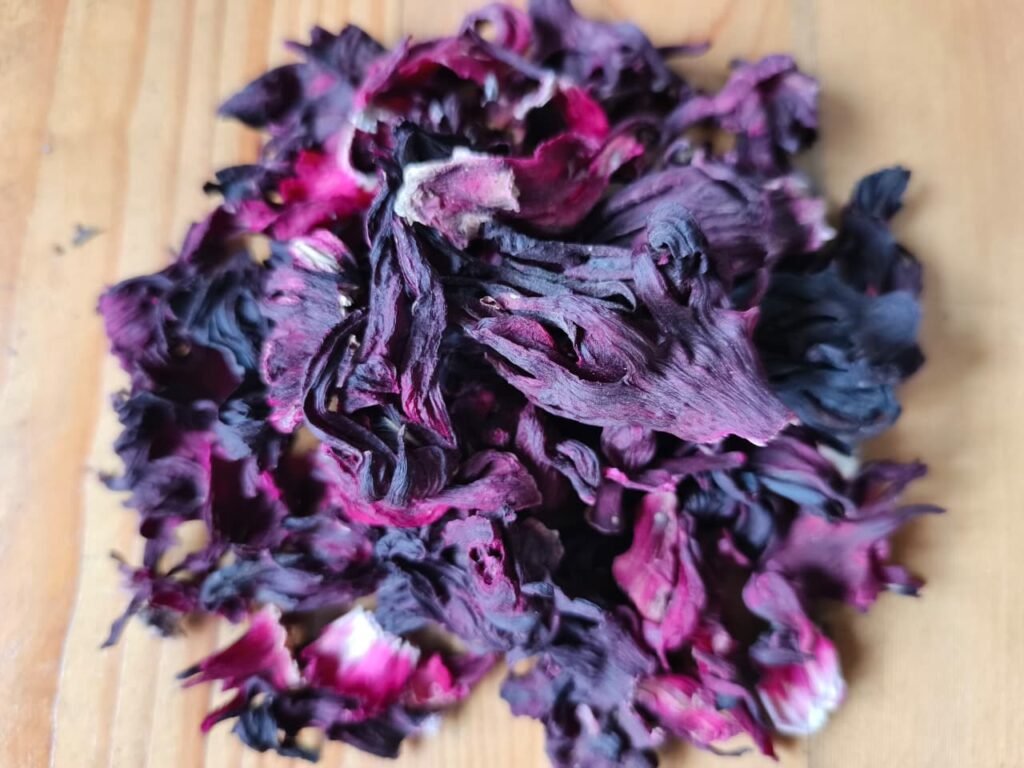
In recent years, the global demand for natural and plant-based products has grown rapidly. Among the many botanical ingredients gaining attention, the hibiscus flower stands out as one of the most valuable and versatile plants in the world. Scientifically known as Hibiscus sabdariffa, hibiscus has long been used in traditional medicine, herbal beverages, and food preparation.
Today, it has expanded far beyond its traditional roots and become a key ingredient in the global health, beverage, and cosmetic industries.
The Unique Nature of the Hibiscus Plant
Hibiscus is a tropical flowering plant belonging to the Malvaceae family. While there are hundreds of species, Hibiscus sabdariffa is the most widely cultivated for commercial use. What makes this plant particularly valuable is its fleshy red calyx, which is harvested after the flower blooms.
Once dried, the calyces develop a deep ruby color and a pleasantly tart flavor similar to cranberries. These dried petals are then used in a variety of products, including herbal teas, beverages, food ingredients, dietary supplements, and skincare formulations.
Because of its adaptability to warm climates, hibiscus is widely cultivated in Africa, Asia, and parts of Latin America.
A Natural Source of Powerful Nutrients
Hibiscus is not only appreciated for its flavor and color but also for its impressive nutritional profile. It contains several beneficial compounds that contribute to overall health and wellness.
Rich in Antioxidants
The bright red color of hibiscus comes from anthocyanins, powerful antioxidants that help protect the body from free radicals. These compounds support cellular health and may help reduce inflammation.
Supports Heart Health
One of the most widely studied benefits of hibiscus is its potential to support cardiovascular health. Many people consume hibiscus tea to help maintain healthy blood pressure and cholesterol levels.
Strengthens the Immune System
Hibiscus contains vitamin C and other natural nutrients that help boost the body’s immune defenses and support overall vitality.
Aids Natural Detoxification
Traditional herbal practices often use hibiscus to support the body’s natural detox process, particularly for liver health and fluid balance.
A Global Cultural Beverage
Across the world, hibiscus is enjoyed as a refreshing drink with many cultural variations.
In West Africa, especially Nigeria, the beverage is widely known as Zobo. In North Africa and the Middle East, it is called Karkade, while in Mexico and Central America it is known as Agua de Jamaica.
Despite the different names, the drink remains beloved for its refreshing taste, deep red color, and natural health benefits. Since hibiscus tea is caffeine-free, it is often preferred by people looking for a healthier alternative to coffee or sugary drinks.
Hibiscus and the Growing International Trade
The rising popularity of herbal teas and natural products has significantly increased global demand for dried hibiscus flowers. As a result, hibiscus has become an important agricultural export product for several countries.
High-quality dried hibiscus is widely used by beverage manufacturers, herbal medicine producers, and food processing companies around the world.
Exporters such as Ziha Universal Company Nig Limited contribute to this growing market by supplying carefully processed and properly packaged hibiscus products to international buyers. By maintaining high standards in harvesting, drying, cleaning, and packaging, suppliers help ensure that hibiscus meets global food safety and quality requirements.
A Promising Crop for the Future
Hibiscus farming is increasingly seen as a sustainable agricultural opportunity. The plant grows well in tropical and semi-tropical climates and requires relatively moderate farming inputs.
For many farming communities, hibiscus cultivation provides a reliable source of income and an opportunity to participate in international trade. As global awareness of natural wellness products continues to rise, the demand for hibiscus is expected to grow even further.
Conclusion
The hibiscus flower is far more than an ornamental plant. It is a powerful natural ingredient with deep cultural roots, significant health benefits, and strong commercial value.
From herbal tea cups to international export markets, hibiscus continues to connect tradition with modern industry. As consumers increasingly turn toward natural products and plant-based wellness solutions, hibiscus is positioned to remain one of the world’s most important botanical resources.
In the evolving landscape of global health and agriculture, the hibiscus flower stands as a symbol of nature’s ability to provide both nourishment and opportunity.