
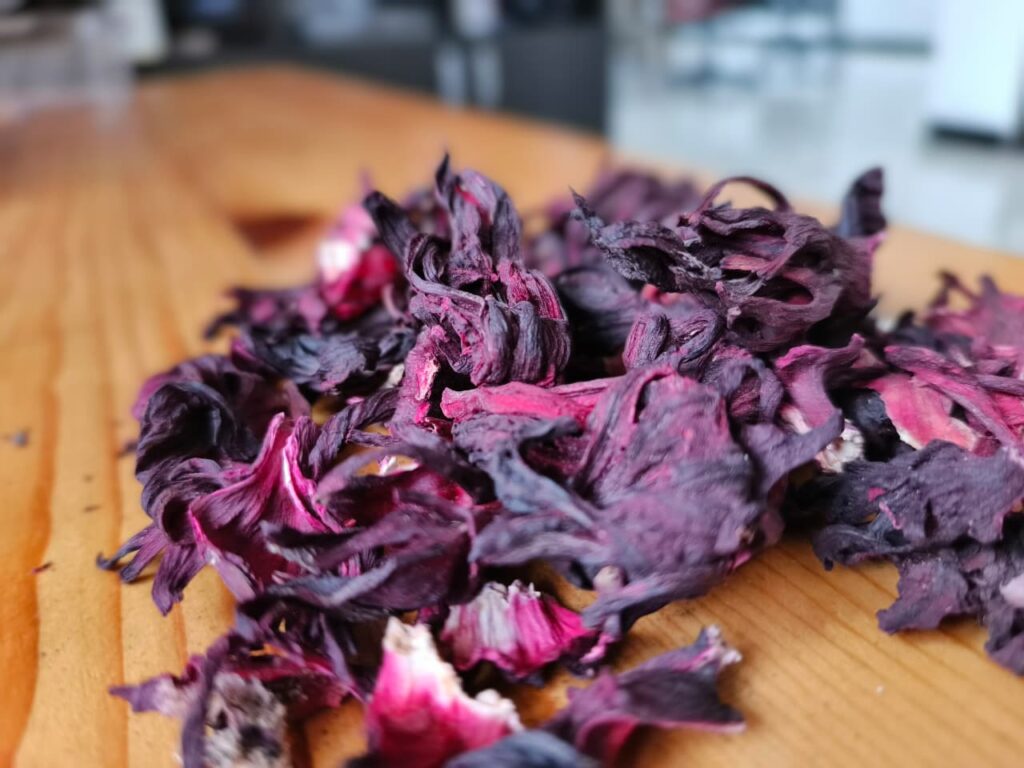
Across cultures and continents, few flowers have achieved the global recognition of hibiscus. With its striking crimson color, refreshing tart flavor, and impressive health profile, hibiscus has evolved from a traditional herbal ingredient into one of the most sought-after botanical commodities in the modern world.
Today, hibiscus plays a significant role not only in herbal wellness but also in international agricultural trade, natural food production, and functional beverages.
The Botanical Story of Hibiscus
Hibiscus belongs to the plant genus Hibiscus, which includes hundreds of flowering species found mainly in tropical and subtropical regions. Among these, the most commercially valuable is Hibiscus sabdariffa.
This species is cultivated primarily for its vibrant red calyces the thick, fleshy structures surrounding the seed pod. After harvesting, the calyces are dried under controlled conditions to preserve their natural color, acidity, and nutritional compounds. Once dried, they become the raw material used for teas, powders, extracts, and a wide variety of food products.
Because the plant adapts well to warm climates, hibiscus cultivation is common in several agricultural regions around the world.
A Nutritional Powerhouse
One of the reasons hibiscus continues to gain global attention is its remarkable nutritional composition.
Rich in Antioxidants
Hibiscus contains anthocyanins and flavonoids powerful plant compounds known for their antioxidant properties. These help protect the body against oxidative stress and support general wellness.
Heart Health Support
Hibiscus tea has been widely studied for its potential role in maintaining healthy blood pressure levels and supporting cardiovascular health.
Immune-Boosting Properties
The flower contains vitamin C and other beneficial nutrients that help strengthen the immune system.
A Naturally Refreshing Beverage
Hibiscus tea offers a vibrant flavor profile and is naturally caffeine-free, making it a refreshing alternative to many commercial drinks.
Expanding Applications in Modern Industries
Beyond its traditional role as a herbal tea, hibiscus has become a versatile ingredient used in many industries.
Today, hibiscus is found in:
- Herbal teas and ready-to-drink beverages
- Natural food colorants and flavorings
- Jams, syrups, and confectionery products
- Skincare and cosmetic formulations
- Nutraceutical and dietary supplements
Its versatility has significantly increased its value in global markets.
The Growing Global Market
The demand for dried hibiscus continues to grow as consumers increasingly seek natural and plant-based ingredients. Major importing regions include Europe, North America, the Middle East, and Asia.
To compete in international markets, premium hibiscus products must meet strict quality standards such as:
- Deep natural red color
- Low moisture content
- Minimal foreign matter
- Hygienic processing and packaging
Suppliers who maintain high standards of quality and consistency are better positioned to establish strong relationships with global buyers.
A Crop with Strong Economic Potential
For farmers and agribusinesses, hibiscus offers a promising opportunity. The crop thrives in warm climates and can be cultivated with relatively moderate agricultural inputs.
Key advantages of hibiscus farming include:
- Rising international demand
- Long shelf life when properly dried
- Diverse commercial applications
- Opportunities for value-added products
These factors make hibiscus an attractive crop for export-oriented agriculture.
The Future of the Hibiscus Industry
As global interest in natural wellness products continues to grow, hibiscus is becoming increasingly important in the botanical marketplace. Its combination of health benefits, vibrant appearance, and commercial versatility positions it as a leading ingredient in the future of herbal and functional foods.
What was once a traditional herbal plant is now a global agricultural asset.
The hibiscus flower is not only beautiful it is a powerful symbol of how nature, health, and international trade can come together to create lasting value.