
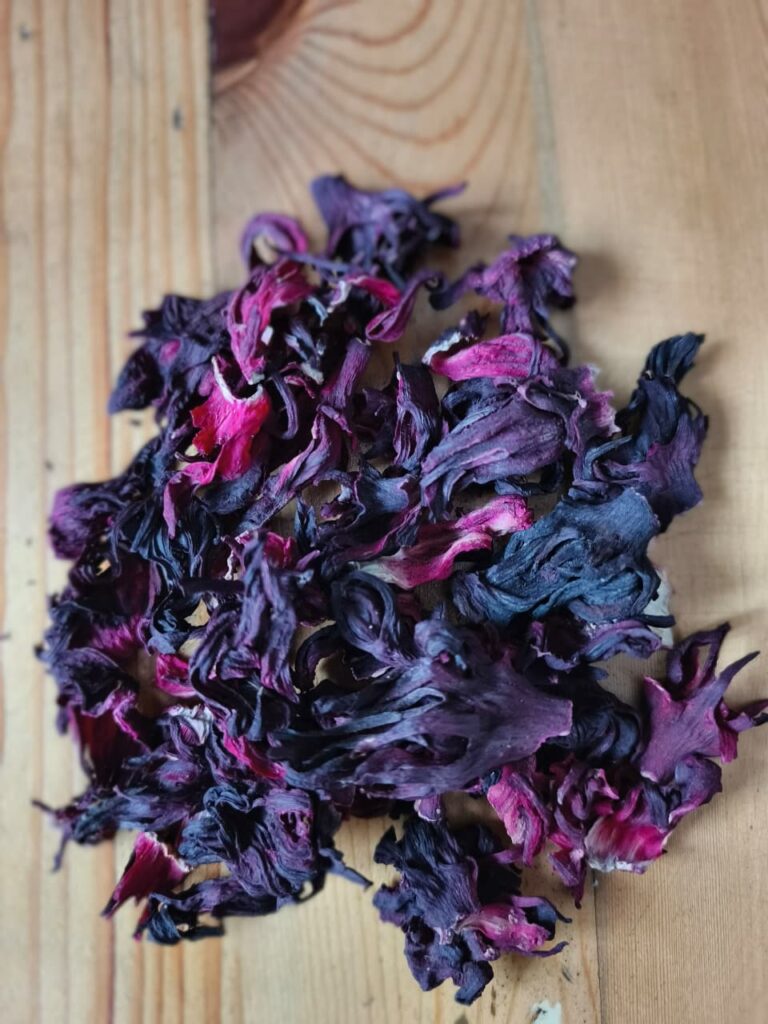
In the modern era of wellness and natural living, botanical ingredients are gaining significant global attention. Among these, the hibiscus flower has emerged as one of the most valuable and widely recognized plants. With its striking red color and naturally refreshing flavor, hibiscus has evolved from a traditional herbal drink into a globally traded agricultural product.
Today, hibiscus plays an important role in the food, beverage, health, and cosmetic industries, making it one of the most versatile botanical ingredients available.
The Botanical Profile of Hibiscus
Hibiscus belongs to the genus Hibiscus, a group of flowering plants that grow mainly in tropical and subtropical regions. Among the many species within this genus, Hibiscus sabdariffa is the most widely cultivated for commercial purposes.
This plant is grown primarily for its bright red calyces, which surround the seed pod. After harvesting, the calyces are carefully dried to preserve their color, flavor, and beneficial nutrients. These dried parts are then processed into herbal teas, powders, extracts, and other natural ingredients used across various industries.
Because hibiscus grows well in warm climates, it is cultivated in many agricultural regions across Africa, Asia, and Latin America.
Health-Supporting Properties
Hibiscus is valued not only for its unique taste but also for its nutritional benefits.
Antioxidant-Rich Composition
Hibiscus contains powerful antioxidants such as anthocyanins and polyphenols. These compounds help protect cells from oxidative stress and support overall health.
Cardiovascular Wellness
Research has explored the potential role of hibiscus tea in helping maintain healthy blood pressure levels, making it a popular herbal beverage worldwide.
Immune System Support
With its natural vitamin C content, hibiscus contributes to strengthening the body’s immune defenses.
Naturally Caffeine-Free Beverage
Hibiscus tea offers a refreshing drink option without caffeine, making it suitable for daily consumption.
Expanding Industrial Applications
One of the key strengths of hibiscus is its versatility. Today, it is widely used in multiple industries, including:
- Herbal tea and functional beverages
- Food production such as jams, syrups, and sauces
- Natural coloring and flavoring agents
- Skincare and cosmetic products
- Nutritional supplements and herbal extracts
This wide range of uses continues to drive global demand for high-quality hibiscus products.
Growing Importance in International Trade
The global market for dried hibiscus has expanded significantly as consumers seek natural and plant-based ingredients. Major importing regions include Europe, North America, the Middle East, and Asia.
To meet international standards, premium hibiscus should have:
- A deep natural red color
- Proper drying and low moisture content
- Minimal foreign matter
- Clean and hygienic packaging
Suppliers who maintain strict quality control and reliable logistics can establish strong partnerships with international buyers.
Economic Opportunities in Hibiscus Farming
Hibiscus cultivation offers valuable opportunities for farmers and agribusiness investors. The plant adapts well to warm climates and can provide sustainable income in many agricultural regions.
Its advantages include:
- Increasing global demand
- Relatively low production cost
- Long shelf life when properly dried
- Multiple product applications
With effective cultivation and post-harvest handling, hibiscus can become a profitable export commodity.
Conclusion
The hibiscus flower represents the powerful combination of natural beauty, health value, and economic potential. From traditional herbal drinks to modern wellness products, its versatility continues to attract global attention.
As the demand for natural and sustainable ingredients grows, hibiscus is set to remain an important botanical resource in the future of health, agriculture, and international trade.