
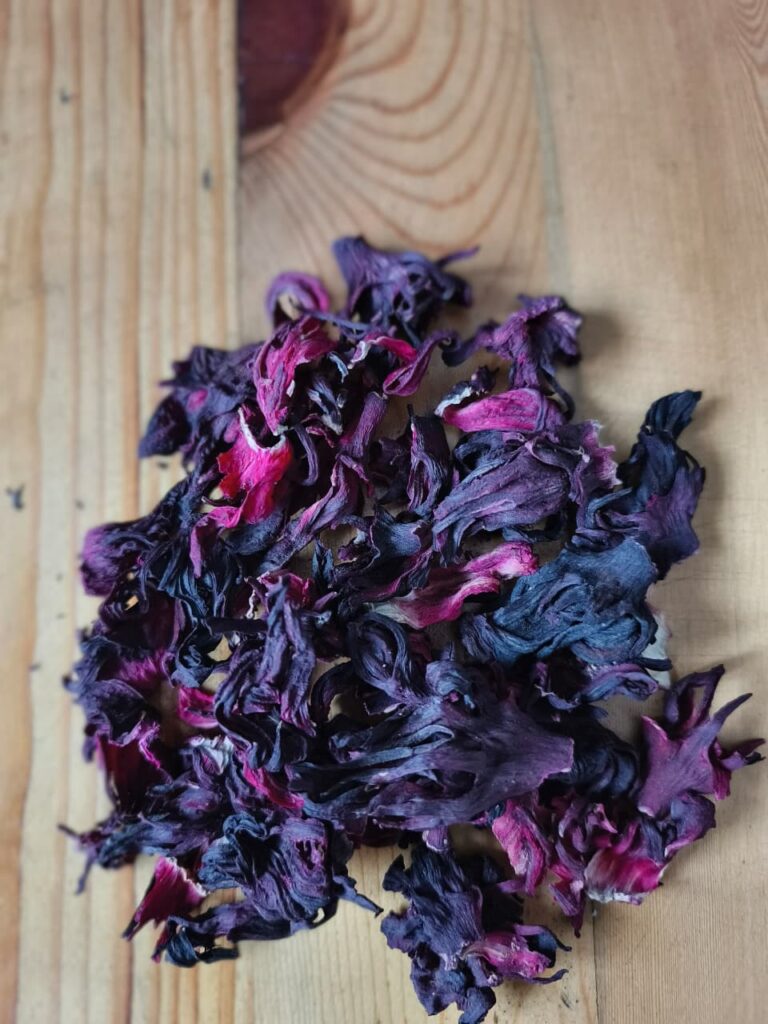
In today’s world, where consumers are increasingly drawn to natural and plant-based products, the hibiscus flower has become a symbol of both wellness and opportunity. Known for its vibrant red color and refreshing tart flavor, hibiscus has moved far beyond traditional herbal use. It is now a key ingredient in beverages, health products, and international agricultural trade.
From local farms to global markets, hibiscus continues to gain recognition as a valuable botanical resource.
The Botanical Identity of Hibiscus
Hibiscus belongs to the genus Hibiscus, which includes hundreds of species of flowering plants found in tropical and subtropical regions. Among them, Hibiscus sabdariffa is the most widely cultivated for commercial purposes.
This species is grown primarily for its fleshy red calyces. After harvesting, the calyces are dried carefully to preserve their natural color and flavor. These dried parts are then used to produce herbal teas, powders, extracts, and various food ingredients that are distributed around the world.
Because of its adaptability to warm climates, hibiscus is cultivated in many agricultural regions across Africa, Asia, and Latin America.
Nutritional Value and Health Benefits
Hibiscus is appreciated not only for its flavor but also for its rich nutritional profile.
Powerful Antioxidant Properties
Hibiscus contains natural antioxidants such as anthocyanins and flavonoids. These compounds help protect the body from oxidative stress and support long-term health.
Supporting Heart Health
Hibiscus tea is widely studied for its potential to support healthy blood pressure levels and promote cardiovascular wellness.
Strengthening the Immune System
The presence of vitamin C and other beneficial plant compounds contributes to stronger immune defenses.
A Naturally Refreshing Beverage
Hibiscus tea is caffeine-free and offers a refreshing taste that can be enjoyed both hot and cold.
Versatile Applications Across Industries
The growing popularity of hibiscus is largely due to its versatility. Today, it is used in several industries:
- Herbal tea and beverage production
- Food processing, including jams and syrups
- Natural colorants and flavoring agents
- Cosmetic and skincare formulations
- Nutritional supplements and herbal extracts
These diverse applications continue to expand the global demand for hibiscus.
Hibiscus in the Global Market
The international market for dried hibiscus has grown steadily in recent years. Countries in Europe, North America, the Middle East, and Asia import large quantities for use in beverages and natural health products.
High-quality export-grade hibiscus typically meets the following standards:
- Deep natural red color
- Proper drying with low moisture content
- Minimal foreign materials
- Clean and hygienic packaging
Maintaining these standards helps suppliers build trust with international buyers and secure long-term trade partnerships.
Economic Opportunities for Farmers and Exporters
Hibiscus cultivation offers promising opportunities for farmers and agribusiness companies. The crop adapts well to warm climates and requires relatively moderate production inputs.
Its advantages include:
- Increasing global demand
- Multiple commercial applications
- Good shelf life after drying
- Opportunities for value-added products
These factors make hibiscus an attractive crop for both local economies and international export businesses.
Conclusion
The hibiscus flower is much more than a beautiful plant. It represents a powerful connection between nature, health, and global commerce. With its nutritional benefits, versatile applications, and expanding market demand, hibiscus continues to play an important role in the modern natural products industry.
As consumers around the world seek healthier and more sustainable choices, hibiscus stands out as a botanical with remarkable potential for the future.