
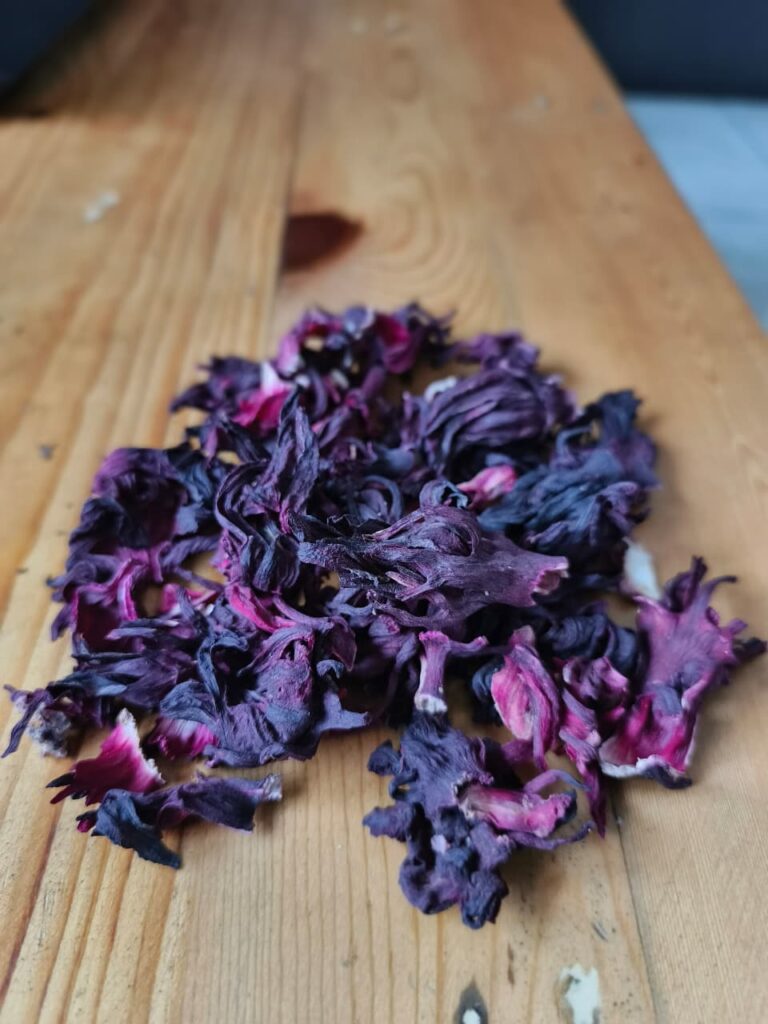
In the expanding world of natural foods and herbal wellness, few plants have achieved the international recognition of hibiscus. With its deep crimson color, distinctive tart flavor, and impressive range of applications, hibiscus has transformed from a traditional herbal plant into a valuable global commodity.
Today, hibiscus is widely used in beverages, food products, cosmetics, and health supplements, making it one of the most versatile botanical ingredients in the modern market.
The Botanical Origin of Hibiscus
Hibiscus is part of the genus Hibiscus, a large group of flowering plants found mainly in tropical and subtropical environments. Among the many species, Hibiscus sabdariffa stands out as the most commercially important.
This particular species is cultivated primarily for its fleshy red calyces. After harvesting, the calyces are carefully dried to preserve their color, flavor, and nutritional value. These dried parts are then used to produce herbal teas, powders, extracts, and various natural food ingredients.
Because of its adaptability, hibiscus is widely grown in regions across Africa, Asia, and Central America.
Nutritional Strength of the Hibiscus Flower
Hibiscus is valued not only for its taste but also for its nutritional and functional properties.
A Powerful Source of Antioxidants
Hibiscus contains natural antioxidants such as anthocyanins and polyphenols. These compounds help protect the body’s cells from oxidative damage and support overall wellness.
Supporting Cardiovascular Health
Hibiscus tea has been widely researched for its potential ability to support healthy blood pressure levels, making it a popular choice among health-conscious consumers.
Naturally Caffeine-Free
Unlike many commercial beverages, hibiscus tea is naturally caffeine-free, offering a refreshing and relaxing drink option suitable for all ages.
Aiding Hydration and Digestion
Traditionally, hibiscus beverages have been consumed to help maintain hydration and support healthy digestion.
Versatile Applications Across Industries
One of the reasons hibiscus continues to gain popularity is its remarkable versatility. It is used in several industries, including:
- Herbal tea and functional beverage production
- Natural food coloring and flavoring
- Jams, syrups, and confectionery products
- Cosmetic and skincare formulations
- Nutritional supplements and herbal extracts
This wide range of uses ensures consistent demand in both food and non-food markets.
Global Trade and Market Growth
The global demand for dried hibiscus has increased significantly over the past decade. Consumers in Europe, North America, and the Middle East are increasingly seeking natural and organic products, and hibiscus fits perfectly into this trend.
For hibiscus to meet international trade standards, suppliers must ensure:
- Deep red natural color
- Proper drying and low moisture content
- Clean and contaminant-free processing
- Secure packaging suitable for export
Companies that focus on quality assurance and reliable supply chains are well positioned to succeed in the global hibiscus market.
Hibiscus as a Sustainable Agricultural Opportunity
For farmers and agricultural investors, hibiscus presents a promising opportunity. The plant thrives in warm climates and can be cultivated with relatively moderate farming inputs.
Key advantages include:
- Strong and growing global demand
- Multiple product forms and applications
- Long shelf life when properly dried
- Opportunities for value-added processing
These characteristics make hibiscus an attractive crop for developing agricultural economies and export-oriented businesses.
Conclusion
The hibiscus flower has successfully evolved from a traditional herbal ingredient into a globally traded botanical commodity. Its vibrant appearance, nutritional benefits, and commercial versatility make it one of the most valuable natural products in today’s market.
As the global demand for plant-based and wellness-focused products continues to grow, hibiscus is set to remain a key player in the future of natural health and international agricultural trade.