
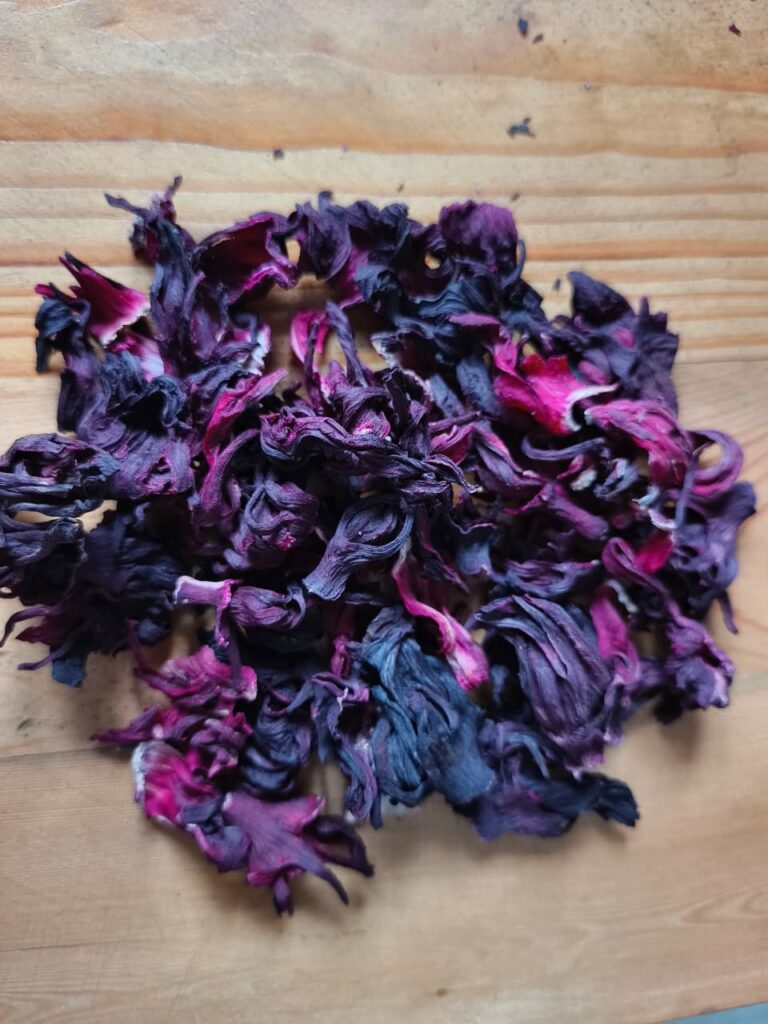
In today’s fast-growing natural health market, few plants have captured global attention like hibiscus. With its deep crimson color, refreshing tart taste, and powerful nutritional profile, hibiscus has evolved from a traditional herbal remedy into a sought-after ingredient in beverages, supplements, cosmetics, and international trade.
As consumers increasingly demand plant-based and functional products, hibiscus is positioning itself as a true global super ingredient.
The Botanical Background
Hibiscus belongs to the genus Hibiscus, a diverse group of flowering plants found mainly in tropical and subtropical regions. The most commercially valuable species is Hibiscus sabdariffa, often referred to as Roselle.
Unlike ornamental hibiscus grown for landscaping, Roselle is cultivated for its bright red calyces. After harvesting, these calyces are carefully dried and processed into various forms such as whole petals, cut pieces, powder, and concentrated extracts.
A Nutritional Powerhouse
Hibiscus stands out for its rich composition of natural compounds that support overall wellness.
Antioxidant-Rich Profile
Hibiscus contains anthocyanins, flavonoids, and polyphenols. These antioxidants help protect cells from oxidative damage and contribute to healthy aging.
Cardiovascular Support
One of the most studied benefits of hibiscus tea is its potential role in supporting healthy blood pressure levels. As awareness of heart health grows worldwide, hibiscus continues to gain scientific and commercial interest.
Natural Detox Support
Hibiscus is traditionally known for its mild diuretic properties, helping the body eliminate excess fluids and maintain balance.
Immune System Boost
With a notable amount of vitamin C, hibiscus supports immune defense and overall vitality.
Expanding Global Uses
Hibiscus is no longer limited to herbal tea. Its versatility has opened doors to multiple industries:
- Functional Beverages – Used in herbal teas, iced drinks, and wellness blends
- Food Products – Added to syrups, sauces, jams, and natural colorants
- Nutraceuticals – Processed into capsules and dietary supplements
- Cosmetics – Incorporated into skincare and haircare formulations
- Natural Flavoring – Popular in premium beverage innovation
This wide application range strengthens its market resilience and long-term demand.
The Growing International Market
The global shift toward organic and plant-based products has significantly increased the demand for high-quality dried hibiscus. Major importing regions include Europe, North America, and the Middle East.
To meet export standards, premium hibiscus must have:
- Uniform deep red color
- Low moisture content
- Clean, contaminant-free processing
- Hygienic and secure packaging
Suppliers who prioritize grading, sorting, and compliance certifications gain stronger access to high-value markets.
Hibiscus as an Agribusiness Opportunity
For farmers and exporters, hibiscus offers strong commercial potential:
- Adaptable to warm climates
- Moderate production cost
- Strong shelf stability when properly dried
- Growing global consumer demand
With proper post-harvest handling and quality management, hibiscus can deliver consistent returns and long-term sustainability.
Conclusion
Hibiscus has successfully transitioned from a traditional herbal plant to a modern global commodity. Its health benefits, vibrant appeal, and expanding commercial applications make it one of the most promising natural ingredients of our time.
As the world continues to embrace wellness-focused living and plant-based innovation, hibiscus is not just keeping up it is leading the way.