
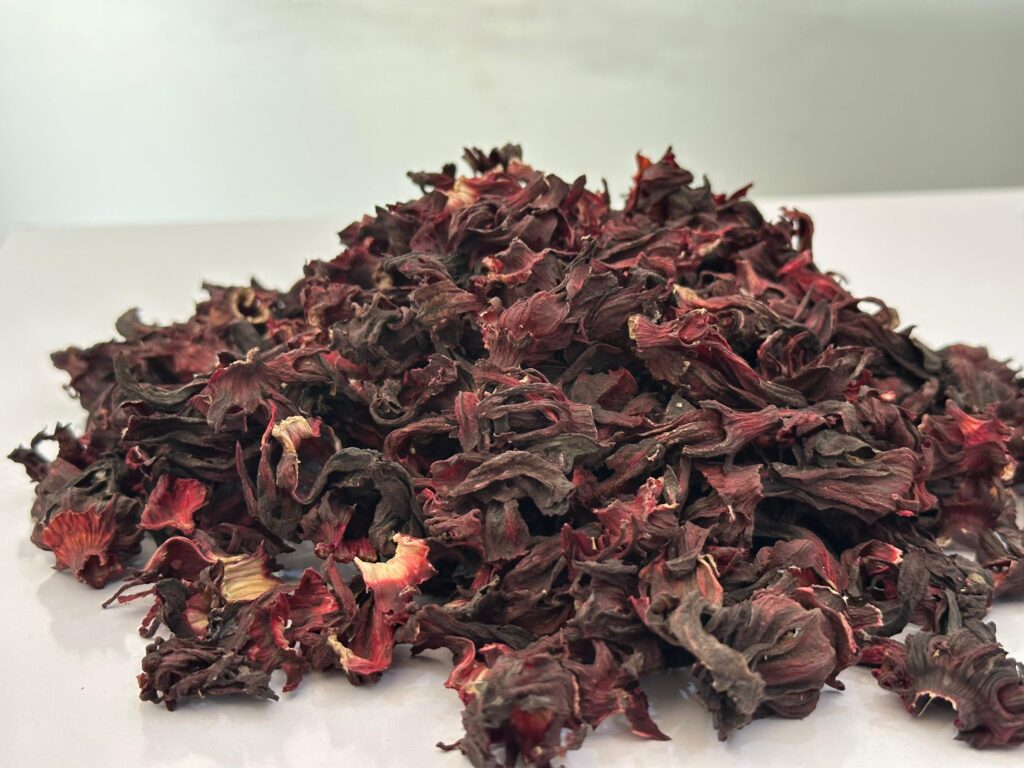
The hibiscus flower in Nigeria is one of the country’s most valuable and widely used plants. Popularly known for producing the famous Zobo drink, hibiscus is grown extensively across Northern Nigeria and plays an important role in health, agriculture, and small-scale business.
This detailed SEO guide covers everything you need to know about hibiscus in Nigeria from its local names and health benefits to cultivation and economic importance.
What Is Hibiscus?
Hibiscus is a flowering plant in the mallow family (Malvaceae). The most commonly cultivated species in Nigeria is Hibiscus sabdariffa, also known as Roselle.
The plant produces bright red calyces (the fleshy covering around the flower), which are harvested, dried, and used for beverages, herbal medicine, and export.
Hibiscus is widely grown in Nigerian states such as:
- Katsina
- Kaduna
- Jigawa
- Kano
- Sokoto
Local Names of Hibiscus in Nigeria
Hibiscus is known by different names among Nigeria’s major ethnic groups:
- Hausa: Yakuwa
- Yoruba: Isapa
- Igbo: Okwuru-ozo
These names usually refer to the edible red calyces used for making Zobo.
Health Benefits of Hibiscus Flower
Hibiscus is rich in antioxidants, vitamins, and minerals, making it a powerful medicinal plant.
1. Helps Lower Blood Pressure
Hibiscus tea (Zobo) is known to help reduce high blood pressure naturally.
2. Supports Weight Loss
It may reduce fat absorption and improve metabolism.
3. Rich in Antioxidants
Hibiscus contains anthocyanins that help fight free radicals and reduce inflammation.
4. Promotes Liver Health
Studies suggest hibiscus may help protect and detoxify the liver.
5. Aids Digestion
It can help relieve constipation and improve overall digestive health.
6. Boosts Immunity
High vitamin C content strengthens the immune system.
Uses of Hibiscus in Nigeria
1. Zobo Drink Production
The most popular use of hibiscus in Nigeria is the production of Zobo drink, a refreshing herbal beverage made by boiling dried hibiscus petals with ingredients such as:
- Ginger
- Pineapple
- Cloves
- Sugar or honey
Zobo production has become a thriving small business across Nigeria.
2. Traditional Medicine
Hibiscus is used traditionally to treat:
- High blood pressure
- Fever
- Cough
- Menstrual cramps
3. Culinary Uses
In some communities, hibiscus leaves are added to soups and sauces.
4. Cosmetic and Haircare Products
Hibiscus extracts are used in:
- Hair growth treatments
- Natural shampoos
- Anti-aging skincare products
How to Grow Hibiscus in Nigeria
Hibiscus farming is profitable due to high local demand and export opportunities.
Climate Requirements
- Warm tropical climate
- Moderate rainfall
- Well-drained sandy-loam soil
Planting Guide
- Prepare farmland at the beginning of the rainy season.
- Plant seeds directly into the soil.
- Apply organic manure for improved yield.
- Weed regularly to prevent competition.
Harvesting
- Harvest calyces 4–6 months after planting.
- Dry thoroughly under the sun.
- Store in airtight containers to prevent moisture damage.
Economic Importance of Hibiscus in Nigeria
Nigeria is one of Africa’s leading exporters of hibiscus. Dried hibiscus calyces are exported to:
- Europe
- United States
- Asia
Hibiscus farming provides income for thousands of Nigerian farmers, particularly in Northern Nigeria. The Zobo beverage industry also supports many small-scale entrepreneurs.
Nutritional Value of Hibiscus
Hibiscus contains:
- Vitamin C
- Iron
- Calcium
- Magnesium
- Potassium
- Antioxidants (Anthocyanins)
This nutritional profile makes it one of Nigeria’s most valuable medicinal plants.
Is Hibiscus Safe?
Hibiscus is generally safe when consumed in moderation. However:
- Pregnant women should consult a healthcare professional before use.
- People taking blood pressure medication should seek medical advice.
Excessive consumption may cause mild stomach discomfort.
Frequently Asked Questions (FAQs)
Is hibiscus the same as Zobo?
No. Hibiscus is the plant, while Zobo is the drink made from dried hibiscus petals.
Can hibiscus help with high blood pressure?
Yes, hibiscus tea may help reduce high blood pressure naturally.
Is hibiscus farming profitable in Nigeria?
Yes. Due to strong local demand and export opportunities, hibiscus farming can be highly profitable when properly managed.
Conclusion
The hibiscus flower in Nigeria is a highly valuable plant with medicinal, nutritional, and economic importance. From the popular Zobo drink to international export markets, hibiscus continues to contribute significantly to Nigeria’s agricultural sector.
Whether you want to improve your health, start a small beverage business, or invest in agriculture, hibiscus remains one of the best opportunities in Nigeria today.