
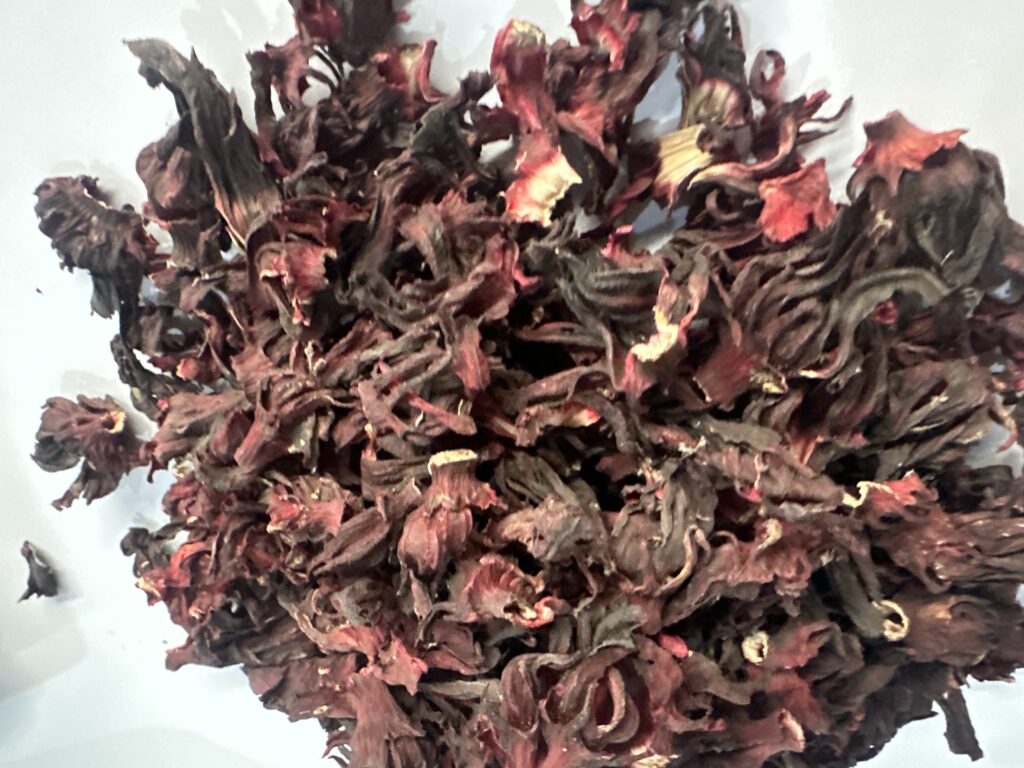
In the global market for plant-based ingredients, success depends on origins that combine natural advantage with operational discipline. Nigeria has shaped its hibiscus sector around this balance, creating a supply that is both agriculturally strong and commercially dependable for international buyers.
Hibiscus from Nigeria is known for its vivid red tone, refreshing tartness, and wide usability across food, beverage, and wellness industries. These qualities are not accidental; they are the outcome of suitable growing conditions matched with increasingly structured export practices.
Nature as a Competitive Asset
Nigeria’s hibiscus-growing areas benefit from warm temperatures, defined wet and dry seasons, and fertile soils. This environment allows the calyces to develop naturally intense pigmentation and balanced acidity without heavy intervention. For buyers, this translates into strong extract yield and consistent sensory performance.
The crop fits well into existing farming systems, enabling steady production year after year and supporting scalable supply for export programs.
Careful Transition from Farm to Drying
Quality control begins at harvest. Flowers are picked at maturity and handled promptly to prevent discoloration or damage. Drying follows soon after, reducing moisture to safe levels while protecting color and aroma. This stage is critical in preserving the attributes demanded by premium markets.
Drying methods are increasingly standardized, improving uniformity across batches and reducing post-shipment quality risks.
Cleaning, Grading, and Export Integrity
After drying, hibiscus is cleaned to remove stems, dust, and foreign matter. Grading focuses on color depth, dryness, and visual consistency. These steps ensure that export shipments meet defined specifications and integrate smoothly into buyers’ processing lines.
Packaging is selected to maintain product stability during storage and transit. Proper bagging and container planning help prevent crushing, moisture exposure, and contamination.
A Supply That Works Across Industries
Nigeria’s hibiscus is used globally in:
- Herbal and specialty teas
- Juice blends and concentrates
- Natural food and beverage colorants
- Nutritional and functional products
Its reliability allows manufacturers to plan production with fewer adjustments and less waste.
Confidence Built Through Structure
What distinguishes Nigeria’s hibiscus today is not only the flower itself, but the growing professionalism of its trade system. Clear sourcing channels, improved handling practices, and coordinated logistics reduce uncertainty and build trust between exporters and buyers.
As demand for natural ingredients continues to expand, Nigeria offers a hibiscus supply grounded in nature and strengthened by structure an origin prepared to meet global expectations with consistency and confidence.