
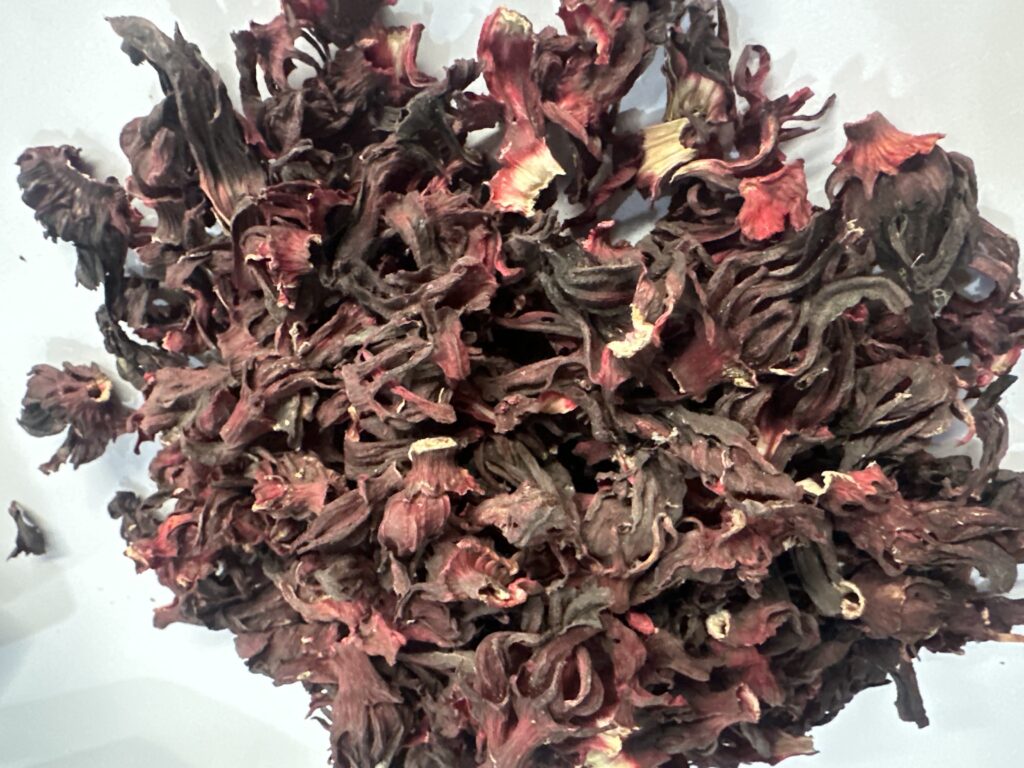
Reliable sourcing in the natural ingredients market depends on more than availability it requires discipline at every stage of the supply chain. Nigeria has refined its hibiscus pathway to meet this standard, offering international buyers a product that combines agricultural strength with export readiness.
Grown across suitable agro-ecological zones in Nigeria, the hibiscus flower thrives under conditions that promote deep coloration and balanced acidity. These natural qualities, supported by improving production practices, make Nigerian hibiscus a competitive choice for global buyers seeking consistency and value.
Structured Cultivation and Seasonal Control
Hibiscus farming in Nigeria follows defined seasonal cycles. Farmers plant and harvest within specific windows, allowing the calyces to mature fully before collection. This approach reduces variability in size and color while supporting predictable annual output.
Field practices focus on minimizing contamination and physical damage, ensuring the harvested flower retains its structure and commercial value.
Post-Harvest Discipline and Quality Stability
Immediately after harvest, hibiscus calyces are separated and dried under monitored conditions. Controlled drying preserves pigment intensity, prevents mold development, and extends shelf life critical factors for long-distance export.
Following drying, the flowers are cleaned and graded. Uniform grading ensures shipments meet buyer specifications and perform consistently during industrial processing.
Export Preparation with Clear Standards
Nigeria’s hibiscus exporters increasingly operate under defined quality benchmarks. Pre-shipment checks emphasize moisture balance, cleanliness, and packaging integrity. Food-grade packaging materials protect the product from humidity and compression during transit.
Logistics coordination from inland aggregation points to seaports is planned to minimize delays and maintain shipment schedules, strengthening buyer confidence.
Reliable Input for Multiple Markets
Nigerian hibiscus is widely used in:
- Herbal tea and beverage production
- Juice and syrup manufacturing
- Natural food coloring
- Wellness and nutritional products
Its consistent quality allows manufacturers to reduce formulation adjustments and improve production efficiency.
A Sourcing Origin Built on Confidence
Nigeria’s hibiscus pathway reflects a growing focus on precision, accountability, and long-term trade relationships. By combining disciplined farming, careful processing, and structured export management, Nigeria offers buyers a dependable origin capable of supporting repeat orders and expanding demand.
For businesses seeking a stable, scalable, and professionally managed hibiscus supply, Nigeria delivers confidence from farm to global destination.