
In today’s competitive natural-ingredient market, buyers look beyond price. They seek origins that can deliver consistency, traceability, and long-term security. Nigeria has built a hibiscus ecosystem that answers these needs linking farming communities, processing hubs, and export logistics into a reliable, market-ready system.
Hibiscus cultivated in Nigeria is internationally recognized for its intense red color, clean acidity, and adaptability across multiple industries. This reputation is supported not only by favorable growing conditions but also by a structured approach to post-harvest handling and trade execution.
Climate-Driven Quality at the Source
Nigeria’s hibiscus-growing zones benefit from a balance of rainfall and sunlight that allows the calyces to develop naturally without excessive chemical input. The result is a flower with strong pigment concentration and stable flavor, qualities that are essential for beverage extraction and food applications.
Farmers follow defined planting and harvesting windows, ensuring that the crop reaches maturity before collection. This discipline helps standardize output across seasons and strengthens supply predictability for exporters and buyers alike.
Value Preservation Through Processing
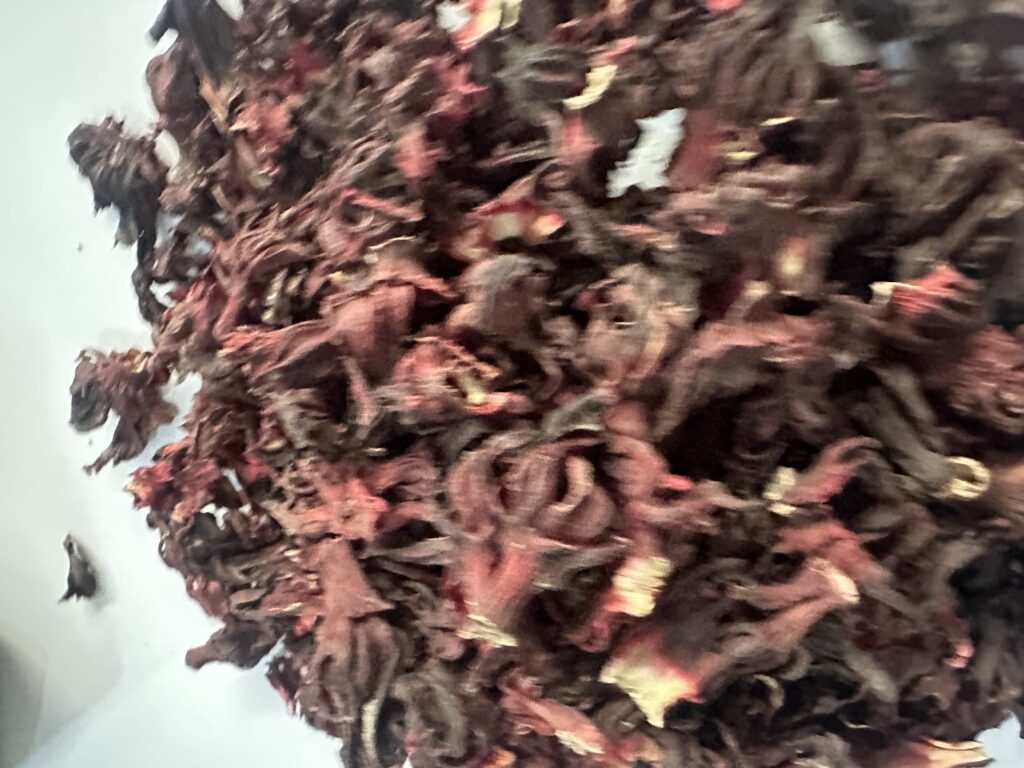
Quality preservation begins immediately after harvest. Hibiscus calyces are separated and dried to controlled moisture levels, a step that protects both color intensity and shelf life. Careful drying reduces microbial risk and maintains the visual appeal required by premium markets.
Once dried, the product undergoes cleaning and grading. Uniform sizing, minimal foreign matter, and consistent dryness ensure that export shipments meet buyer specifications and reduce downstream processing costs.
Integrated Export Management
Nigeria’s hibiscus trade increasingly operates through integrated export management models. These systems centralize procurement, quality control, and logistics, creating a single operational flow from inland production to seaport delivery. For buyers, this means fewer intermediaries, clearer documentation, and improved accountability.
Packaging is selected to protect product integrity during long-distance transport, while container planning balances volume efficiency with product safety.
A Versatile Ingredient for Global Industries
Nigerian hibiscus supports a wide range of applications, including:
- Herbal and functional beverages
- Juice concentrates and syrups
- Natural colorants for food products
- Nutritional and wellness formulations
Its adaptability makes it a preferred raw material for manufacturers seeking reliable natural inputs.
A Forward-Looking Supply Origin
What sets Nigeria apart is its capacity to grow with demand. Expanding farm participation, improving processing standards, and stronger exporter coordination are shaping a supply origin built for the future. Buyers gain access to scalable volumes without sacrificing quality or delivery confidence.
Nigeria’s hibiscus ecosystem is more than a production chain it is a coordinated system designed to meet global demand with stability, transparency, and trust.