
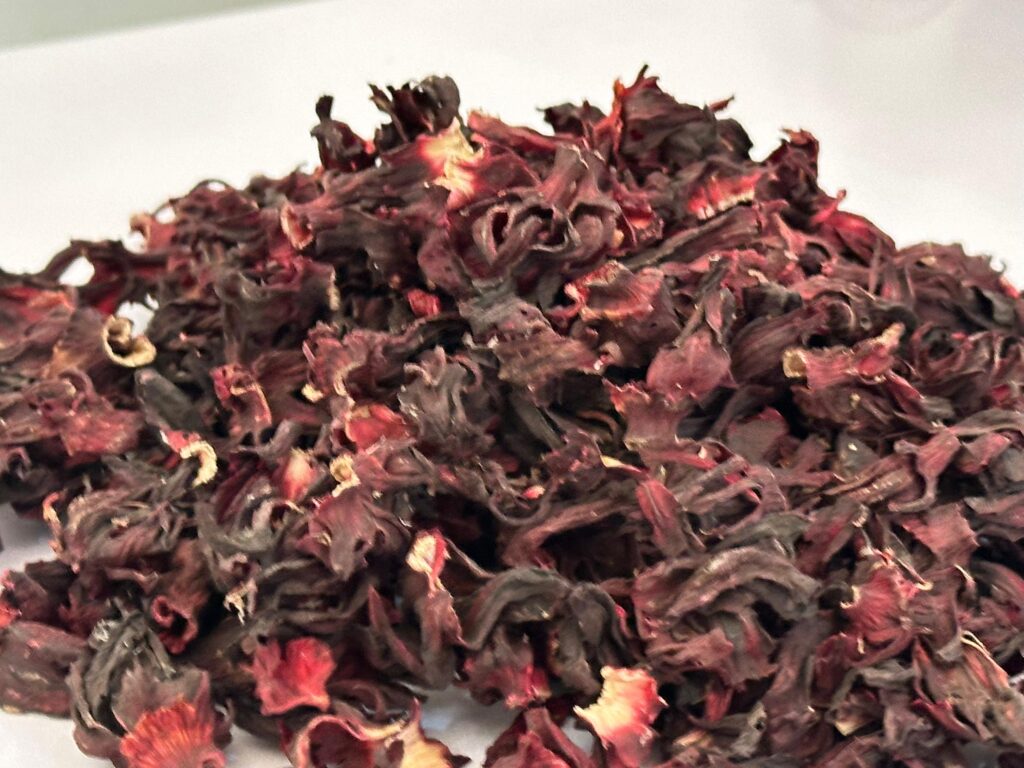
Hibiscus flower has become an essential ingredient in the global market for natural foods, beverages, and wellness products. As demand grows for reliable, plant-based raw materials, Nigeria stands out as a proven and trusted origin for export-quality hibiscus flower. Its strength lies in consistent production, natural quality formation, and increasing integration into international trade systems.
Natural Origin and Product Integrity
Hibiscus cultivated in Nigeria benefits from environmental conditions that naturally support color development, firmness, and stability. The crop matures under warm temperatures and seasonal rainfall, allowing the calyces to develop a deep red appearance without artificial enhancement. These natural characteristics form the foundation of product quality and are highly valued by international buyers.
Production Scale and Supply Continuity
Nigeria’s hibiscus production is not limited to a single area. Cultivation is spread across several agricultural zones, creating a wide supply base that supports volume stability. This distributed production model allows Nigeria to meet bulk export demand while minimizing supply disruptions, making it suitable for long-term sourcing agreements.
Post-Harvest Handling and Quality Preservation
After harvesting, hibiscus flowers are dried to achieve export-ready moisture levels. Proper drying protects color intensity, reduces spoilage risk, and extends shelf life. The flowers are then cleaned and sorted to remove foreign matter, resulting in a uniform and visually appealing product suitable for international markets.
Export Readiness and Market Compatibility
Nigerian hibiscus is prepared to align with buyer requirements through grading, packaging, and shipment preparation. Its stable physical properties make it compatible with long-distance transportation and storage. These factors enhance trade confidence for importers, processors, and distributors.
Industrial Applications and End Uses
Hibiscus flower from Nigeria is widely used across multiple industries, including:
- Herbal and specialty tea production
- Natural beverage and concentrate manufacturing
- Food processing and flavor applications
- Nutritional and wellness product development
Its versatility allows buyers to apply the product across different production lines while maintaining consistency.
Commercial and Strategic Value
From a commercial perspective, Nigerian hibiscus offers a strong balance between quality and cost. Competitive pricing, scalable availability, and growing export experience make it attractive for both emerging and established markets. Buyers sourcing from Nigeria benefit from predictable supply cycles and improving trade infrastructure.
Long-Term Outlook
As global demand continues to shift toward natural, traceable, and responsibly sourced ingredients, Nigerian hibiscus flower remains well-positioned for sustained growth. Its combination of natural quality, production scale, and trade reliability makes it a dependable choice for global buyers seeking long-term value.