
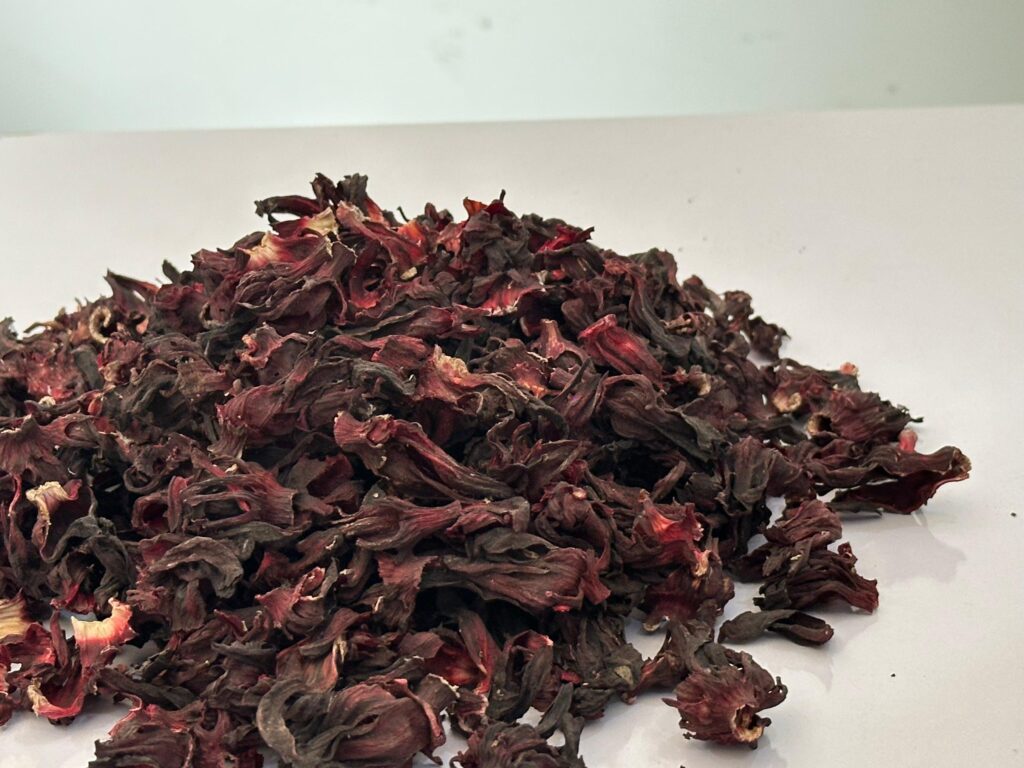
As global industries increasingly depend on natural ingredients, hibiscus flower has become a valuable raw material across food, beverage, and wellness sectors. Among exporting countries, Nigeria has earned growing recognition as a stable and trustworthy source of export-quality hibiscus flower. Its production capacity, combined with improving trade systems, positions Nigeria as a strategic origin in international supply chains.
Structured Production and Seasonal Advantage
Hibiscus cultivation in Nigeria follows well-established seasonal cycles that support healthy growth and uniform flower development. Farmers benefit from favorable environmental conditions that naturally enhance color intensity and reduce post-harvest losses. These seasonal advantages allow Nigerian hibiscus to maintain consistency across harvest periods.
Production is spread across multiple agricultural zones, ensuring supply continuity and reducing dependence on a single growing area. This decentralized model strengthens Nigeria’s ability to meet large-volume export demand.
Product Quality and Export Readiness
Export-grade Nigerian hibiscus is recognized for its strong visual appeal and stable physical properties. After harvesting, the flowers are dried to optimal moisture levels and sorted to meet buyer specifications. Cleaning and grading processes focus on uniformity, ensuring the product is suitable for industrial processing and long-term storage.
These steps improve shelf life and preserve product integrity throughout transportation and distribution.
Versatility Across End-Use Industries
Nigerian hibiscus flower supports a wide range of commercial applications, including:
- Herbal and functional tea production
- Beverage flavoring and natural concentrates
- Food manufacturing and ingredient blending
- Nutritional and wellness product development
- Plant-based cosmetic formulations
Its adaptability across industries makes it a preferred ingredient for manufacturers seeking multipurpose natural inputs.
Trade Expansion and Market Integration
Nigeria’s hibiscus exports continue to expand as international buyers seek diversified sourcing options. Competitive pricing, improving logistics, and growing export experience have strengthened Nigeria’s presence in global markets. Buyers increasingly view Nigerian hibiscus as a long-term sourcing solution rather than a short-term alternative.
This integration into global trade networks supports consistent supply relationships and repeat business.
Sustainable Impact and Economic Value
Hibiscus farming contributes to rural employment and agricultural diversification. The crop fits well into existing farming systems and provides seasonal income for farming communities. This positive socioeconomic impact adds value for buyers prioritizing responsible and sustainable sourcing.
Why Nigeria Remains a Preferred Origin
Key reasons international buyers choose Nigerian hibiscus include:
- Reliable and scalable supply
- Consistent quality characteristics
- Competitive export pricing
- Growing compliance with international standards
- Positive social and economic impact
With demand for natural and plant-based ingredients continuing to rise, Nigerian hibiscus flower stands as a dependable, competitive, and future-oriented export product for global markets.