
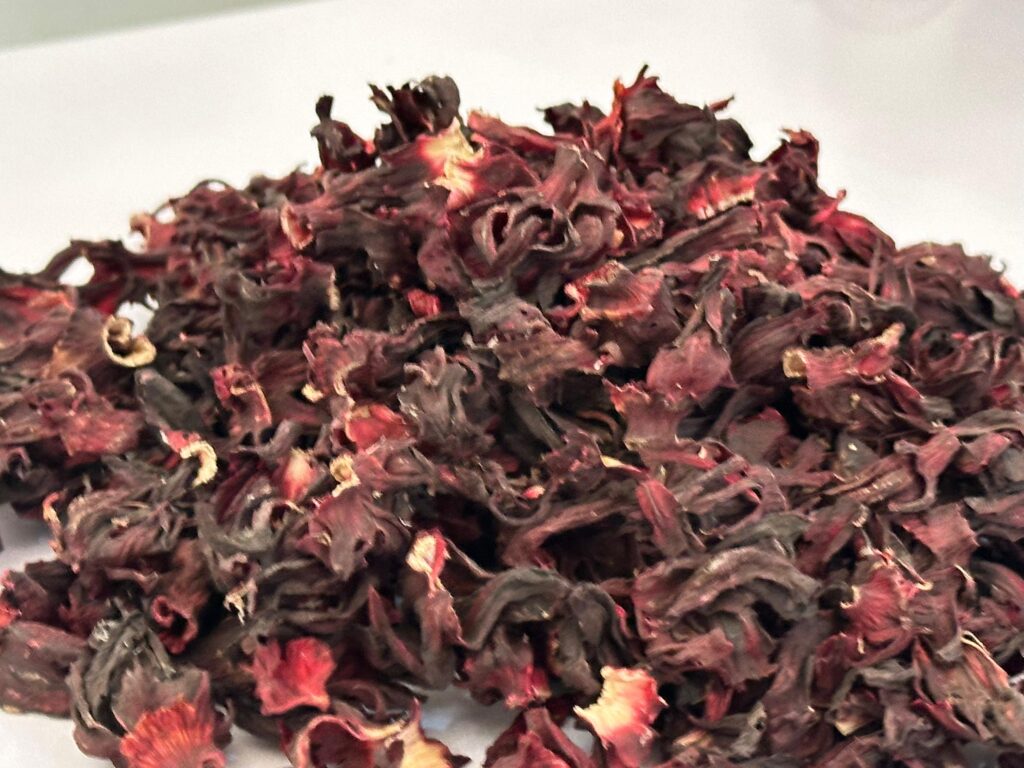
Hibiscus flower has moved beyond its traditional uses to become a strategic ingredient in the global natural products industry. As international demand increases, sourcing countries that can deliver quality, volume, and reliability are gaining attention. Among them, Nigeria has positioned itself as a key supplier of export-grade hibiscus flower, supporting manufacturers, traders, and distributors worldwide.
From Local Farming to International Supply
Hibiscus cultivation in Nigeria is closely linked to rural agricultural systems where farmers rely on seasonal planting cycles and natural rainfall patterns. These conditions support steady plant growth and produce calyces with strong natural pigmentation. Over time, improved farming techniques and better post-harvest handling have increased both yield and export suitability.
The integration of local production into international supply chains has allowed Nigerian hibiscus to move efficiently from farms to global markets.
Quality Characteristics Buyers Look For
International buyers value Nigerian hibiscus for several defining characteristics:
- Deep red color indicating high pigment content
- Low moisture levels suitable for storage
- Clean appearance with minimal foreign matter
- Stable flavor profile for industrial processing
These attributes make Nigerian hibiscus suitable for demanding applications across food, beverage, and wellness industries.
Processing and Export Preparation
After harvesting, hibiscus flowers are dried and sorted to meet export requirements. Grading focuses on uniformity, cleanliness, and visual appeal. Packaging is designed to protect the product during storage and long-distance transportation, ensuring it arrives in good condition at destination markets.
These processes help Nigerian hibiscus remain competitive in regulated and quality-sensitive markets.
Expanding Use Across Industries
Nigerian hibiscus flower is used in a wide range of commercial applications, including:
- Herbal and functional teas
- Juice blends and natural drinks
- Food ingredients and additives
- Nutraceutical products
- Botanical personal care items
Its versatility supports strong demand across multiple sectors, reducing dependence on a single end-use market.
Trade Growth and Market Confidence
Nigeria’s hibiscus exports continue to grow as international buyers seek alternative sourcing destinations with scalable capacity. Competitive pricing, combined with improving export systems, has strengthened buyer confidence and encouraged repeat sourcing.
As global trade shifts toward diversification and resilience, Nigeria’s role in hibiscus supply chains continues to expand.
Long-Term Value for Global Buyers
Sourcing hibiscus flower from Nigeria offers long-term advantages:
- Reliable annual production
- Cost-effective supply
- Natural product quality
- Broad industrial usability
- Support for sustainable agriculture
With global demand for natural ingredients showing no signs of slowing, Nigerian hibiscus flower remains a valuable and dependable choice for international trade and industrial use.