
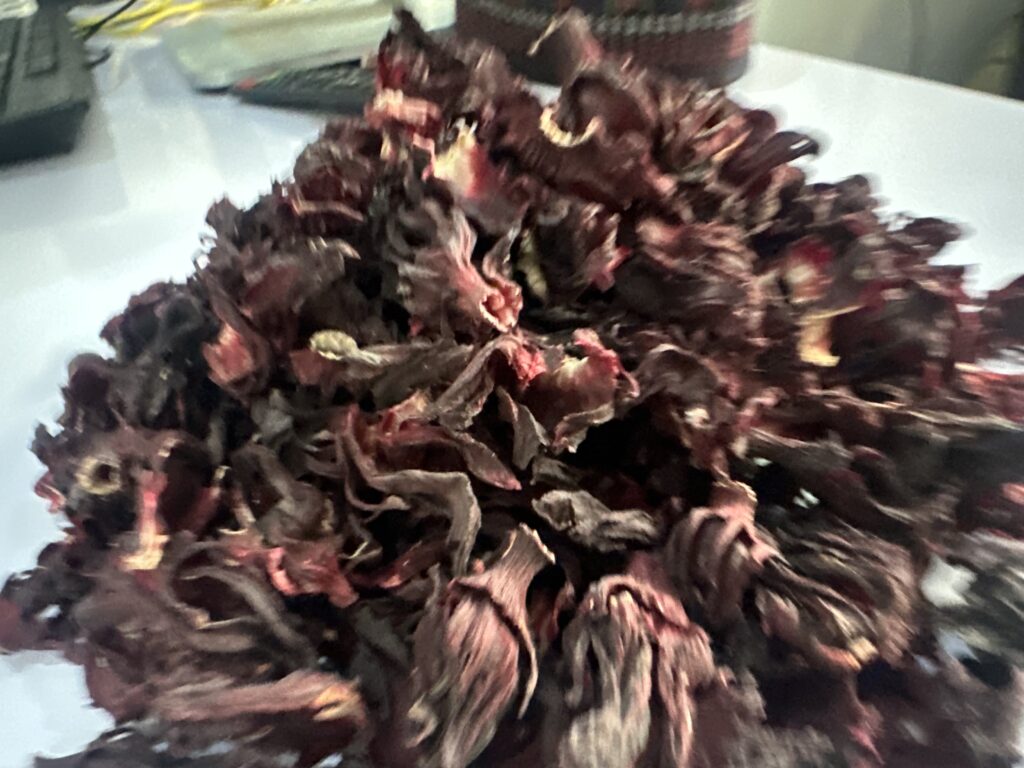
Hibiscus flower has evolved from a traditional agricultural crop into a globally traded natural commodity with strong commercial relevance. Among producing countries, Nigeria has emerged as a dependable supplier, offering hibiscus that meets international expectations for color, purity, and usability across multiple industries. Its growing presence in global markets reflects both product quality and expanding export capacity.
Origin and Production Strength
Hibiscus cultivation in Nigeria is supported by vast arable land and farming knowledge passed down through generations. The crop is grown primarily in regions where soil composition and climate conditions naturally favor high pigment concentration and proper calyx formation. These factors contribute to hibiscus flowers with deep coloration and consistent texture key attributes sought by processors and manufacturers.
The decentralized nature of production allows Nigeria to achieve large aggregate volumes annually, ensuring supply stability even during fluctuations in regional output.
Post-Harvest Handling and Export Readiness
Once harvested, hibiscus flowers are dried using controlled methods that reduce moisture while preserving essential qualities. Careful handling minimizes contamination and breakage, improving shelf life and transport efficiency. Export-grade hibiscus is typically cleaned, sorted, and packed to meet buyer specifications, making it suitable for long-distance shipment and storage.
This level of export readiness positions Nigerian hibiscus competitively in markets where quality assurance and consistency are essential.
Functional and Commercial Uses
Nigerian hibiscus is valued for its adaptability and is commonly used in:
- Herbal and fruit tea blends
- Beverage concentrates and syrups
- Natural food ingredients
- Wellness and dietary supplements
- Plant-based cosmetic formulations
Its natural acidity, rich color, and antioxidant properties increase its appeal as a clean-label ingredient in both traditional and modern applications.
Market Demand and Buyer Preference
Global demand for hibiscus flower continues to rise as consumers shift toward natural, plant-derived products. Nigerian hibiscus benefits from strong buyer preference due to its balance of quality and cost efficiency. Importers and distributors often favor Nigeria as a sourcing destination because of its ability to deliver consistent volumes without excessive pricing pressure.
With improved logistics and growing export experience, Nigeria continues to strengthen its reputation in international agricultural trade.
Contribution to Sustainable Trade
Hibiscus farming supports rural economies and contributes to sustainable agricultural practices. As a seasonal crop, it fits well into crop rotation systems and provides income diversification for farming communities. This sustainability aspect adds value for international buyers seeking ethically sourced raw materials.
Strategic Advantage for International Buyers
Sourcing hibiscus flower from Nigeria offers clear advantages:
- Stable supply capacity
- Competitive export pricing
- Strong natural characteristics
- Expanding compliance with global standards
- Positive socioeconomic impact
As global industries increasingly prioritize natural ingredients and reliable sourcing, Nigerian hibiscus flower stands out as a strategic and future-ready agricultural product.