
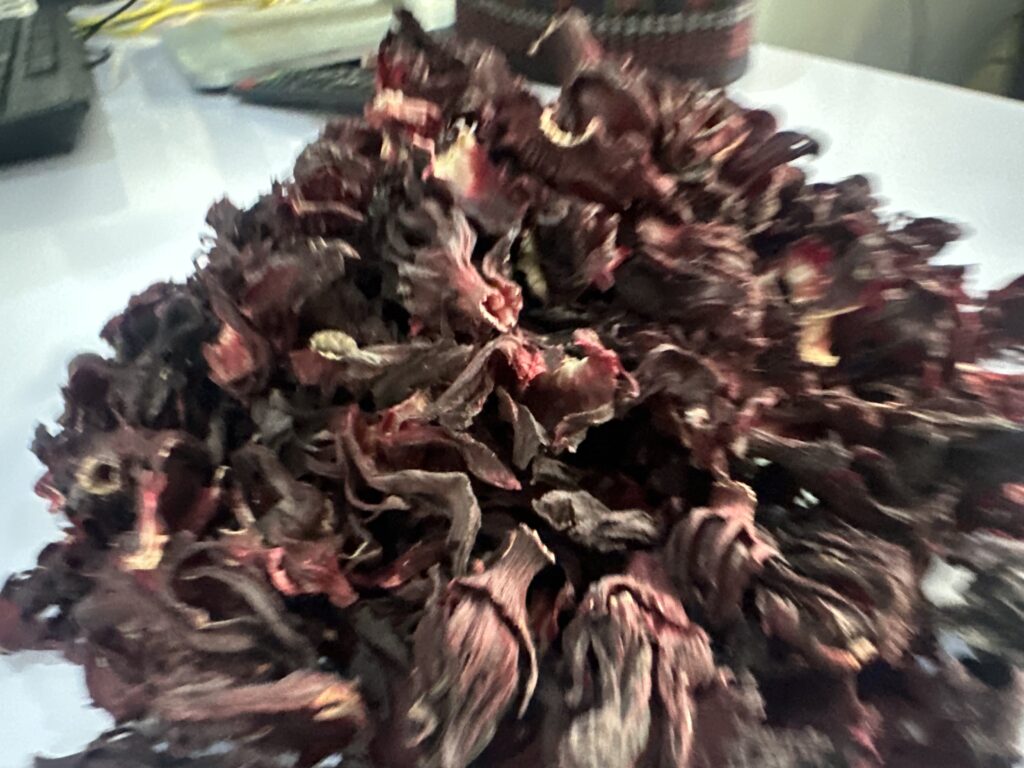
Hibiscus roselle (Hibiscus sabdariffa) is a widely traded agricultural product recognized for its natural acidity, deep red color, and broad commercial applications. Once consumed mainly at local and regional levels, hibiscus roselle has grown into a globally demanded raw material used by beverage producers, food processors, and natural product manufacturers.
Tropical growing regions provide optimal conditions for hibiscus roselle cultivation. Nigeria stands out as a reliable production source due to suitable climate, experienced farmers, and increasing export capacity.
Commercial Uses and Industry Demand
Hibiscus roselle is commonly used in herbal teas, flavored drinks, and natural ingredient blends. Its plant-based nature and visual appeal make it a preferred option for brands focused on natural formulations. As consumers increasingly favor clean-label and naturally sourced products, demand for hibiscus roselle continues to expand.
Quality Control and Export Practices
For international markets, hibiscus roselle must meet defined quality requirements. Careful harvesting, controlled drying, and systematic sorting help maintain product integrity. Export-grade packaging ensures protection during transportation and storage, supporting consistent quality delivery to overseas buyers.
Suppliers who maintain reliable documentation and transparent trade processes are better positioned to build long-term commercial relationships.
Role in Trade and Rural Development
Hibiscus roselle contributes significantly to agricultural trade diversification and rural economic development. Its production supports farming communities while strengthening non-oil export revenue. The crop’s adaptability and stable demand make it an important component of sustainable agribusiness strategies.
Market Outlook
Global interest in botanical beverages and natural ingredients suggests continued growth for hibiscus roselle. Its versatility across industries positions it as a long-term commodity in international markets.
Conclusion
Hibiscus roselle represents a high-potential agricultural export with lasting global relevance. Through quality-driven production and dependable trade systems, it continues to deliver value across the international supply chain.