
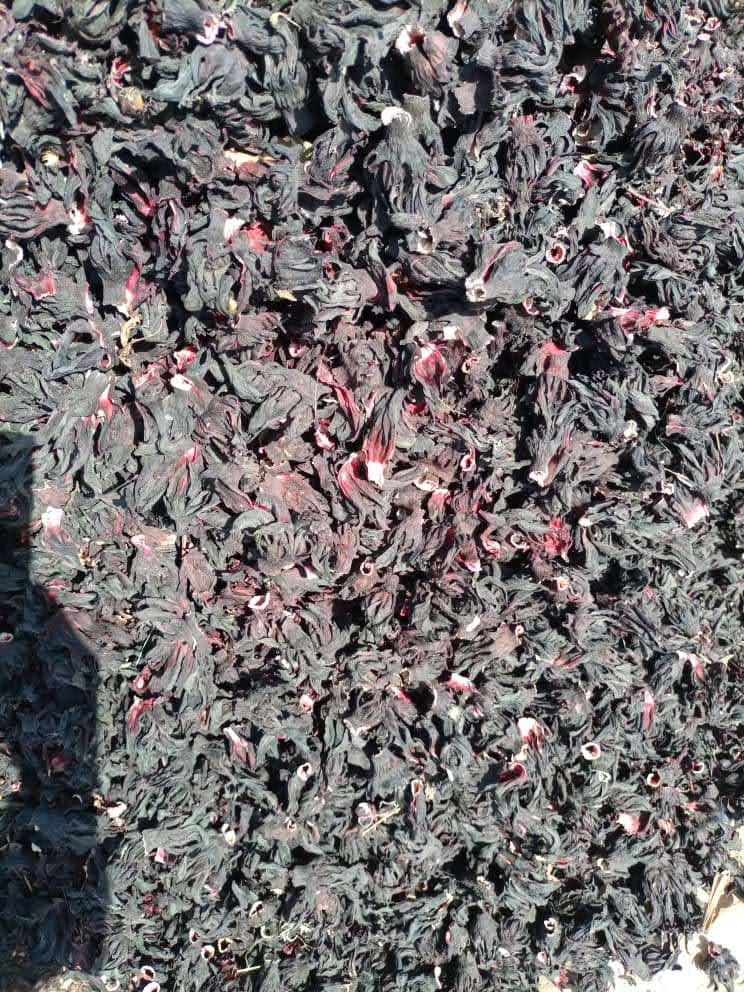
Hibiscus roselle (Hibiscus sabdariffa) holds a unique place not only in agriculture and trade but also in cultural identity across many regions of the world. Long before it became a globally traded commodity, hibiscus roselle was deeply rooted in local traditions, seasonal rituals, and everyday life. Today, its cultural heritage continues to influence its global popularity.
A Flower Shared Across Cultures
Hibiscus roselle is known by many names each reflecting the culture that embraced it. From traditional drinks prepared during festive seasons to everyday household beverages, the flower has long symbolized hospitality and refreshment. These cultural associations have helped preserve knowledge of hibiscus roselle across generations.
Traditional Preparation and Consumption
In many communities, hibiscus roselle is prepared using time-honored methods passed down through families. The dried calyces are brewed into refreshing drinks, often shared during social gatherings and celebrations. This tradition has contributed to the flower’s reputation as a comforting and familiar ingredient rather than a novelty.
Cultural Influence on Modern Demand
As global consumers seek authentic and meaningful food experiences, traditional ingredients like hibiscus roselle have gained renewed attention. Its strong cultural background adds storytelling value for brands and producers, helping products stand out in competitive markets.
Preserving Tradition Through Trade
International trade has given hibiscus roselle a new platform while still respecting its traditional roots. Farmers and exporters play an important role in maintaining traditional cultivation and processing practices, ensuring the flower retains its original character even as it reaches global markets.
A Bridge Between Past and Present
Hibiscus roselle serves as a bridge between cultural heritage and modern lifestyles. Its continued use in both traditional and contemporary products demonstrates how cultural knowledge can remain relevant in a globalized world.
Conclusion
Hibiscus roselle is more than a flower or a commodity it is a symbol of shared cultural heritage. By connecting traditions across regions and generations, hibiscus roselle continues to thrive as a meaningful and valued ingredient in today’s global market.