
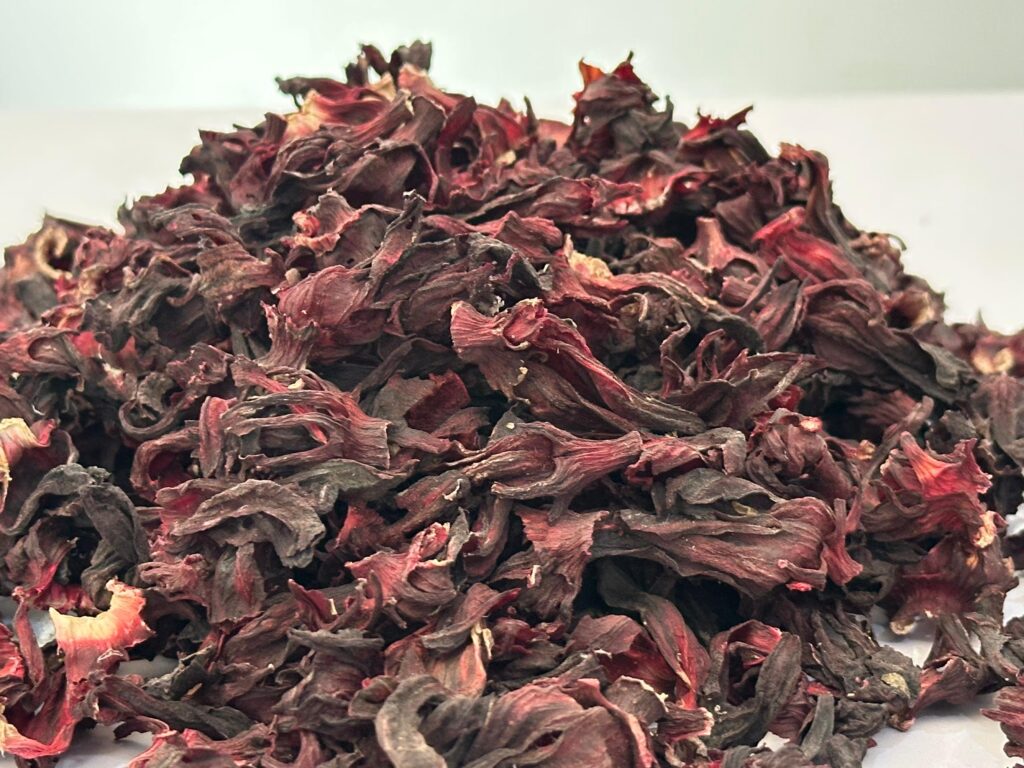
Introduction to the Hibiscus Flower
The hibiscus flower is one of the most vibrant and versatile flowering plants in the world. Known for its bold colors and delicate petals, hibiscus is valued not only for its beauty but also for its health benefits, medicinal uses, and cultural significance. From herbal teas to skincare and gardening, the hibiscus flower plays an important role across many industries.
What Is a Hibiscus Flower?
Hibiscus is a flowering plant belonging to the Malvaceae family, with over 300 species found in tropical and subtropical regions worldwide. The most popular species include:
- Hibiscus rosa-sinensis (ornamental)
- Hibiscus sabdariffa (used for tea and medicine)
- Hibiscus syriacus (hardy hibiscus)
These flowers are easily recognized by their large petals and striking colors such as red, pink, yellow, white, and purple.
Health Benefits of Hibiscus Flower
The hibiscus flower is widely used in traditional and modern medicine due to its powerful natural properties.
1. Rich in Antioxidants
Hibiscus contains antioxidants like flavonoids and polyphenols, which help fight free radicals and reduce oxidative stress in the body.
2. Supports Heart Health
Drinking hibiscus tea may help:
- Lower blood pressure
- Reduce bad cholesterol (LDL)
- Improve overall cardiovascular health
3. Boosts Immunity
Hibiscus is high in vitamin C, helping strengthen the immune system and protect against infections.
4. Aids Digestion and Weight Management
Hibiscus tea can support digestion, reduce bloating, and may help boost metabolism naturally.
Uses of Hibiscus Flower
The hibiscus flower is incredibly versatile and used in many ways:
Hibiscus Tea
One of the most popular uses, hibiscus tea has a tangy, cranberry-like flavor and can be enjoyed hot or cold.
Skincare and Hair Care
Hibiscus is often called the “Botox plant” because it helps:
- Improve skin elasticity
- Reduce wrinkles
- Promote hair growth and reduce hair fall
Culinary Uses
In some cultures, hibiscus petals are used in:
- Jams and syrups
- Desserts and candies
- Natural food coloring
Gardening and Decoration
Hibiscus plants are widely grown for:
- Home gardens
- Landscaping
- Religious and cultural ceremonies
Types of Hibiscus Flowers
Some popular hibiscus varieties include:
- Tropical Hibiscus – Bright colors, warm climates
- Hardy Hibiscus – Cold-resistant, large blooms
- Roselle Hibiscus – Used for tea and medicine
Each type has unique characteristics and growing requirements.
How to Grow and Care for Hibiscus Plants
To grow healthy hibiscus flowers:
- Sunlight: Full sun (6–8 hours daily)
- Soil: Well-draining, nutrient-rich soil
- Water: Regular watering without waterlogging
- Pruning: Encourages more blooms
With proper care, hibiscus plants can bloom beautifully year after year.
Cultural and Symbolic Meaning of Hibiscus Flower
The hibiscus flower holds deep cultural meaning in many regions:
- Symbol of beauty and femininity
- Used in religious offerings
- National flower of Nigeria
- Represents love and hospitality in many cultures
Conclusion
The hibiscus flower is far more than just a decorative plant. With its health benefits, medicinal uses, skincare applications, and cultural importance, hibiscus continues to be valued around the world. Whether you enjoy it as tea, grow it in your garden, or use it in natural beauty routines, the hibiscus flower is a powerful gift from nature.