
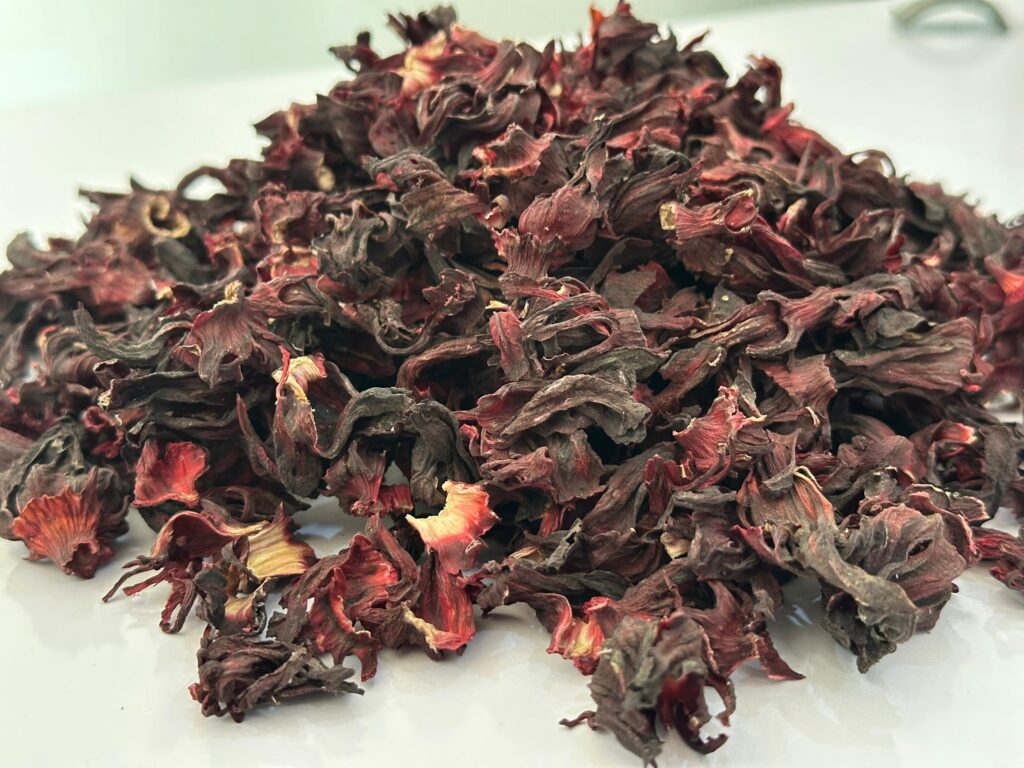
In global agricultural trade, what can be measured can be managed. Hibiscus flower (Hibiscus sabdariffa) has gained international acceptance because its quality can be clearly defined, evaluated, and repeated across shipments.
Defined Quality Parameters
Hibiscus offers distinct physical indicators such as color depth, moisture percentage, calyx size, and cleanliness. These parameters allow buyers and suppliers to communicate expectations precisely, reducing misunderstandings and supporting consistent pricing.
Processing That Locks in Specifications
Drying is the critical step that stabilizes hibiscus quality. When moisture is reduced to controlled levels, the product maintains its structure and functional properties. This process transforms a perishable flower into a standardized raw material suitable for export.
Repeatability Across Volumes
Large-scale trade depends on repeatability. Hibiscus performs well because standardized handling produces similar outcomes across different harvests and shipment sizes. This repeatability strengthens confidence in long-term supply agreements.
Simplified Inspection and Compliance
Because hibiscus quality is visible and measurable, inspection processes are straightforward. This simplifies compliance with import requirements and reduces delays at borders, supporting smoother international movement.
Origin Expertise and Measurement Discipline
Producing regions that emphasize quality measurement strengthen market trust. Nigeria’s increasing focus on grading, moisture control, and documentation improves alignment with global buyer expectations.
Strategic Advantage in Structured Markets
As global markets continue to demand clearer specifications, stronger documentation, and higher levels of accountability, commodities with measurable and verifiable quality gain a decisive advantage. Hibiscus fits naturally into this structured environment because its key attributes such as color intensity, moisture content, cleanliness, and calyx integrity can be clearly defined and consistently evaluated.
This measurability supports transparent pricing, reduces disputes, and simplifies compliance with import and regulatory requirements. Buyers benefit from greater confidence in procurement decisions, while exporters gain efficiency through standardized handling and repeatable outcomes. In an increasingly system-driven trade landscape, hibiscus aligns with the need for order, clarity, and operational discipline, reinforcing its position as a reliable and efficient commodity in international markets.
Conclusion
Hibiscus flower demonstrates the power of measurable quality. Through defined parameters, disciplined processing, and repeatable outcomes, it supports reliable sourcing in global markets. In a trade environment driven by precision, hibiscus remains a dependable agricultural commodity.