
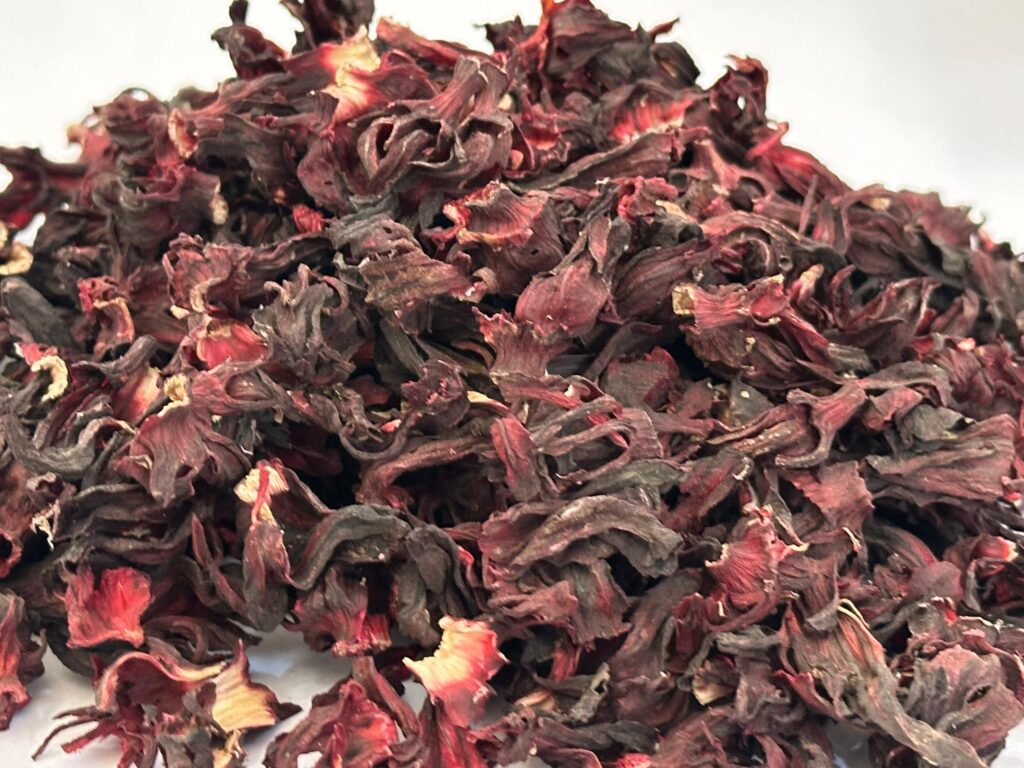
Agricultural commodities that perform well in global trade are those that function reliably within coordinated systems. Hibiscus flower (Hibiscus sabdariffa) has earned its place in international markets by aligning naturally with structured production, processing, and distribution networks.
Coordination Begins at Production
Hibiscus cultivation benefits from clearly defined planting and harvesting cycles. When growers follow coordinated schedules, the resulting calyces display uniform size, color, and maturity. This alignment simplifies downstream handling and supports consistent output.
Processing That Reinforces System Balance
Drying and sorting convert hibiscus into a stable commodity without altering its natural properties. These processes reinforce system balance by reducing variability and extending shelf life, allowing the product to move smoothly through storage and transport stages.
Predictability Across the Supply Network
Standardized handling allows hibiscus to integrate efficiently into global supply networks. Buyers can anticipate quality outcomes, logistics teams can plan shipments with confidence, and manufacturers can rely on repeatable input characteristics.
Trade Structures That Support Reliability
Hibiscus fits well within established trade frameworks. Clear documentation, grading standards, and packaging formats reduce friction at borders and support compliance with import requirements. This structural compatibility improves transaction efficiency.
Producing Regions and Coordinated Growth
Producing countries that invest in coordination strengthen market stability. Nigeria’s focus on improved agricultural organization and export practices enhances its contribution to the global hibiscus supply system.
Value in Structured Markets
As markets increasingly reward coordination and reliability, hibiscus stands out as a commodity that performs consistently within complex systems rather than being disrupted by them.
Conclusion
Hibiscus flower succeeds because it supports system-wide stability. Through coordinated cultivation, disciplined processing, and predictable trade behavior, it reinforces reliability across global supply chains. In an economy driven by structure and precision, hibiscus remains a dependable agricultural commodity.