
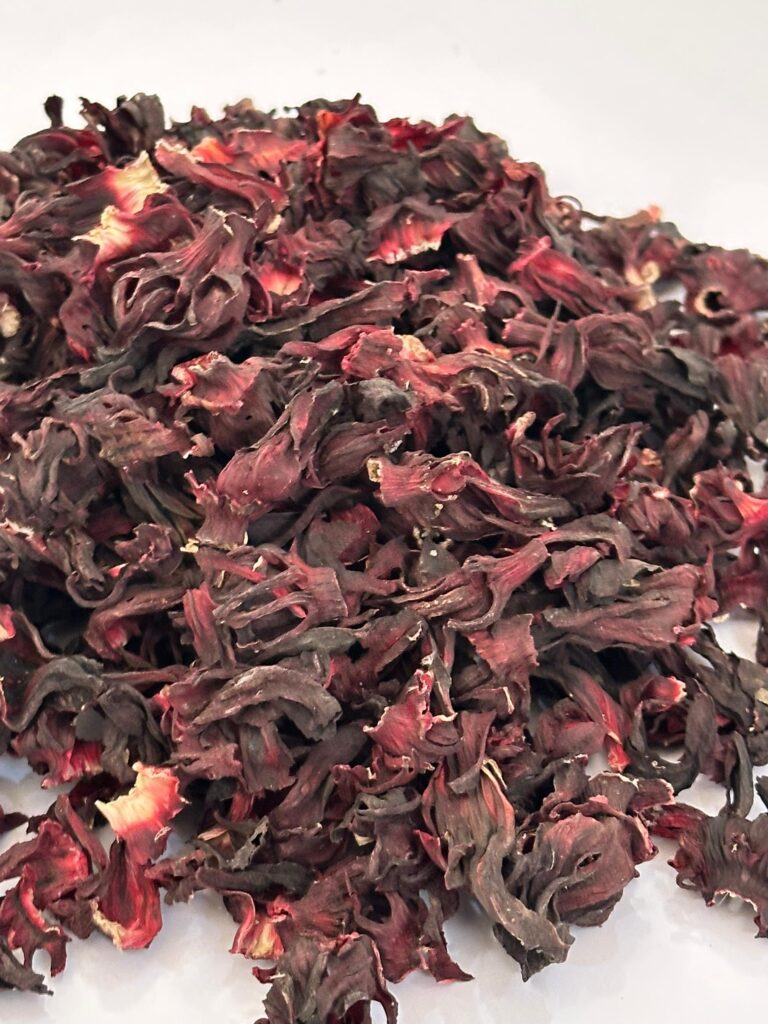
In agricultural trade, longevity is often the strongest indicator of value. Hibiscus flower (Hibiscus sabdariffa) has remained relevant across generations because it delivers dependable results without relying on rapid innovation or constant reinvention.
A Crop Proven Over Time
Hibiscus has been cultivated and traded for decades in different regions of the world. Its continued presence in local and international markets reflects practical performance rather than marketing momentum. Over time, producers have refined harvesting and drying methods, strengthening quality consistency.
Maturity Brings Predictability
Mature crops with established trade histories offer predictability. Hibiscus demonstrates stable demand patterns, known quality parameters, and clear commercial expectations. This maturity reduces uncertainty for buyers planning long-term sourcing strategies.
Efficiency Without Complexity
Unlike inputs that require extensive modification, hibiscus retains its value through minimal processing. Drying stabilizes the flower while preserving its functional properties, supporting efficient production and lower operational risk.
Confidence in Global Trade
Products with long-standing trade records move more easily across borders. Hibiscus benefits from familiar documentation, accepted standards, and widespread buyer understanding. These factors support smoother transactions and faster decision-making.
Producing Regions and Inherited Expertise
Countries with a history of hibiscus cultivation bring accumulated knowledge to the supply chain. Nigeria’s experience, combined with improving export practices, reinforces its role as a dependable source in international markets.
Relevance in Modern Procurement
As buyers prioritize reliability and clarity, time-tested crops gain renewed importance. Hibiscus fits modern procurement logic by offering known performance and scalable supply.
Conclusion
Hibiscus flower illustrates the value of time in agricultural trade. Its endurance, maturity, and predictable behavior create confidence across the supply chain. In a market that increasingly rewards certainty, hibiscus remains a crop built on proven reliability.