
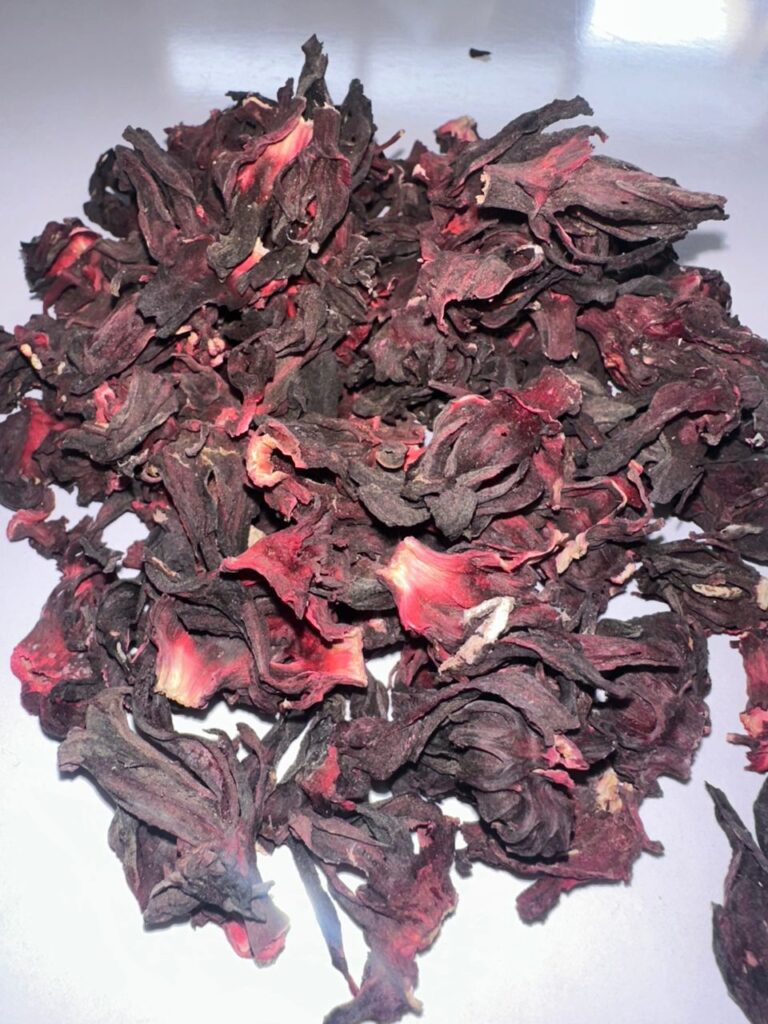
In international trade, the most valuable agricultural products are those that behave predictably. Hibiscus flower (Hibiscus sabdariffa) has gained global relevance because it offers stability, transparency, and efficiency from cultivation through delivery.
Quality Shaped by Process, Not Complexity
The commercial strength of hibiscus depends on disciplined handling rather than intensive processing. After harvest, the calyces are dried to preserve their structure and core properties. This approach maintains uniformity while minimizing intervention, allowing buyers to assess quality clearly and consistently.
Meeting Modern Ingredient Standards
As markets move toward cleaner and more accountable sourcing, hibiscus fits naturally into evolving standards. Its plant-based origin and minimal treatment support regulatory compliance and consumer expectations without requiring reformulation or artificial enhancement.
Logistics That Support Trade Confidence
Dried hibiscus is well suited to long-distance movement. It tolerates extended storage, adapts to standard packaging, and remains easy to inspect. These features reduce trade friction and make contractual performance more predictable for exporters and importers.
Production Regions and Supply Reliability
Stable supply is supported by producing regions that combine suitable climate conditions with improving agricultural practices. Nigeria has increasingly aligned hibiscus production with export requirements, reinforcing its role as a dependable source in global markets.
An Ingredient With Structural Demand
Hibiscus maintains demand because it solves practical problems in formulation and sourcing. Its usefulness spans industries and regions, helping stabilize trade volumes over time.
Conclusion
Hibiscus flower stands as a clear example of how disciplined agriculture and thoughtful handling can create lasting value in global trade. Its success is rooted not in trends or heavy processing, but in consistency, transparency, and natural performance. From cultivation to export, hibiscus aligns smoothly with modern sourcing expectations, offering buyers confidence and producers stability.
As industries continue to prioritize natural ingredients, efficient logistics, and reliable supply relationships, hibiscus remains well positioned to meet these demands. Its ability to perform across multiple sectors, adapt to international standards, and maintain quality over time ensures its relevance far into the future. In a market shaped by efficiency and trust, hibiscus flower continues to prove itself as a dependable and strategic agricultural commodity.