
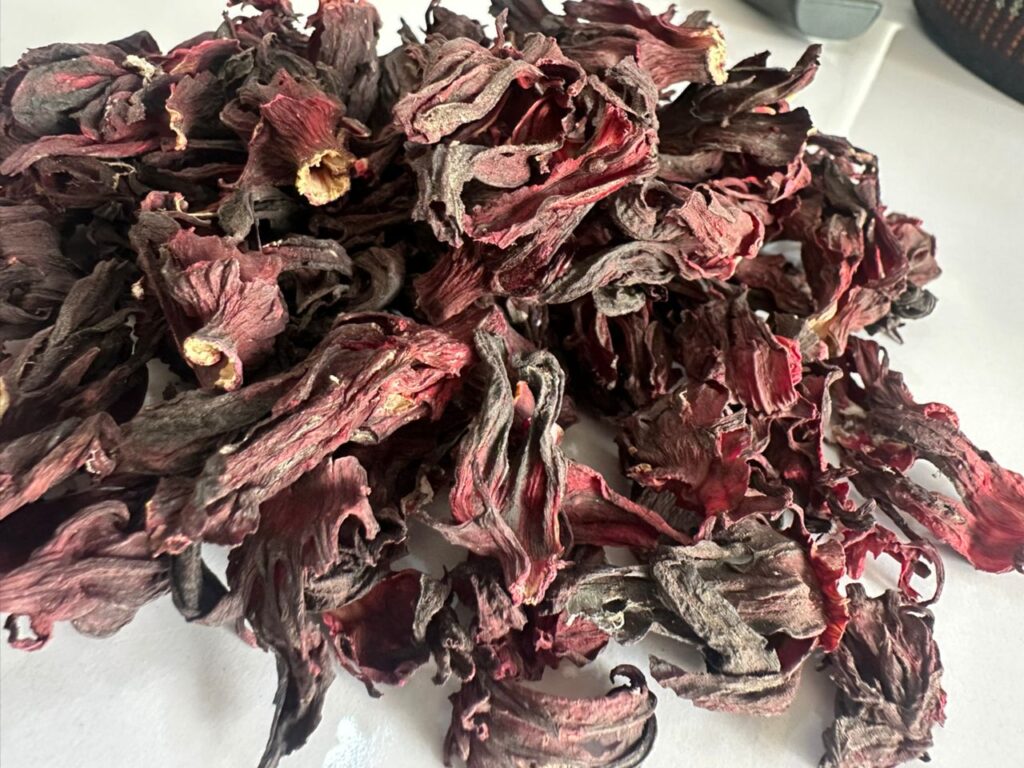
Hibiscus flower (Hibiscus sabdariffa) holds a unique position in global trade because it delivers value without complexity. In an era where manufacturers and consumers alike are moving toward natural inputs, hibiscus stands out as a product that performs efficiently in its natural form.
Its intense red pigmentation provides a natural alternative to artificial colorants. Its clean, tart profile replaces synthetic flavor enhancers. Its botanical origin aligns with growing regulatory and consumer demand for plant-based ingredients. These combined qualities make hibiscus a functional ingredient rather than a decorative one.
Naturally Efficient by Design
Unlike many agricultural products that require extensive processing to meet industrial standards, hibiscus retains its usability after proper drying and sorting. This low-intervention requirement reduces production costs, shortens supply chains, and preserves the integrity of the raw material.
Once stabilized, dried hibiscus calyces are easy to store, transport, and integrate into manufacturing processes, making them suitable for both small-scale producers and large industrial buyers.
Consistency Builds Confidence
Commercial buyers value predictability. High-quality hibiscus offers consistent color release, flavor strength, and performance across batches when sourced responsibly. This reliability allows manufacturers to scale production without sacrificing product quality or reformulation costs.
A Rational Response to Market Demand
The increasing use of hibiscus is not driven by novelty. It reflects a broader market shift toward ingredients that reduce formulation complexity while enhancing product appeal. Hibiscus fulfills multiple functional roles at once, helping businesses streamline operations and meet clean-label expectations.
Strategic Supply Origins
Countries with favorable climates and established export practices play a critical role in sustaining market trust. Nigeria, in particular, has emerged as a dependable source of premium hibiscus due to improved harvesting, drying, and quality control standards that meet international requirements.
More Than a Crop
Hibiscus flower is not simply an agricultural commodity. It is a practical solution for modern production systems efficient to handle, versatile in use, and stable in demand.
Conclusion
Hibiscus does not succeed because it is traditional or trendy.
It succeeds because it works.