
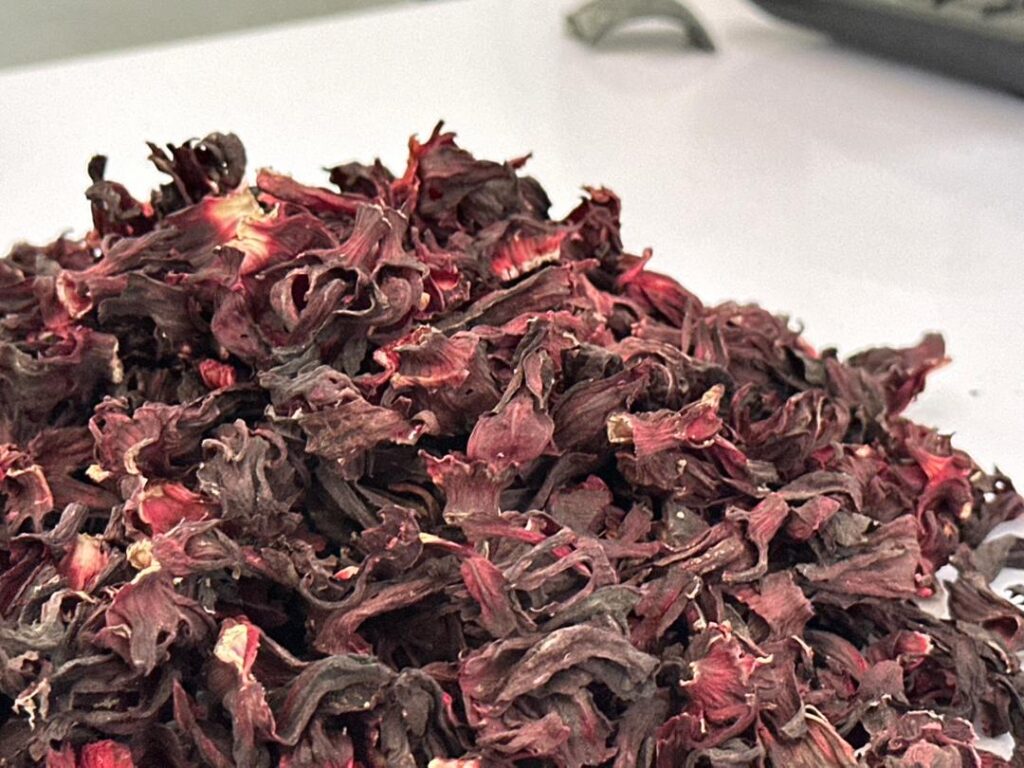
Hibiscus flower (Hibiscus sabdariffa) has become a reliable natural commodity in international trade because it delivers stability at multiple levels production, handling, and demand. Its value is shaped less by branding and more by how smoothly it functions within global supply systems.
Efficiency at the Production Stage
Hibiscus cultivation follows a predictable cycle and does not require complex inputs. Once harvested, the calyces are dried to preserve their natural qualities and reduce moisture. This process concentrates the usable material and converts the crop into a trade-ready product with extended usability.
Logistics That Favor Scalability
Dried hibiscus offers clear logistical advantages. It is lightweight, compact, and resistant to spoilage, allowing exporters to ship large volumes without specialized storage conditions. These characteristics reduce transportation risk and support scalable international distribution.
Functional Demand Across Industries
Hibiscus is valued by manufacturers for its practical contribution rather than novelty. It provides natural acidity, deep coloration, and botanical character, making it suitable for beverages, food ingredients, herbal formulations, and natural personal care products.
Demand Driven by Habit, Not Hype
Unlike trend-based ingredients, hibiscus benefits from steady consumption patterns in multiple regions. Daily use in some cultures and consistent industrial demand in others create a strong foundation for long-term trade and predictable sourcing.
Supply Anchored in Producing Regions
Countries with favorable climates are essential to global supply continuity. Nigeria has established itself as a dependable origin by combining suitable growing conditions with improving post-harvest standards. Careful drying, grading, and packaging help meet international buyer expectations.
Why Hibiscus Remains Economically Relevant
Hibiscus continues to perform in global markets because it is:
- Naturally preserved through drying
- Easy to manage across logistics chains
- Compatible with clean-label production
- Supported by durable international demand
Final Outlook
Hibiscus flower demonstrates how agricultural simplicity can support economic resilience. Its ability to move efficiently from farm to factory makes it a lasting and practical commodity in the evolving global natural products market.