
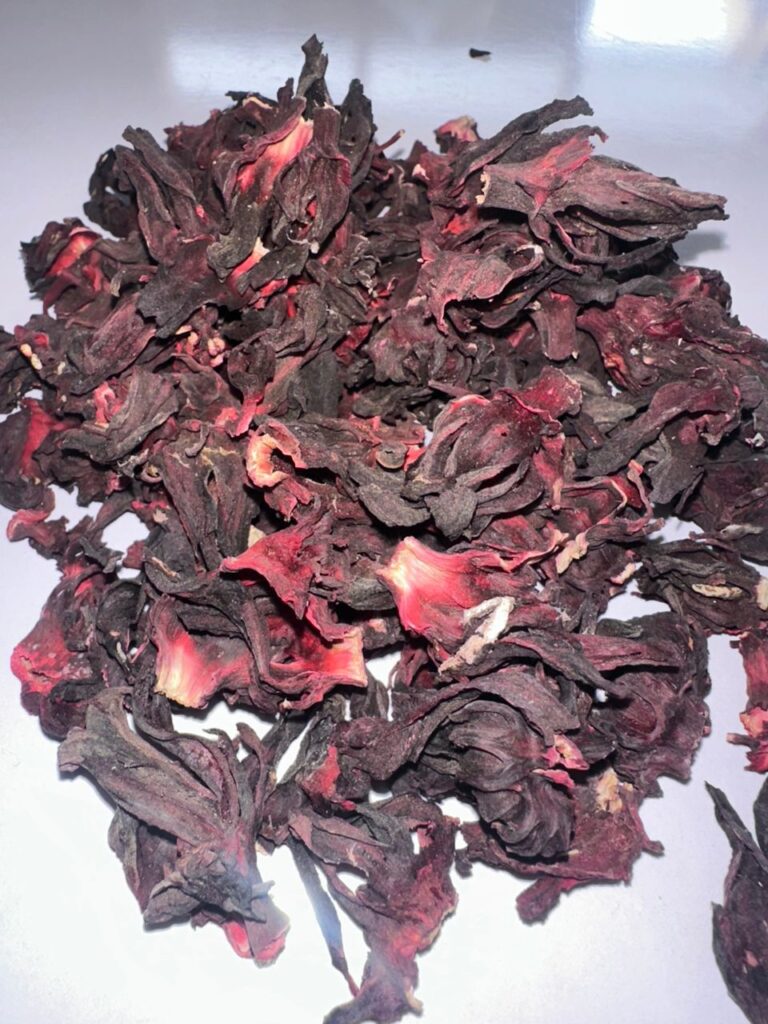
Hibiscus flower (Hibiscus sabdariffa) continues to gain importance in global markets because it aligns with long-term commercial logic rather than short-term trends. Its strength lies in efficiency, durability, and the ability to meet modern industry needs without heavy processing or artificial enhancement.
From Seasonal Crop to Trade-Ready Material
Once harvested, hibiscus calyces undergo careful drying that removes moisture while preserving essential properties. This single step transforms a seasonal crop into a stable raw material that can be traded year-round. The result is a product that fits easily into global supply systems with minimal handling risk.
An Ingredient That Simplifies Production
Hibiscus offers practical advantages to manufacturers. Its natural acidity contributes to flavor structure, while its pigment supports natural coloration. Because it performs multiple functions at once, it reduces formulation complexity and supports clean-label product development.
Markets Supported by Daily Use
Global demand for hibiscus is reinforced by habitual consumption in some regions and consistent industrial use in others. This combination creates a dependable market foundation that encourages long-term supplier and buyer relationships rather than speculative trade.
Supply Strength From Agricultural Origins
Regions with suitable climates form the backbone of hibiscus supply. Nigeria has become an important contributor by combining favorable growing conditions with improved export practices. Attention to drying accuracy, hygiene, and grading ensures the product meets international expectations.
Why Hibiscus Fits Future-Focused Sourcing
Hibiscus remains commercially relevant because it is:
- Naturally shelf-stable
- Easy to transport and store
- Adaptable across food, beverage, and wellness sectors
- Supported by consistent global demand
Closing Reflection
Hibiscus flower proves that commercial success in natural products does not require complexity. Its reliability, efficiency, and functional value position it as a smart agricultural input for industries planning beyond the short term.