
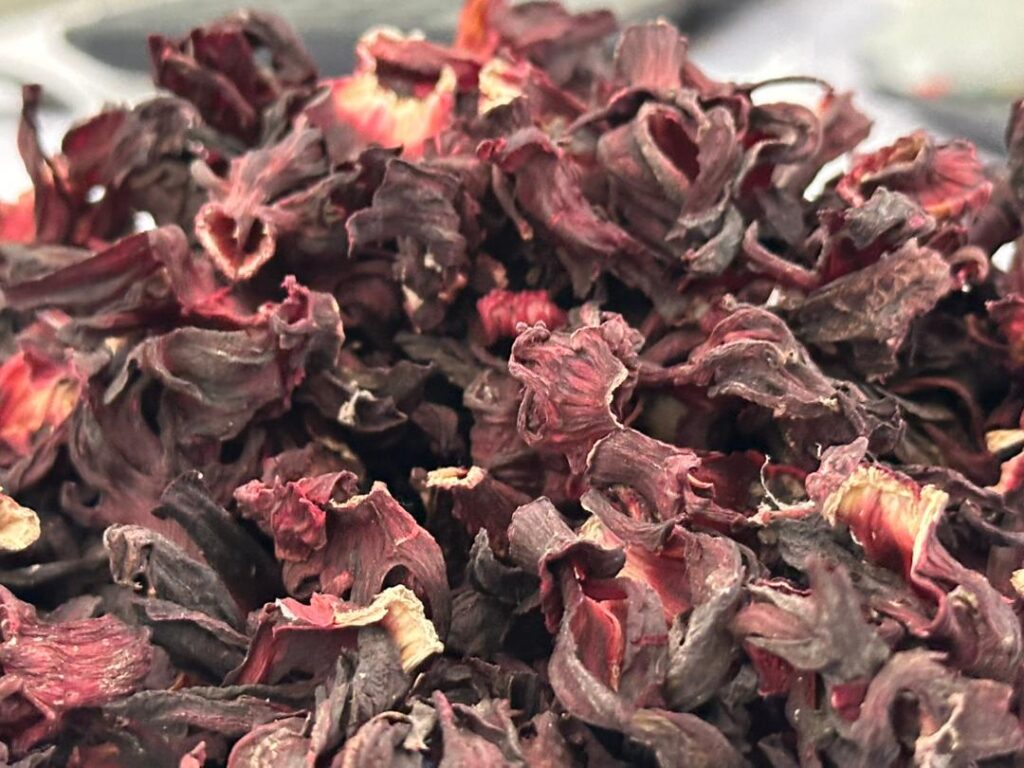
Hibiscus roselle (Hibiscus sabdariffa) is a unique tropical plant increasingly recognized for its commercial, nutritional, and industrial importance. Best known for its bright red calyces, hibiscus roselle plays a vital role in global supply chains serving the food, beverage, wellness, and natural ingredient industries. As international markets continue to favor natural and plant-based products, the relevance of hibiscus roselle continues to grow.
Origin and Botanical Profile
Hibiscus roselle belongs to the Malvaceae family and thrives in warm climates with adequate sunlight and well-drained soils. The plant matures within a short growing cycle, making it suitable for seasonal farming systems. Its red calyces, harvested after flowering, are the most commercially valuable part and are carefully dried for long-term storage and export.
Across different regions, hibiscus roselle is known by various local names, reflecting its widespread cultural use and long history in traditional diets and beverages.
Natural Composition and Market Appeal
Hibiscus roselle is valued for its naturally occurring compounds that contribute to its color, flavor, and functional properties. Its deep red pigmentation comes from plant-based compounds that are widely used as natural alternatives to synthetic colorants. The flower’s sharp, refreshing taste enhances its appeal in beverage and food formulations.
These natural characteristics make hibiscus roselle especially attractive to manufacturers seeking authentic, clean-label ingredients.
Commercial Uses of Hibiscus Roselle
Beverages and Food Products
Hibiscus roselle is a key ingredient in:
- Herbal and specialty teas
- Concentrated drinks and syrups
- Natural juices and flavored beverages
- Traditional and modern food recipes
Its ability to deliver both color and flavor naturally adds strong value to consumer products.
Wellness and Botanical Products
The flower is widely incorporated into:
- Herbal tea blends
- Plant-based wellness formulations
- Functional beverage products
Its long-standing use in traditional wellness practices has strengthened its acceptance in modern markets.
Natural Ingredients and Industrial Uses
Beyond food and drinks, hibiscus roselle is also used in:
- Natural cosmetic formulations
- Botanical extracts
- Fiber production from plant stems
This wide usability increases its economic significance.
Quality Standards and Processing
International buyers place strong emphasis on quality. Premium hibiscus roselle is characterized by:
- Bright, uniform red calyces
- Proper drying to maintain shelf life
- Low moisture levels
- Clean sorting and careful packaging
Attention to post-harvest handling directly affects market value and buyer confidence.
Global Trade and Export Outlook
Demand for hibiscus roselle is steadily increasing in Europe, Asia, the Middle East, and North America. This growth is driven by consumer interest in herbal beverages, natural flavors, and plant-based wellness products.
Nigeria is among the leading producers and exporters of hibiscus roselle, offering competitive quality and reliable supply when proper standards are applied. The crop contributes significantly to agricultural exports and rural income generation.
Why Hibiscus Roselle Matters in Today’s Market
- Strong global demand and diverse applications
- Natural, plant-based, and sustainable appeal
- Suitable for value-added processing
- Supports agricultural trade and export growth
Conclusion
Hibiscus roselle stands out as a naturally distinctive crop with broad commercial relevance. Its versatility, market demand, and alignment with global trends toward natural ingredients make it a valuable product for farmers, exporters, and manufacturers alike. As international markets continue to evolve, hibiscus roselle remains a dependable and high-potential agricultural commodity connecting nature with global opportunity.