
- Introduction
- What Wholesale Buyers Should Know About Dried Hibiscus Flowers
- Selecting a Suitable Wholesale Supplier
- Why Product Consistency Matters in Wholesale Trade
- Proper Storage for Dried Hibiscus Flowers
- Packaging Options for Bulk Orders
- Sourcing Wholesale Hibiscus Flowers from Nigeria
- Understanding the Costs of Wholesale Purchasing
- How to Prepare a Wholesale Order
- Conclusion
Introduction
Wholesale trading of dried hibiscus flowers creates opportunities for agricultural distributors, tea companies, beverage manufacturers, and food ingredient businesses. As an ingredient used in herbal infusions and selected food applications, dried hibiscus calyces are purchased in different quantities according to the needs of commercial buyers.
For importers planning to purchase in bulk, choosing the right supplier involves evaluating product specifications, packaging, storage conditions, and shipment arrangements. A well-organized sourcing process helps buyers establish clear expectations before committing to a commercial order.
What Wholesale Buyers Should Know About Dried Hibiscus Flowers
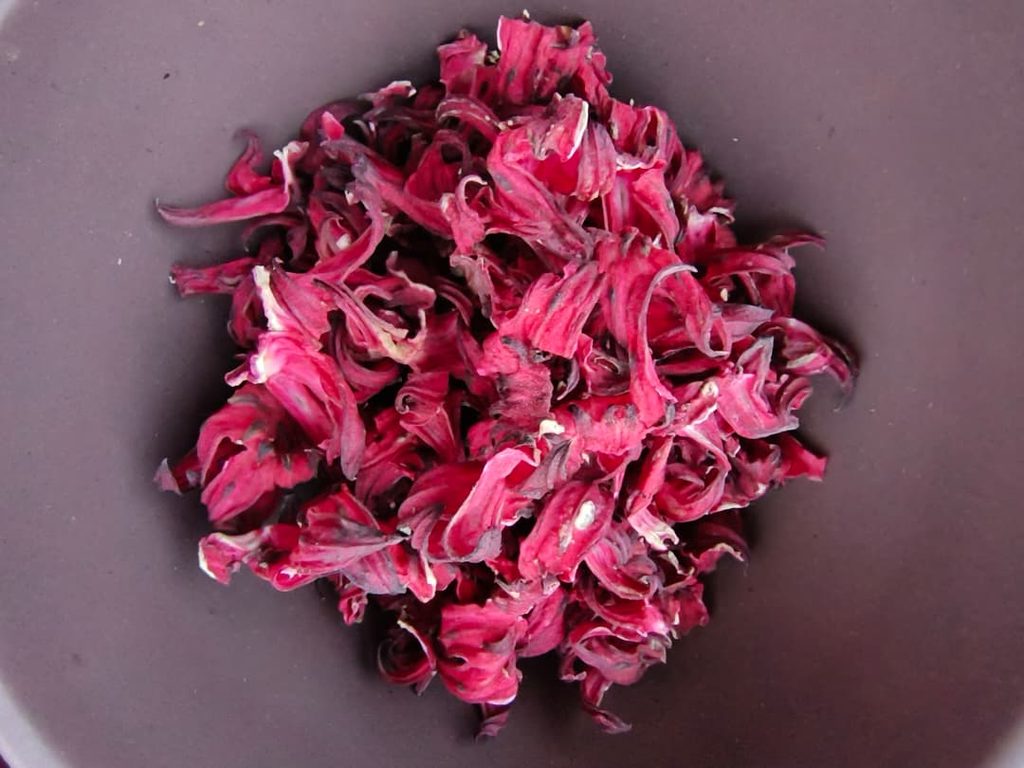
Dried hibiscus flowers commonly refer to the dried calyces of Hibiscus sabdariffa. They are recognized for their red colour and tart flavor and are used in herbal tea, traditional beverages, and selected manufacturing applications.
Wholesale buyers may require whole calyces or cut-and-sifted material. The preferred form depends on the intended application, processing equipment, and final product.
Before requesting a quotation, buyers should determine the required product form, quantity, grade, packaging, and destination. These details help suppliers prepare a quotation that reflects the actual order requirements.
Selecting a Suitable Wholesale Supplier
A suitable supplier should be able to explain the product being offered and provide clear commercial information.
When evaluating a supplier, consider:
- Product specifications: Confirm botanical identity, product form, moisture limits, and foreign matter requirements.
- Available quantity: Establish whether the supplier can fulfill the required order volume.
- Quality information: Request samples and relevant inspection or laboratory reports where appropriate.
- Packaging arrangements: Confirm package weights, materials, and protection during transit.
- Export capability: Clarify available documentation and shipment responsibilities.
- Commercial transparency: Review pricing, payment conditions, delivery terms, and quotation validity.
Business verification and clear written agreements are particularly important when entering a new international trading relationship.
Why Product Consistency Matters in Wholesale Trade
Businesses purchasing hibiscus flowers regularly often need consistent material for blending, repackaging, or manufacturing.
Variations in colour, moisture, particle size, and cleanliness may affect production processes and the appearance of the finished product. Buyers should therefore establish measurable specifications rather than relying solely on descriptions such as Grade A.
For recurring purchases, an approved sample and a written specification can help both parties understand the expected product characteristics. Any testing or inspection requirements should be agreed upon before shipment.
Proper Storage for Dried Hibiscus Flowers
Storage conditions influence the condition of dried botanical ingredients. Hibiscus flowers should be kept in clean, dry, well-ventilated surroundings and protected from excessive humidity, pests, direct contamination, and water exposure.
Packages should be handled carefully and kept away from sources of moisture. Warehouses should follow appropriate hygiene and pest-control procedures, while stock rotation helps businesses manage inventory effectively.
Buyers should also establish suitable storage conditions at the destination before ordering large quantities. This is especially important for businesses that intend to hold stock for distribution over an extended period.
Packaging Options for Bulk Orders
Wholesale hibiscus flowers can be prepared in bulk packaging according to the supplier’s capabilities and the buyer’s requirements.
Suitable options may include sacks with appropriate inner liners or other packaging formats designed to protect the product during handling and transport. Packaging materials should be suitable for the intended use and comply with applicable requirements.
Before dispatch, the buyer and supplier should agree on:
- Net weight per package.
- Total quantity and number of packages.
- Packaging material and liner specifications.
- Container loading arrangements.
- Shipping marks and labeling, where required.
Clear packaging instructions help reduce confusion during loading, transportation, and receipt of the goods.
Sourcing Wholesale Hibiscus Flowers from Nigeria
Nigeria offers opportunities for sourcing dried hibiscus flowers for wholesale distribution and international trade. Buyers considering Nigerian-origin products should evaluate the supplier’s available stock, product specifications, packaging arrangements, and ability to fulfill the agreed order.
The commercial quotation should clearly state the product description, grade, quantity, price, currency, Intercom, payment terms, and expected shipment schedule.
Depending on the destination market, importers may also need to confirm requirements for food safety, pesticide residues, microbiological quality, phytosanitary documentation, and other import formalities before shipment.
Understanding the Costs of Wholesale Purchasing
The lowest quoted price does not always represent the lowest overall purchasing cost. Buyers should consider the product price alongside packaging, inland transport, freight, insurance where applicable, customs duties, inspection costs, and destination handling charges.
The allocation of transport and insurance responsibilities depends on the agreed Intercom. Buyers should ensure that quotations are compared on a consistent basis and that all additional charges are understood before confirming an order.
A complete cost assessment helps businesses evaluate the commercial suitability of a shipment and plan their distribution margins.
How to Prepare a Wholesale Order
A straightforward purchasing process begins with a clear request for quotation.
Buyers should provide the required product form, quantity, quality specifications, packaging preference, destination port, preferred Intercom, and documentation requirements.
Once the quotation is received, both parties should confirm the final specifications, payment schedule, shipment arrangements, and inspection procedures in writing. Any changes should be documented before dispatch.
This approach supports clearer communication and helps prevent disagreements over product quality, quantity, or delivery responsibilities.
Conclusion
Wholesale dried hibiscus flowers can serve a range of businesses, from herbal tea distributors to beverage manufacturers and agricultural ingredient traders. Successful bulk purchasing depends on choosing suitable product specifications, maintaining appropriate storage conditions, selecting protective packaging, and understanding the full cost of importing.
For businesses sourcing dried hibiscus flowers from Nigeria, clear quotations and documented agreements provide a practical starting point for evaluating suppliers and establishing long-term commercial relationships.