
- Introduction
- What Are Dried Hibiscus Calyces?
- Commercial Applications of Dried Hibiscus
- What Determines the Suitability of Hibiscus Calyces?
- Nigeria's Role in Hibiscus Sourcing
- Packaging and Logistics for Bulk Purchases
- How International Buyers Can Source with Confidence
- Frequently Asked Questions
- Conclusion
Introduction
Dried hibiscus calyces are an important botanical ingredient used in herbal beverages, tea blends, and selected food applications. Recognized for their deep red appearance and naturally tart flavor, they offer opportunities for businesses involved in ingredient sourcing, beverage production, and agricultural distribution.
For importers and manufacturers, understanding the commercial potential of dried hibiscus calyces begins with identifying suitable applications, evaluating product specifications, and selecting a supplier capable of meeting agreed purchasing requirements.
What Are Dried Hibiscus Calyces?
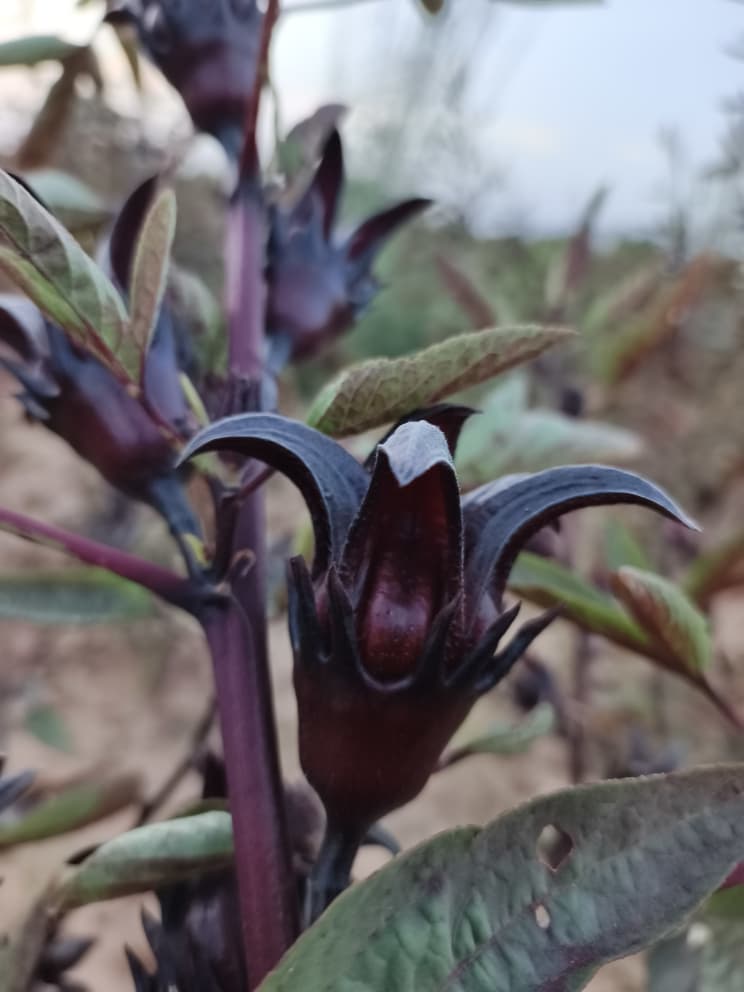
Hibiscus sabdariffa is a plant cultivated for its fleshy calyces, the structures surrounding the developing fruit. These calyces are commonly harvested and dried for use in beverages and other products.
Although they are often called dried hibiscus flowers in commercial trade, the material used for many hibiscus infusions consists primarily of the dried calyces rather than the flower petals themselves.
Understanding this distinction helps buyers communicate accurately with suppliers and specify the correct botanical material for their intended application.
Commercial Applications of Dried Hibiscus
Herbal Tea and Infusions
One of the best-known applications of dried hibiscus calyces is herbal tea. The dried material produces a red infusion with a refreshing, tart flavor. Tea businesses may sell it as a standalone infusion or combine it with other botanical to develop distinctive blends.
Beverage Manufacturing
Hibiscus can be used in selected hot and cold beverage formulations. Manufacturers may explore its flavor and natural colour characteristics when developing drinks for different consumer preferences.
The suitability of the ingredient depends on the formulation, processing method, food safety requirements, and regulations applicable to the finished product.
Food Ingredient Development
Food businesses may incorporate hibiscus into selected recipes and product formulations where its flavor and appearance are appropriate. Before commercial use, manufacturers should verify ingredient suitability, processing requirements, and applicable labeling rules.
Wholesale and Distribution
Agricultural commodity traders and ingredient distributors may purchase dried hibiscus calyces in bulk for resale to tea brands, beverage companies, processors, and other commercial customers.
For these buyers, consistent specifications, appropriate packaging, and dependable communication are important considerations when evaluating a potential supply relationship.
What Determines the Suitability of Hibiscus Calyces?
The right product depends on the buyer’s application and technical requirements. Important considerations include the following.
Colour and appearance: Buyers may specify an acceptable colour range and physical condition based on their intended use.
Moisture content: An agreed moisture limit helps establish expectations for storage and handling.
Cleanliness: Foreign matter should remain within the specified tolerance.
Product form: Whole calyces and cut-and-sifted material may suit different processing requirements.
Food safety: Microbiological criteria and chemical contaminant limits should reflect the destination market and intended application.
Packaging: The selected packaging should protect the product from moisture and contamination during storage and transportation.
Written specifications and representative samples help buyers assess whether the product meets their needs before placing a commercial order.
Nigeria’s Role in Hibiscus Sourcing
Nigeria provides opportunities for sourcing dried hibiscus products for domestic and international trade. Businesses considering Nigerian-origin calyces should evaluate suppliers according to product availability, quality specifications, packaging capabilities, and export arrangements.
Importers should request the botanical identification, product grade, moisture specification, foreign matter limits, available quantity, and relevant supporting documents.
Where particular certifications or laboratory tests are required, buyers should verify their availability rather than relying on general product descriptions.
Packaging and Logistics for Bulk Purchases
Bulk shipments require coordination between product preparation, packaging, transport, and documentation. Packaging options should be agreed upon according to the order size, product requirements, and destination market.
Before dispatch, buyers and suppliers should confirm the net weight per package, total shipment quantity, packaging material, loading arrangements, and shipping marks where required.
The commercial quotation should clearly state the applicable Intercom, loading port or destination where relevant, currency, payment terms, and expected shipment schedule.
These details help both parties understand their responsibilities and plan the transaction more effectively.
How International Buyers Can Source with Confidence
A structured purchasing process helps importers assess suppliers and reduce avoidable misunderstandings.
Before confirming an order, buyers should:
- Define the intended application and required product form.
- Establish written quality specifications.
- Request a representative sample when appropriate.
- Review the quotation and confirm the delivery terms.
- Verify the required export and import documentation.
- Agree on inspection arrangements and procedures for handling discrepancies.
For larger orders, independent inspection or laboratory analysis may provide additional assurance, depending on the buyer’s requirements.
Frequently Asked Questions
Are dried hibiscus flowers and dried hibiscus calyces the same product?
The terms are often used interchangeably in commercial trade. However, the material commonly sold for hibiscus tea consists of the dried calyces of Hibiscus sabdariffa.
Can dried hibiscus calyces be purchased in bulk?
Yes. Bulk purchasing arrangements depend on the supplier’s available quantities, packaging options, and minimum order requirements.
What documents may be needed for export?
Requirements vary by destination and shipment. Documents may include a commercial invoice, packing list, certificate of origin, phytosanitary certificate where applicable, and other required declarations or reports.
What should buyers check before purchasing?
Buyers should confirm botanical identity, product form, moisture content, cleanliness, food safety requirements, packaging, price, delivery terms, and documentation.
Conclusion
Dried hibiscus calyces offer commercial opportunities across herbal tea production, beverage manufacturing, food ingredient development, and wholesale distribution. Their suitability for each application depends on the buyer’s specifications and the quality of the material supplied.
For businesses sourcing from Nigeria, a clear product specification, transparent quotation, appropriate packaging, and verified export requirements provide a strong foundation for informed purchasing decisions and professional international trade.