
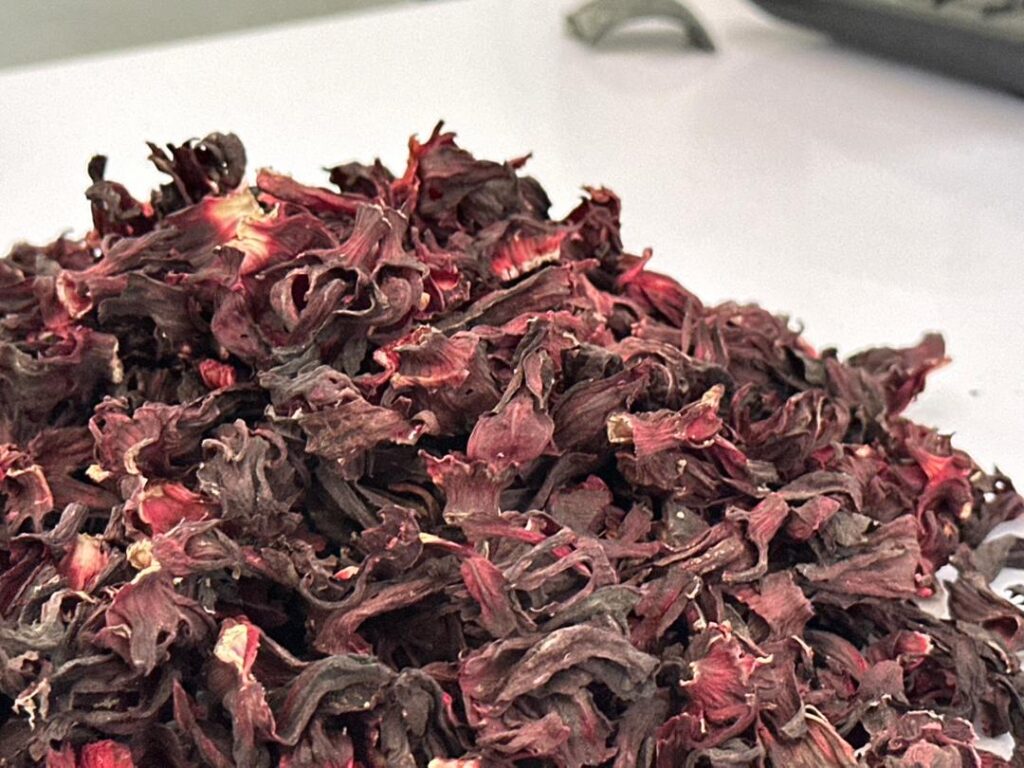
Hibiscus flower (Hibiscus sabdariffa) has quietly earned its place in global commerce through efficiency rather than promotion. From cultivation to export, the plant fits naturally into modern distribution systems that favor durability, simplicity, and consistent output.
Growing With Purpose
Hibiscus thrives in warm environments and requires straightforward farm management. Its predictable growth cycle allows farmers to plan harvests with confidence. When calyces reach maturity, they are separated and prepared for drying an essential step that transforms the fresh plant into a trade-ready commodity.
Drying as the Turning Point
The drying stage defines the quality of hibiscus. Proper moisture control preserves the flower’s structure, color depth, and natural acidity. Once dried, hibiscus becomes resistant to spoilage, making it suitable for storage and shipment without specialized conditions.
A Product That Fits Production Lines
Manufacturers value hibiscus because it adapts easily to industrial use. It blends well into beverages, food bases, botanical mixes, and natural formulations. Its natural attributes reduce processing steps and support cleaner ingredient lists.
Trade Supported by Practical Demand
Hibiscus demand is driven by everyday use rather than seasonal trends. This creates steady purchasing patterns across regions and industries. Buyers rely on hibiscus as a repeat-use ingredient, strengthening long-term trade relationships.
Export Supply From Key Origins
Producing countries with stable climates are central to supply continuity. Nigeria has become a notable origin due to its farming experience and growing attention to export handling. Consistent grading and packaging support acceptance in international markets.
Why Hibiscus Endures
Hibiscus continues to succeed because it is:
- Naturally resilient
- Easy to scale and distribute
- Compatible with natural product standards
- Supported by ongoing global demand
Closing Thought
Hibiscus flower is not defined by complexity. Its strength lies in how smoothly it moves from farm to factory, making it a practical and enduring component of global agricultural trade.