
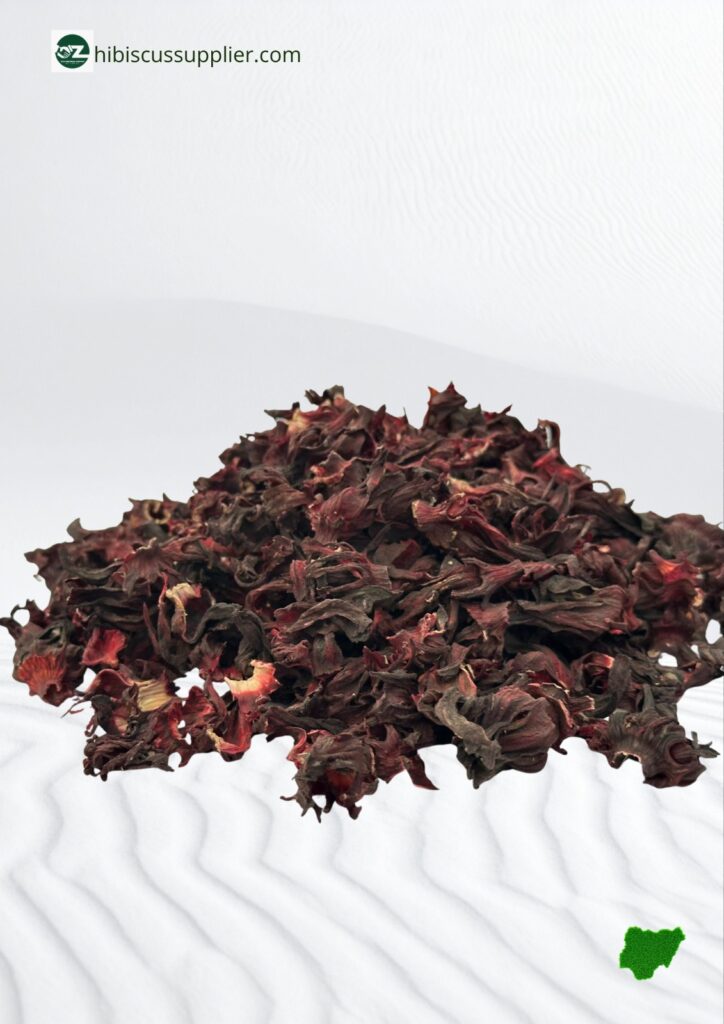
Hibiscus sabdariffa has become an essential natural ingredient in international commerce, valued not only for its traditional appeal but also for its modern industrial relevance. With its deep crimson calyces and naturally sharp taste, hibiscus offers both functional and aesthetic benefits to manufacturers seeking plant-based materials that perform well across diverse applications.
The journey of hibiscus from farm to market begins with careful cultivation in warm climates. At maturity, the calyces are harvested and dried to lock in quality, color, and stability. This transformation into a dried product gives hibiscus a long shelf life and makes it suitable for bulk handling, storage, and global distribution. Its durability during transport is one of the key reasons it remains competitive in international trade.
Across industries, hibiscus is appreciated for its flexibility. Beverage producers use it to create herbal teas, infused drinks, and natural concentrates. Food manufacturers rely on hibiscus to enhance flavor balance and visual appeal in sauces, confectionery, and specialty foods. In the wellness sector, hibiscus supports plant-based and botanical product lines, while cosmetic brands integrate it into natural skincare and haircare formulations.
Market demand for hibiscus is spread across regions with different consumption patterns. In some countries, it is part of everyday diets; in others, it is positioned as a premium botanical ingredient. This wide range of uses helps maintain steady global demand and supports long-term trade growth.
Nigeria and other producing countries contribute significantly to the global supply of hibiscus sabdariffa. Favorable growing conditions and skilled agricultural practices allow suppliers to meet international quality expectations. As a result, hibiscus from these regions continues to serve global markets reliably.
In a world increasingly focused on natural sourcing and sustainability, hibiscus sabdariffa remains a dependable ingredient. Its balance of tradition, functionality, and market adaptability ensures its continued importance in global supply chains.