
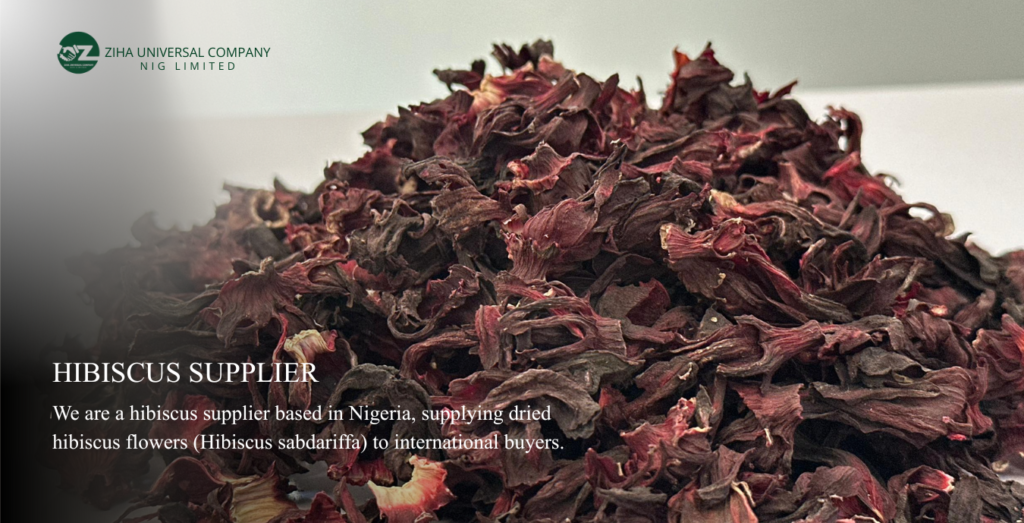
Hibiscus flower (Hibiscus sabdariffa) is steadily gaining recognition as a high-value natural ingredient in global trade. Once known mainly for traditional drinks, hibiscus has evolved into a strategic agricultural product used by modern industries that prioritize natural sourcing, sustainability, and product efficiency. Its vibrant red color, refreshing natural acidity, and plant-based origin make it especially attractive in today’s competitive international markets.
The hibiscus plant thrives in tropical and semi-tropical climates, where it is cultivated primarily for its calyces. After harvesting, these calyces are carefully separated and dried using controlled methods to protect their color strength, aroma, and shelf stability. Proper drying is a critical step, as it ensures the hibiscus maintains its quality over time and remains suitable for storage, transportation, and large-scale commercial use. This natural stability gives hibiscus a strong advantage as an export commodity.
Across industries, hibiscus plays a versatile role. In the food and beverage sector, it is widely used in herbal teas, natural juices, flavored waters, syrups, jams, and specialty food products. Its natural pigment reduces the need for artificial colorants, while its pleasant tartness enhances flavor profiles. In wellness and herbal applications, hibiscus is valued for its antioxidant content and long history of traditional use, making it a popular ingredient in plant-based and functional products.
The cosmetic and personal care industry also benefits from hibiscus. Extracts derived from the flower are incorporated into skincare and haircare formulations that focus on botanical ingredients and clean-label standards. As consumer awareness grows, brands increasingly favor ingredients like hibiscus that align with natural beauty and sustainability values.
From a commercial and operational standpoint, hibiscus offers clear advantages. It requires minimal processing, has a long shelf life when properly handled, and is easy to package and transport in dried form. These qualities help reduce waste, control costs, and ensure consistent supply for buyers and manufacturers. Additionally, hibiscus fits well into global sustainability trends, as it is plant-based, renewable, and widely cultivated by smallholder farmers.
As global markets continue to shift toward natural, sustainable, and multifunctional ingredients, hibiscus flower stands out as a wise agricultural choice. Simple in form yet powerful in application, it remains flexible across industries and dependable in demand making hibiscus a trusted raw material for natural production