
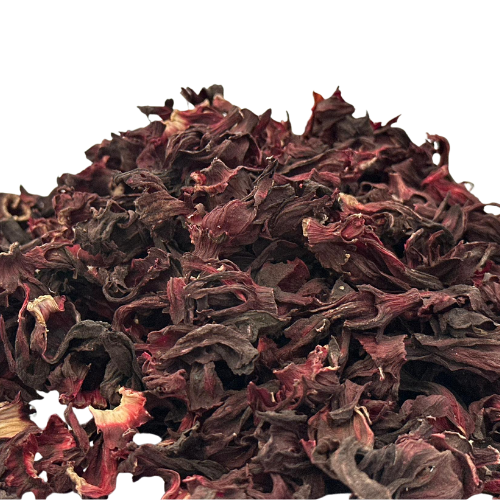
Hibiscus flower (Hibiscus sabdariffa) has secured a strong position in the global natural ingredients economy. Beyond its traditional use as a household drink, hibiscus is now treated as a functional raw material by food producers, wellness brands, and cosmetic manufacturers. Its clean origin, bold sensory profile, and adaptability make it highly attractive in today’s international markets.
A Plant With Commercial Strength
The value of hibiscus lies in its calyces, which are harvested at maturity and dried to preserve their natural qualities. Once dried, hibiscus becomes a shelf-stable product that can be stored for long periods and transported efficiently. This makes it suitable for bulk trade and consistent supply to manufacturers around the world.
How Hibiscus Is Applied in Modern Production
Functional Drinks and Beverages
Hibiscus is widely used in functional teas, infused waters, and drink bases. Its natural acidity delivers flavor balance while its red pigment enhances visual appeal without synthetic coloring.
Food Ingredient Solutions
In food manufacturing, hibiscus is used in fruit preparations, sauces, confectionery, and specialty foods, offering both flavor depth and natural coloring.
Botanical Wellness Products
Hibiscus features prominently in herbal blends and plant-based wellness products designed to meet consumer demand for natural and minimally processed ingredients.
Natural Beauty Formulations
Cosmetic brands use hibiscus as a botanical component in skincare and haircare products, especially in formulations focused on natural sourcing.
Market Flow and Consumption Patterns
Hibiscus consumption follows different patterns across regions. In some markets, it is a daily beverage ingredient; in others, it is positioned as a premium botanical used in value-added products. Demand continues to grow in regions focused on clean-label foods, natural cosmetics, and functional wellness products.
Nigeria’s Importance in Global Supply
Nigeria plays a critical role in the hibiscus supply chain. With suitable climate conditions and skilled producers, the country supplies dried hibiscus known for its strong color, consistent quality, and suitability for industrial use. Nigerian hibiscus supports both traditional markets and modern manufacturing needs.
Why Hibiscus Fits the Future Market
Hibiscus aligns well with global trends because it is:
- Naturally sourced and plant-based
- Multi-purpose across industries
- Stable for storage and international transport
- Supported by long-term global demand
Conclusion
Hibiscus flower represents more than an agricultural product it is a key component of the growing natural ingredients market. Its versatility, reliability, and wide acceptance position hibiscus as a valuable commodity for businesses operating in global trade and manufacturing.